From Athens (Piraeus) to Athens (Piraeus) · Mediterranean · 21 nights
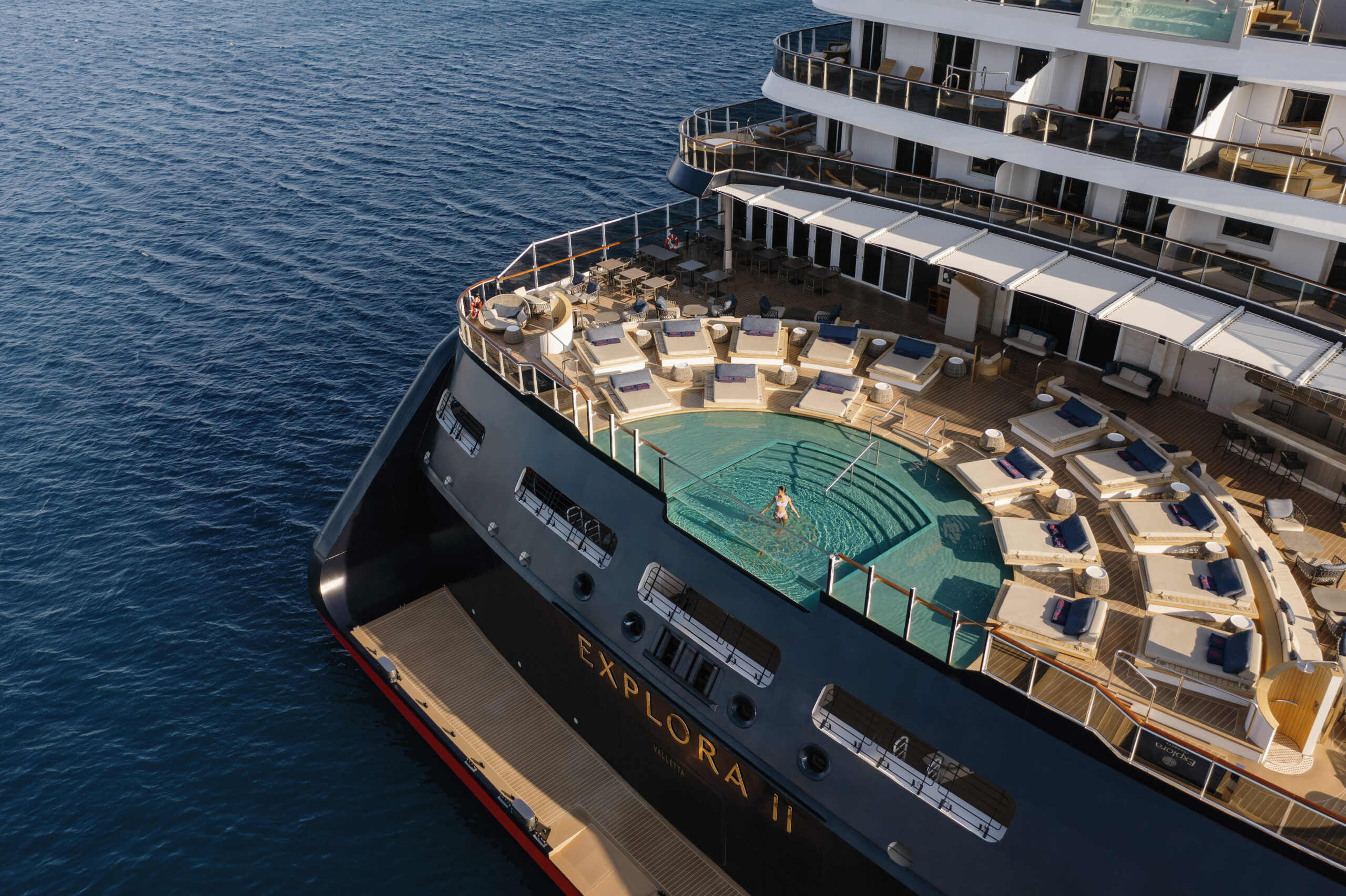
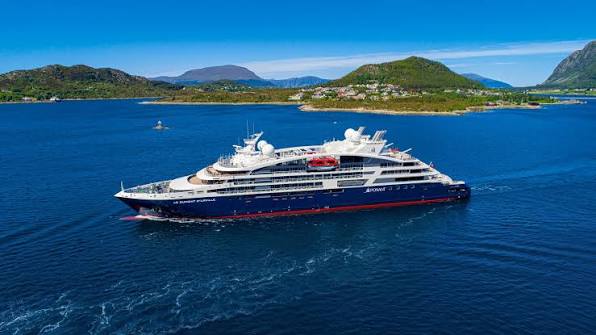
Azamara Journey, Quest, Pursuit and Onward are excellent small ships that offer a welcoming and relaxed club-like atmosphere.
Azamara’s fleet of small ships are focused on providing
destination immersion by spending as much time in port as possible
with itineraries designed to include overnight stays and late
evening departures. Enjoy more time to discover the local culture
and when back on board relax and enjoy a vibrant array of
inclusions.
Athens is a city awash with historical and cultural significance. Towering over the city are the gleaming columns of the Parthenon, surely one of the most iconic sights in the whole of Europe. And yet Athens is much more than an open air museum; this is a dynamic, bustling metropolis, and a place where history is still very much unfolding. For all its faults, the Greek capital possesses an energy and an optimism that are manifest in everything from the burgeoning art scene to the restaurants and bars that continue to pop up on a regular basis.
Alexandria was one of the great cities of antiquity, founded by Alexander the Great in 331 BC and home to the Pharos lighthouse, one of the original Seven Wonders of the World. The Pharos is long gone and the city has lost some of its lustre, but there are still plenty of reminders of Alexandria’s glorious past scattered around.
The buzzing city of Limassol is southern Cyprus’ main port, an important commercial hub that overflows with bars, restaurants and tavernas. It’s also home to a pleasant old town and medieval castle, and serves as an excellent base for exploring the nearby Troodos mountains.
Alanya has a reputation as a brash resort town, but there are still remnants of its fascinating history. This was a key bastion of the Seljuk Turks as they spread west into Anatolia, and you can visit the fortress and walls that they built to defend the city. Other sights include the Kizil Kule, an octagonal 13th-century tower by the harbour.
Antalya is the biggest and busiest city on the Turkish Riviera, though there’s more to this place than just roasting on a beach. The historic Kaleiçi district is full of lovingly restored Ottoman mansions, and top attractions include the superb collection of classical treasures at the Antalya Museum, with pieces from the nearby archaeological sites of Perge and Aspendos.
Sun-kissed Rhodes, the largest of the Dodecanese islands, is steeped in history; the medieval heart of Rhodes Town was once home to the crusading Knights of St John, and later fell to the Ottoman sultan Suleiman the Magnificent. The hillside village of Lindos, with its pretty whitewashed houses, is another highlight.
Kos is the second largest of the Dodecanese Islands after Rhodes, and is best known for its excellent beaches. There are plenty of cultural treasures here too: Kos Town’s harbour is guarded by an impressive castle built by the Knights of St John, and the island is scattered with Greek and Roman ruins.
The charming port of Agios Nikolaos, on the north east coast of Crete, offers a beguiling blend of characterful tavernas, lively bars and designer boutiques. The town is centred around little Lake Voulismeni, and nearby attractions include some lovely beaches and the Minoan ruins at Gournia.
The volcanic island of Santorini (known officially as Thira) is one of the most spectacularly beautiful in the Mediterranean. The pretty village of Oia, with its whitewashed houses and windmills tumbling down the hillside, is particularly photogenic.
Athens is a city awash with historical and cultural significance, but it's much more than an open air museum; this is a dynamic, bustling metropolis, and a place where history is still very much unfolding.
Syros is one of the smallest of the Cyclades islands, though it’s also the administrative capital of the archipelago. Not many cruise ships call here, so you’ll find the beaches are much less crowded than other islands, and the main town, Ermoupoli, is home to a fascinating mix of architectural styles.
The bustling port of Volos sits on the site of the ancient city of Iolkos, the mythological home of Jason and the Argonauts. The modern city has plenty of interesting museums and churches, along with a pleasant waterfront lined with restaurants.
Greece’s bustling second city has a rich history, shaped by Roman, Byzantine and Ottoman rule, and was once home to a large Jewish community. Sadly many of Thessaloniki’s historic buildings were destroyed by a fire in 1917, but the famous White Tower survives, along with the city’s vibrant, multicultural spirit.
The Turkish port of Kusadasi is the gateway to Ephesus, one of the most spectacular archaeological sites in the Eastern Mediterranean. This was the Roman capital of Asia Minor, and the remains constitute the most complete classical city in Europe.
Saint John is said to have written the Book of Revelations in a cave on Patmos, and today the spot is marked by the hillside Monastery of the Apocalypse. As well as spirituality, the island is known for its beaches and upmarket vibe, with a scattering of stylish restaurants and bars.
Paros gleams with a classic Cycladic colour palette of whitewashed houses and blue-domed churches, and is famous for its ancient marble quarries, which provided the raw material for the Venus de Milo. The island is also home to some great restaurants, peaceful inland villages and lovely beaches.
Glamorous Mykonos is the most popular of the Cyclades islands, well known as a haunt of the rich and the famous. It’s also the gateway to the nearby island of Delos, home to one of the most important archaeological sites in Greece.
Athens is a city awash with historical and cultural significance, but it's much more than an open air museum; this is a dynamic, bustling metropolis, and a place where history is still very much unfolding.