
From Giurgiu to Budapest · Europe (River) · 7 nights
From Giurgiu to Budapest
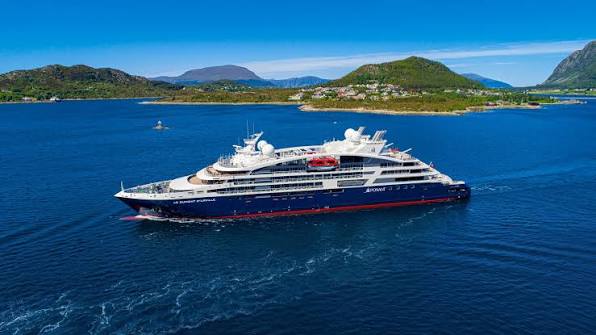
Sister ships AmaBella and AmaVerde offer good sized and beautifully decorated accommodation, along with contemporary public areas with plenty of space to enjoy the views.
AmaBella and AmaVerde offer the perfect home from home for 160
guests, with two lounges and two dining options, including the
intimate Chef’s Table where you can watch the chef prepare your
gastronomic delights.
The river port of Giurgiu is situated just across the Danube from the Bulgarian city of Ruse, and the two cities are linked by a cross-border Friendship Bridge. You're unlikely to spend much time in Giurgiu itself, but the port is the start and end point for river cruises on the lower Danube, and is linked by road and rail to Romania's capital, Bucharest.
The Bulgarian city of Ruse (also written ‘Rousse’) sits on the right bank of the Danube just opposite the Romanian city of Giurgiu, and is one of the country’s most attractive cities. Sometimes known as ‘Little Vienna’, thanks to the plethora of Neo-Baroque and Neo-Rococo architecture, it’s a highlight of any cruise along this stretch of the Danube.
The riverside town of Vidin is situated in the north west corner of Bulgaria, close to the border with Romania and Serbia. The architectural highlight is the magnificently well preserved Baba Vida fortress, and the town is also home to a mosque, a synagogue and several churches.
As the Danube wends its way east, along the border between Serbia and Romania, the river narrows to a dramatic gorge known as the Iron Gates. The river here is flanked by a huge stone carving of Decebalus, the last king of the Dacians and a Romanian national hero.
Belgrade has been invaded and occupied dozens of times over the centuries, a fact that's reflected in the mish-mash of architectural styles, from Ottoman and Art Nouveau to grim relics of the communist era. But Belgrade is also a city with real soul, emerging from a difficult recent history as one of Europe’s most exciting capitals.
Vukovar is one of the great tragedies of the Balkan wars, a once prosperous and elegant city reduced to rubble by fierce fighting between Croats and Serbs. There are green shoots of optimism as the city rebuilds, but the battle-scarred streets are a powerful reminder of the devastating conflicts of the 1990s.
Mohács was the scene of a decisive battle in 1526 that brought Hungary under Ottoman control, but is best known these days for its Busó carnival in February, when men in creepy-looking costumes take to the streets to celebrate the end of winter. The town is also a jumping off point for the attractive city of Pécs, half an hour’s drive away.
Budapest is one of Eastern Europe’s most appealing cities, a vibrant and welcoming capital that straddles the Danube. The history of Budapest has been somewhat turbulent, but plenty of beautiful buildings survive, including the imposing Parliament and iconic St Stephen’s Basilica.