From Colón to Fort-de-France · South America & Antarctica · 10 nights
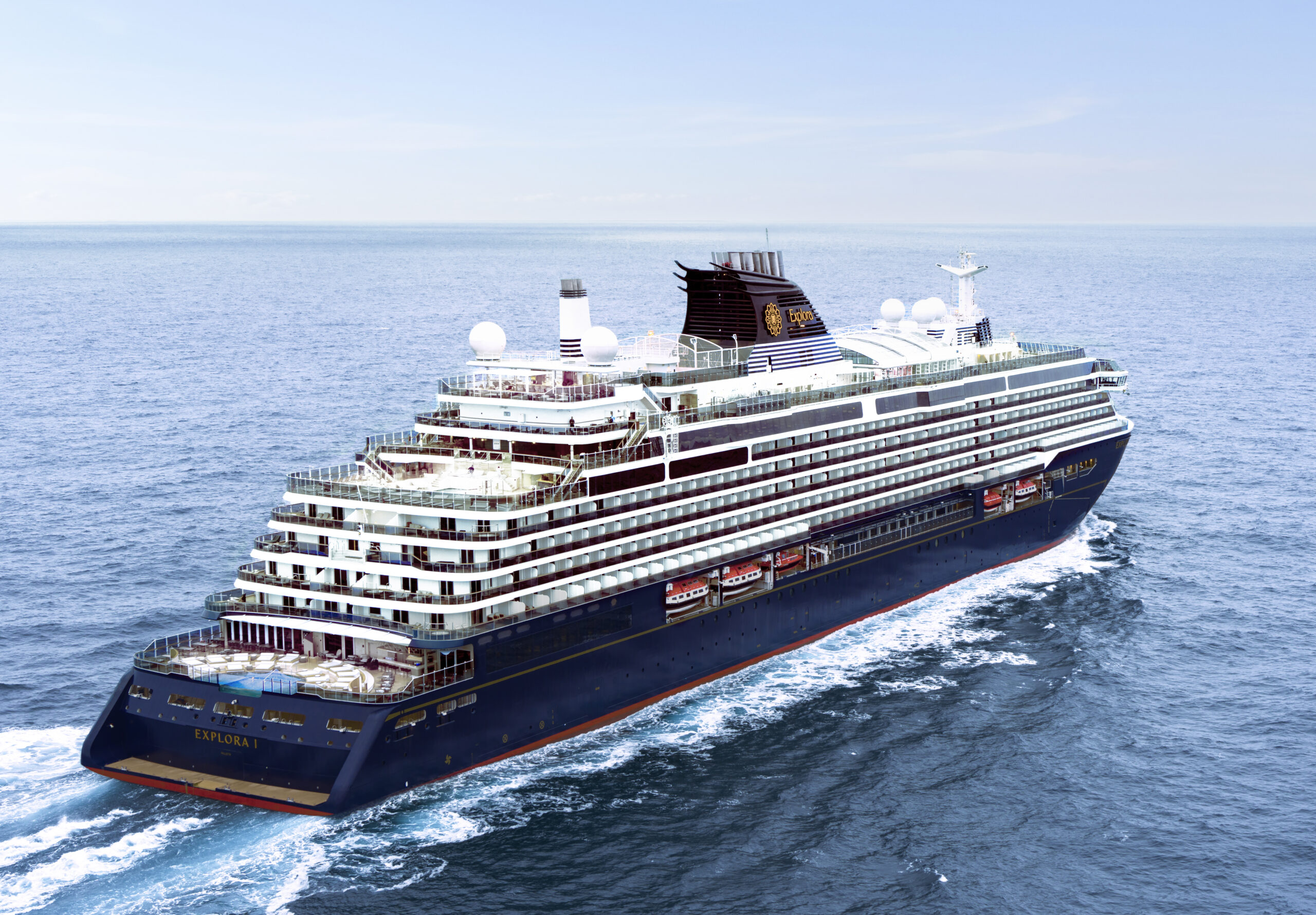
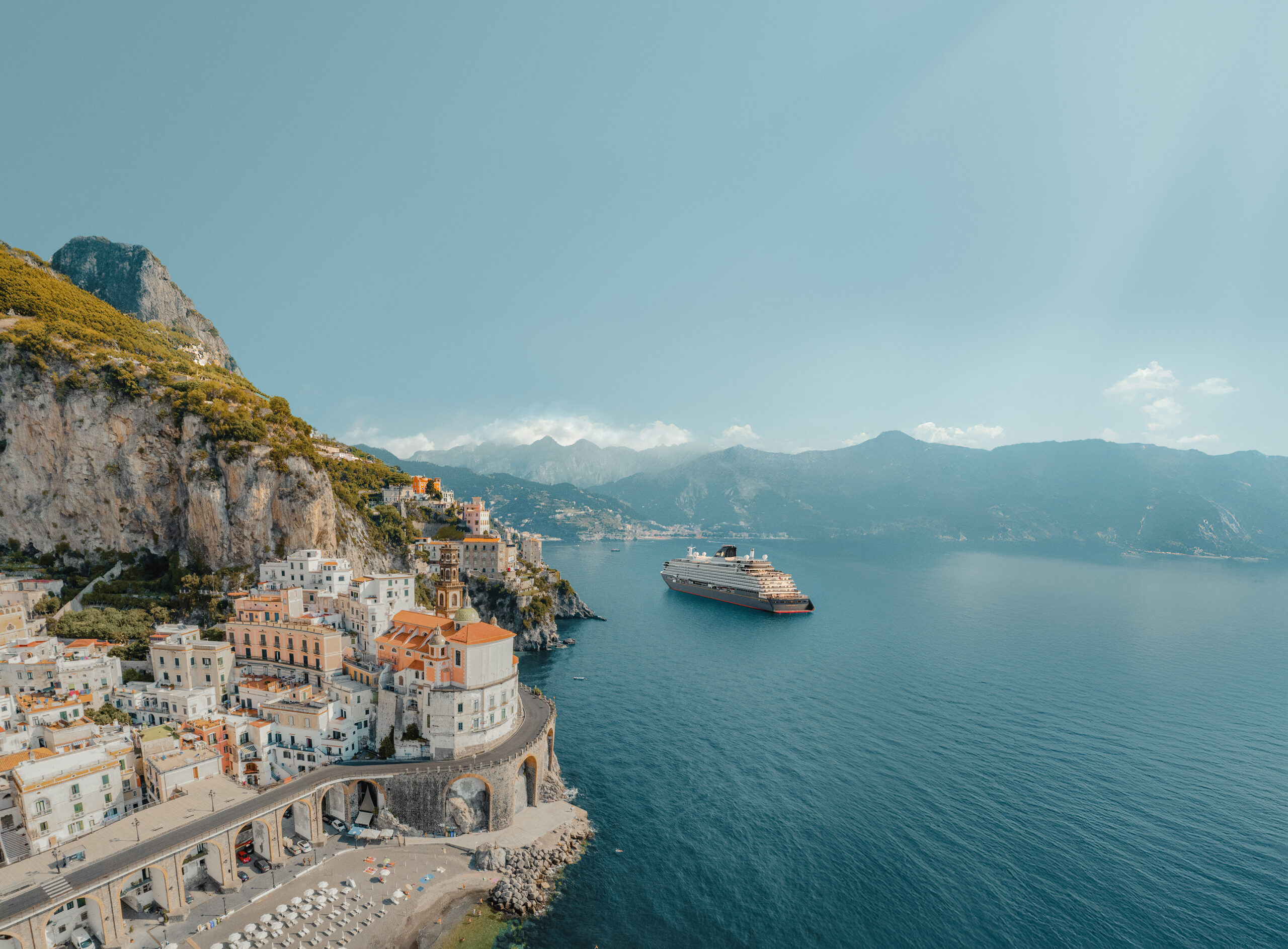
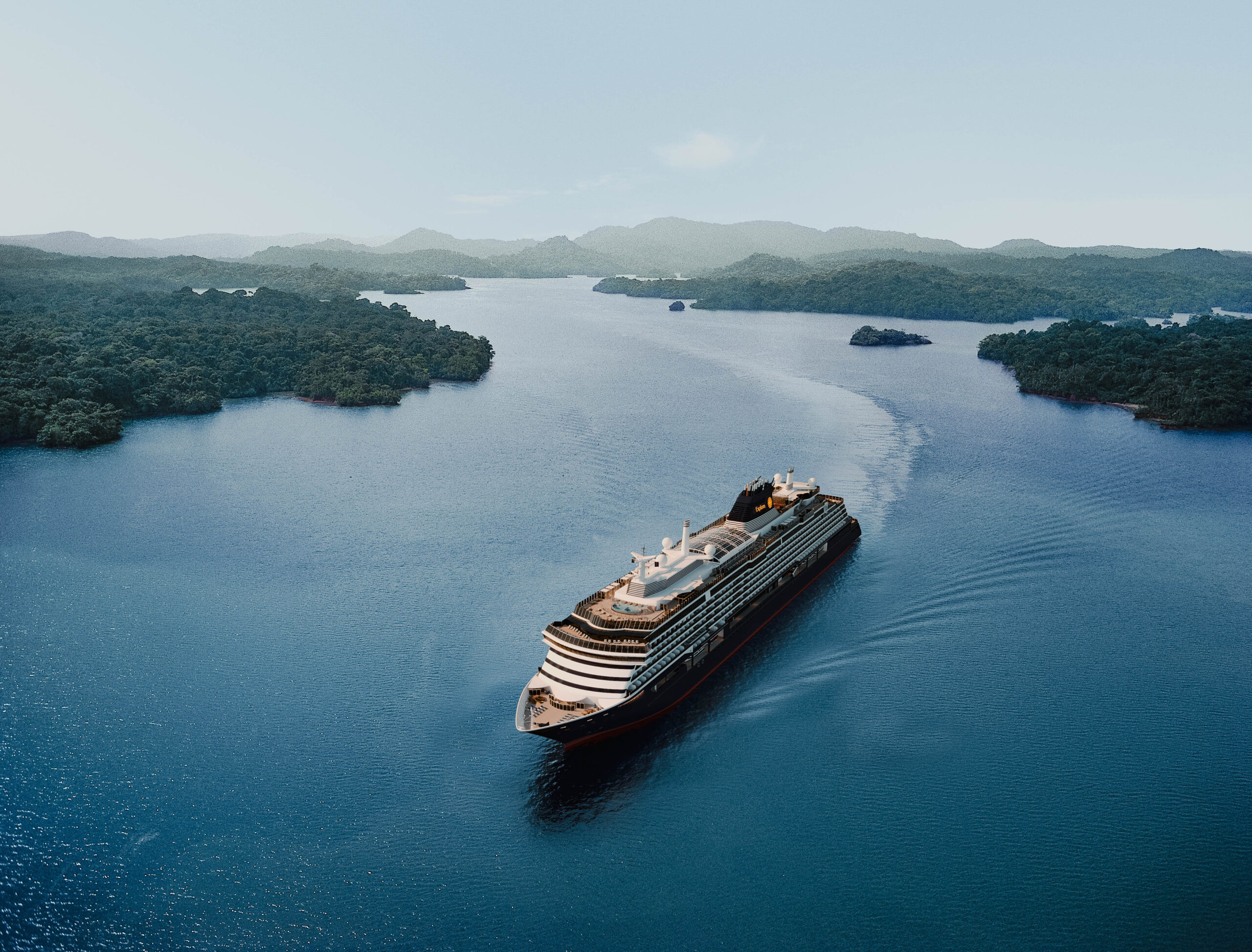
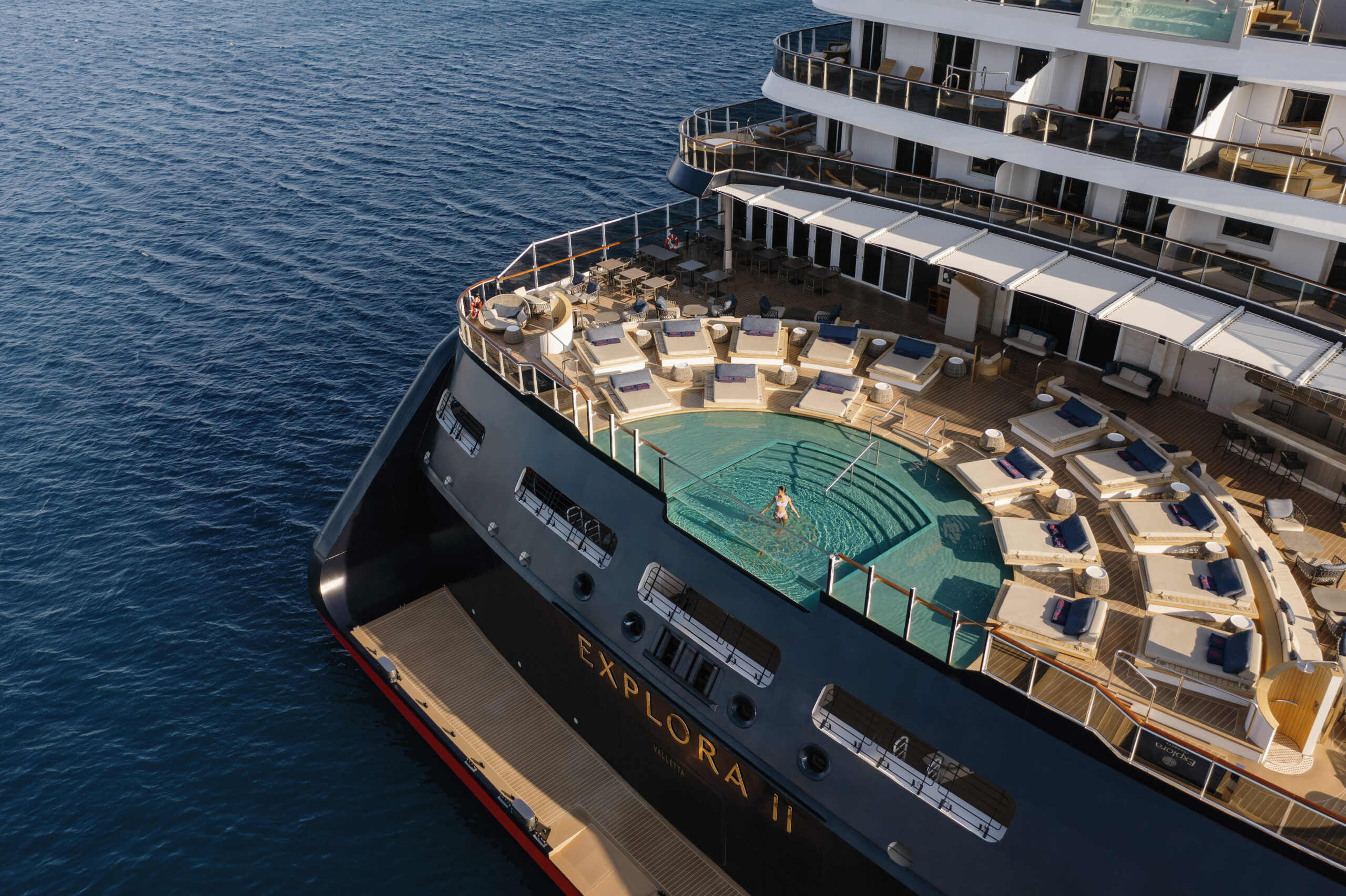
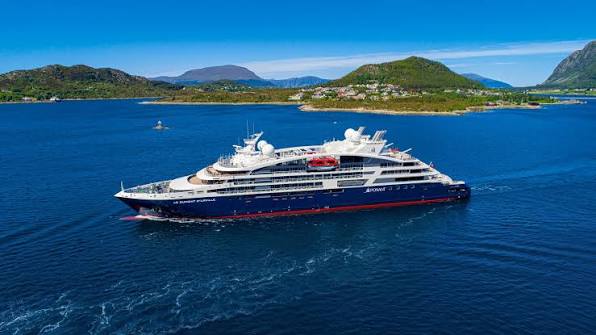
Sleek and stylish, Ponant’s wonderful Explorer yachts blend luxury and intimacy with a discreet elegance and tasteful décor.
Named after six of France’s most famous explorers, Le Champlain,
Le Lapérouse, Le Bougainville, Le Dumont d’Urville, Le Bellot and
Le Jacques Cartier offer exciting and adventurous itineraries in
the utmost comfort. Technologically advanced, with the latest in
environmentally friendly hardware, the new ships embody Ponant’s
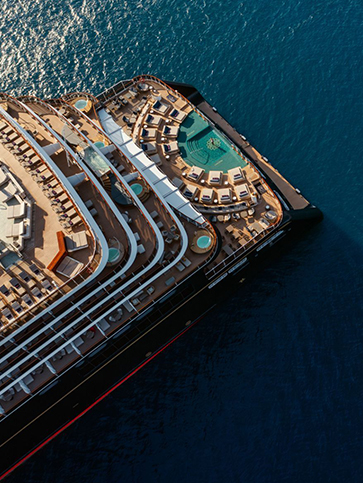
trademark élan and flair, with just 92 spacious rooms and suites, a
stylish pool deck and an intimate, refined onboard ambience.
Situated at the Atlantic entrance to the Panama Canal, Colón takes its name from Christopher Columbus, known in Spanish as Cristóbal Colón, although it's hard to imagine the famous explorer would find much reason to linger here nowadays. Once a thriving port, the city is now in a state of seemingly terminal decline, its colonial architecture crumbling and the modern city beset by social problems. It's not somewhere you will want to hang around for long, and serves merely as a gateway to the Canal, which will carry you to much nicer places.
Situated just off the coast of Panama, the idyllic San Blas islands are home to the Kuna Indians, who enjoy political autonomy from the mainland and have an unusual degree of control over tourism to their homeland. Visiting these simple island communities is a privilege, and an insight into an indigenous way of life unsullied by mass tourism.
Cartagena was founded by Spanish conquistadors in 1533, and the beautifully preserved centre is a real highlight of Colombia’s Caribbean coast. The walled old town, the Ciudad Amurallada, is a camera-friendly collection of cobbled streets and colourful, colonial-era buildings.
Situated on Colombia’s Caribbean coast, Santa Marta is the oldest surviving Spanish colonial city in South America. The modern city lacks some of the charm of nearby Cartagena, but tourism has come on leaps and bounds in recent years, with a number of ambitious regeneration projects and a host of new restaurants and bars.
The quiet, cactus-covered Dutch Caribbean island of Bonaire is internationally renowned for its diving, ringed by spectacular coral reefs that teem with life. The capital, Kralendijk, is home to some pretty colonial architecture, and the island is also known for its flamingos and pink sand beaches.
Accessible only by boat, the five uninhabited islands of the Tobago Cays are surrounded by some of the best reefs for snorkelling anywhere in the Caribbean. The area was declared a protected wildlife reserve in 2006, and the crystal clear waters are home to sponges, sea turtles and a kaleidoscopic array of colourful fish.
Connected to the mainland by a man-made causeway, Pigeon Island is one of Saint Lucia’s most important historical sites. The British admiral George Rodney gave his name to the fort built here in the 18th century to spy on the French in Martinique, as well as the beautiful bay that the fort overlooks.
Soufrière is Saint Lucia’s oldest city, founded by the French in 1746 in the stunning south of the island. Nearby natural wonders include the iconic Piton mountains, the Diamond Botanical Gardens and the world’s only drive-in volcano, where you can soak in the restorative sulphur springs.
Eight tiny islands make up the Iles des Saintes, a sparsely inhabited archipelago off the southern coast of Guadeloupe. The most interesting island is hilly Terre-de-Haut, almost entirely populated by the fair-skinned descendants of Breton sailors and home to a beautiful bay reminiscent of a mini Rio de Janeiro.
The volcanic French Caribbean island of Martinique is a land of contrasts, from the lush rainforests of the north to the busy streets of the capital, Fort-de-France. There are plenty of lovely beaches geared towards relaxation, and the French influence also means that the cuisine is a cut above the usual Caribbean fare.