From Valparaíso to Papeete · Pacific Islands · 22 nights
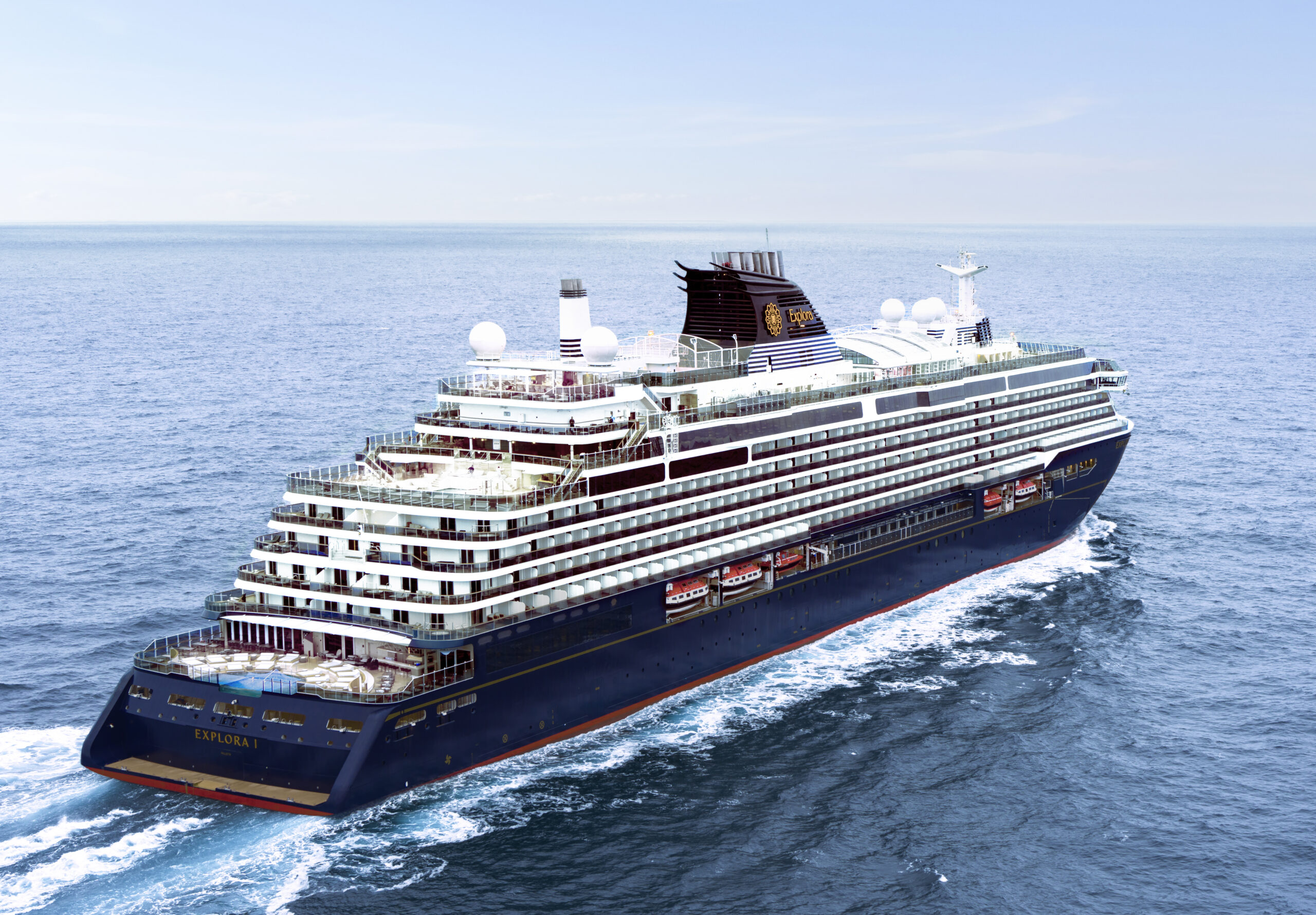
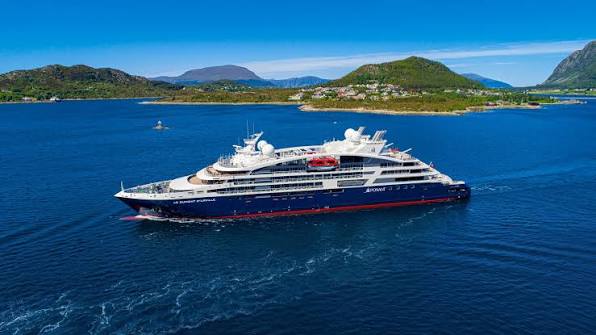
This intimate and popular little ship was the first crossover ship in the fleet, reborn as a stylish expedition ship following an extensive refurbishment in 2017.
The lovely Silver Cloud is now part of Silversea’s Expeditions
fleet, with a reduced capacity, an ice-strengthened hull and 18
zodiacs making this one of the most luxurious expedition ships at
sea.
Characterful, colourful and a little chaotic, the port city of Valparaíso enjoys a somewhat awkward setting, scattered across 45 vertiginous hills. Thanks to this difficult topography the city streets are punctuated by steep staircases and funicular elevators, and energetic explorers will be rewarded with wonderful views of the pastel hued buildings that hug the slopes. Valparaíso's most famous former resident was the great Chilean poet Pablo Neruda, and you can visit one of his former residences, La Sebastiana, which now houses a small museum.
Situated 400 miles off the coast of mainland Chile, Robinson Crusoe Island is part of the Juan Fernández archipelago, a UNESCO World Biosphere Reserve. The sailor Alexander Selkirk was marooned here from 1704 to 1709, and his story is thought to have inspired Daniel Defoe’s famous novel.
The enigmatic moai statues of Rapa Nui (Easter Island) remain one of the world’s most intriguing archaeological mysteries. Descendants of the Polynesian settlers who carved them still live here, though these days the island belongs to Chile, despite being separated from the mainland by over 2,000 miles of Pacific Ocean.
The remote South Pacific island of Pitcairn was settled by a party of British sailors and Tahitians following the famous mutiny on the HMS Bounty in 1789, and their descendants still live on the island. The tiny capital, Adamstown, has a population of around 50 people.
Mangareva is the largest of the Gambier Islands, over 1,000 miles to the south east of Tahiti, and is set on a beautiful lagoon used by the locals to farm black pearls. Don’t miss the 19th-century St Michael’s Cathedral, famous for its intricate altar decorated with mother of pearl shells.
Remote and unspoilt Fatu Hiva is the southernmost of the Marquesas island group, known for its tapa bark paintings and wood carvings. There are just two settlements on the island: the village of Omoa has a church and a small museum, while Hanavave lies on the staggeringly beautiful Bay of Virgins.
Hiva Oa is the last resting place of the artist Paul Gauguin, who spent the final years of his life here, and the Gauguin museum in Atuona documents his time in the South Pacific. This beautiful island is also home to some evocative archaeological sites, including ancient petroglyphs and stone tiki statues.
The Fakarava atoll surrounds a deep lagoon in the west of the Tuamotu island group, scarcely populated and home to a host of rare wildlife. The entire atoll has been declared a UNESCO biosphere reserve, and the shallow coastal waters make for excellent snorkelling.
Mo’orea is one of the real highlights of the South Pacific, a picture perfect landscape of jagged green mountains and dazzling cobalt bays. The warm waters of the lagoon are perfect for a host of watersports, while the lush island interior can be easily explored by scooter or bicycle.
Papeete is the capital of French Polynesia, situated on the northwest coast of Tahiti. The port is not the most magical spot, so we advise venturing forth to luxuriate in the turquoise lagoons, relax on the white sand beaches fringed with palm trees, and explore the rugged mountain peaks.