From Buenos Aires to Miami · South America & Antarctica · 33 nights
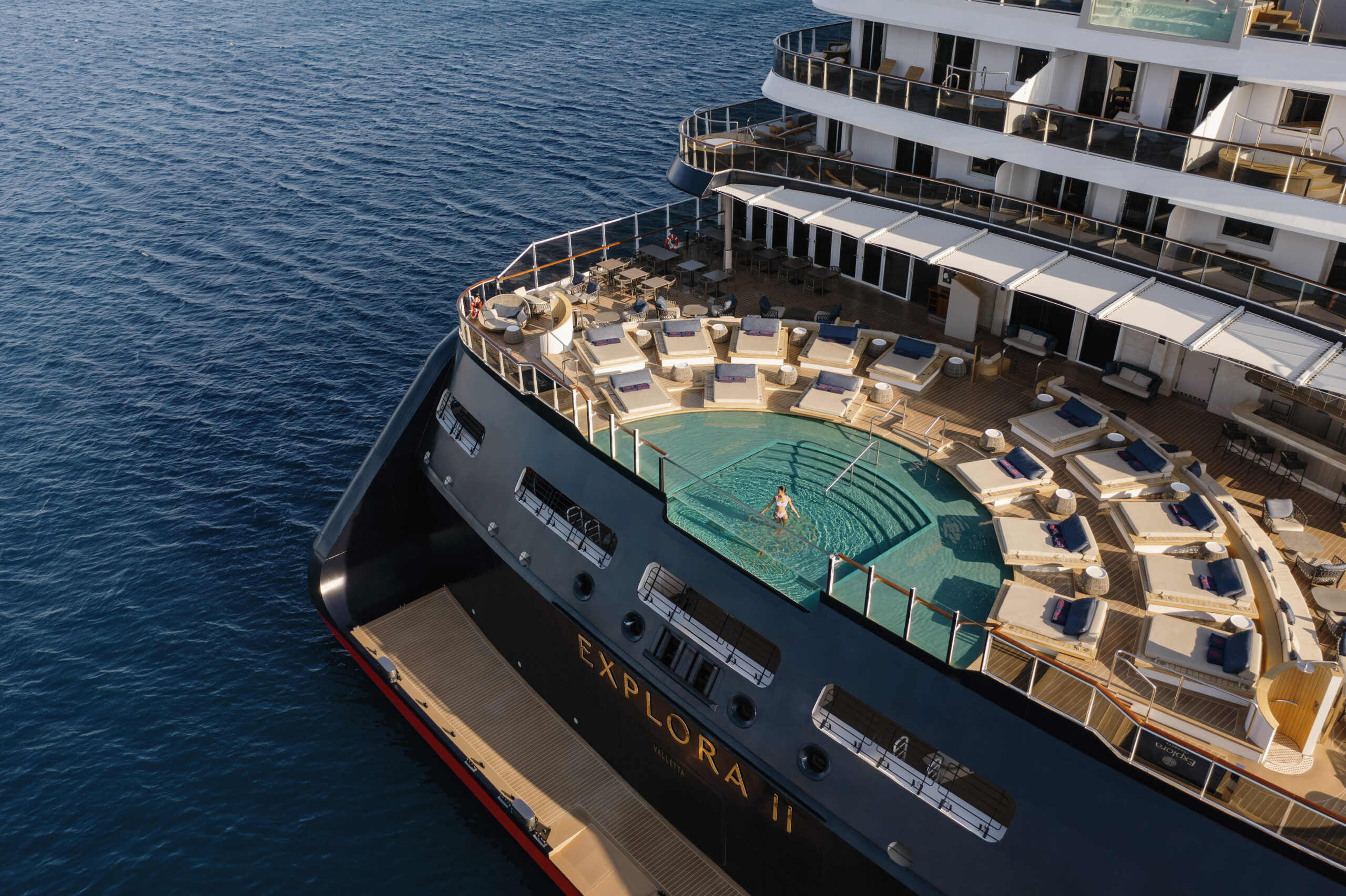
Small enough to operate fascinating port-intensive itineraries, but with the space for dining options, comfortable accommodation and more, sister ships Insignia, Nautica, Regatta and Sirena are for many the perfect size.
These four boutique style sister ships carry just 684 guests
apiece, with a comfortable, relaxed country house style and plenty
of intimate corners. We love the alternative restaurants – Oceania
is rightly renowned for great food – and the pretty little library
up on deck 10.
The streets of Buenos Aires are redolent of a grand old European capital, lined with elegant architecture that wouldn't look out of place in Madrid or Paris. There is also plenty of Latin passion on display: Argentina is the home of tango, that most electrifying of dances, and the central Plaza de Mayo has played host to countless revolutions and rallies over the years. Food is an important part of life here, and carnivores shouldn't pass up the opportunity to try the world's finest beef at one of the many steakhouses, known as parrillas. Other attractions include the beautiful Recoleta cemetery, the grand Teatro Colón and the colourful, arty district of La Boca.
Located just across the Río de la Plata from Buenos Aires, Uruguay’s underrated capital is a cosmopolitan and eclectic mix of colourful colonial architecture and high rise modernity. The 14-mile waterfront promenade, La Rambla, is a popular and pleasant place to be on a summer’s evening.
The upmarket Uruguayan beach resort of Punta del Este is where the A-listers come to party, with a reputation as the Saint Tropez of South America. The town also has an arty side, typified by intriguing sculptures such as the giant concrete fingers emerging from the beach at Playa Brava.
The city of Itajaí is situated in the southern Brazilian state of Santa Catarina, known for its sweeping sandy beaches and lush Atlantic forest. The region also has an intriguing German heritage thanks to the many immigrants who settled here during the 19th and early 20th centuries.
The busy port of Santos is the gateway to cosmopolitan São Paulo, a vast metropolis that is home to some 20 million people, making it the third largest city on earth. The urban sprawl may not be to everyone’s taste, but for fans of big city life there is plenty to see and do, with a lively cultural scene and a host of world class restaurants.
Paraty is a beautiful colonial town to the west of Rio de Janeiro, surrounded by stunning beaches and set against a backdrop of jungle-covered mountains. The cobbled streets are closed off to traffic, which makes wandering amongst the pretty whitewashed buildings all the more enjoyable.
Formerly a leper colony, and later a prison under the military dictatorship, Ilha Grande is now one of Brazil’s most alluring destinations. This idyllic island is fringed by stunning beaches and covered in dense rainforest, with barely any human settlement outside the main town of Vila do Abraão.
Once just a sleepy fishing village on a picturesque peninsula, Búzios was put firmly on the map by Brigitte Bardot, who holidayed here in the 1960s. These days it’s an upmarket beach destination, with a host of luxury hotels, sophisticated restaurants and chic boutiques.
The carnival capital of the world, Rio de Janeiro needs little introduction. We can think of few cities in the world that are able to compete when it comes to location: hugging the beautiful sandy shore and surrounded by jungle-clad islands and mountains, including the iconic Corcovado, the setting for Brazil’s most vibrant city is simply breathtaking.
The laid back riverside village of Alter do Chão is sometimes known as the ‘Caribbean of the Amazon’ thanks to its white sand beaches, clear waters and chilled out vibe. Beyond the beach the main activities are exploring the surrounding rainforest and shopping for local handicrafts.
The tiny village of Boca da Valéria, with its picturesque little church and wooden stilt houses, is home to a remote indigenous community, at the point where the Valéria and Amazon rivers meet. The villagers are used to welcoming cruise ship visitors, but stepping ashore here is still a memorable experience.
Manaus is a remarkable place, a sweltering, steamy city in the heart of the Brazilian rainforest. Situated near the confluence of the Rio Negro and Amazon rivers, surrounded by thick jungle, the city is a major port in spite of its location some 1,000 miles from the sea.
The little island town of Parintins is famous for its annual Boi Bumbá festival, the biggest folk celebration in Brazil after Rio Carnival. Cruise ship visitors are usually met by Bumbá dancers at the port, and it’s a great place to get a feel for everyday life in the Amazon region.
Santarém is situated at the ‘Wedding of the Waters’, where the Amazon and Tapajós rivers meet. A former rubber boom town, the city is now a focus for the controversial soybean industry. Activities on offer nearby include canoeing, wildlife walks and day trips to the laid back town of Alter do Chão.
There’s more to Barbados than just beaches; the delightful architecture of the old garrison in Bridgetown, the capital, is fully deserving of its UNESCO World Heritage status, and the island interior is littered with old sugar plantations and natural wonders such as Harrison’s Cave.
Antigua is famously home to 365 beaches - one for every day of the year - and there is an undeniable allure to the many white sand coves dotted along the coast. The capital, St John's, is worth a look, but if you've got time to visit the south coast you'll find historic Nelson's Dockyard a lot more interesting.
The busiest and most developed of the Virgin Islands, St. Thomas is nevertheless blessed with typically Caribbean good looks. The main town, Charlotte Amalie, is situated on a perfect natural harbour, and in its colonial heyday its warehouses were filled with indigo, tobacco and cotton.
Downtown Miami is a destination in its own right, with a host of world class galleries, but it's still Miami Beach that draws the biggest crowds. The Art Deco district around South Beach is very much back in vogue, with new restaurants, bars and luxury developments sprouting up all over the place.