From San Juan to San Juan · South America & Antarctica · 24 nights
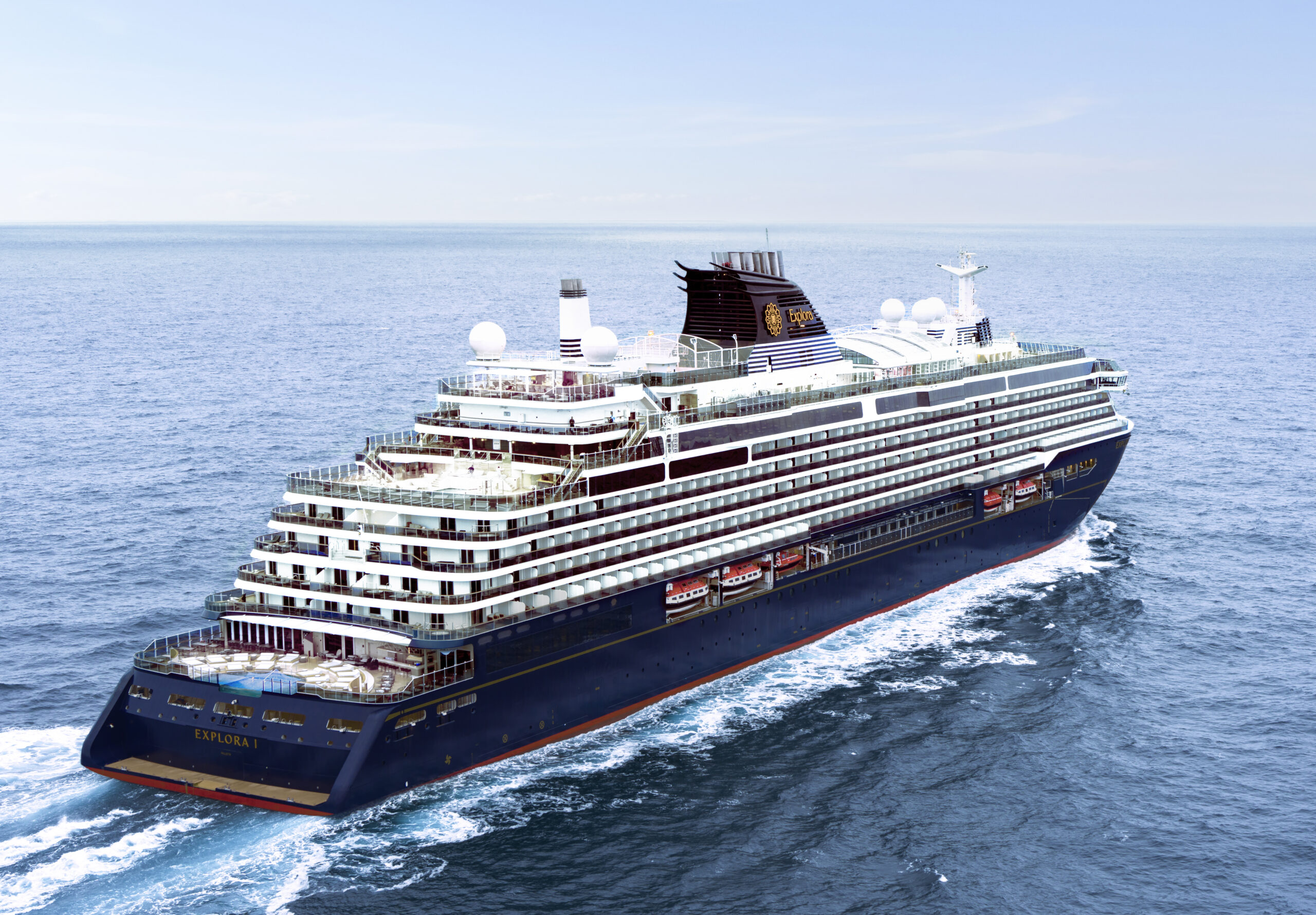
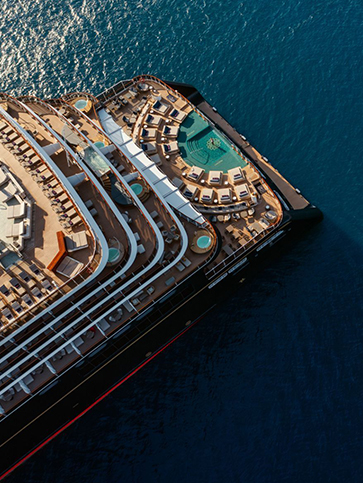
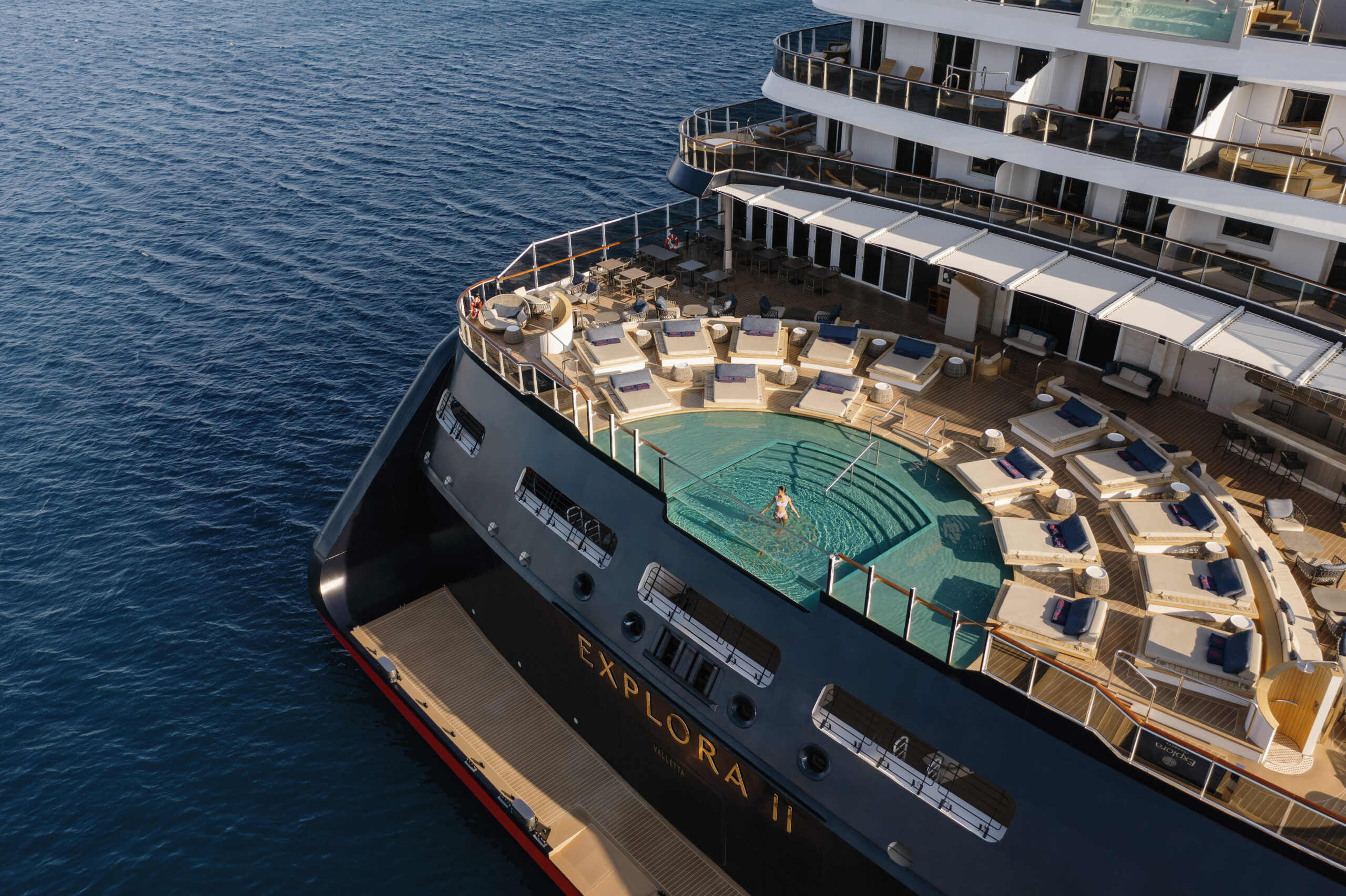
Explora I launched in 2023 with Explora II following in 2024, and these luxury all-inclusive resort-style vessels marked the entrance of new cruise line Explora Journeys into the luxury cruise market.
These identical ships feature spacious accommodation, generous
outdoor areas, a huge choice of restaurants, an attractive guest to
crew ratio of 1.25 to 1, three outdoor pools and a fourth with a
retractable glass roof, these ships really have it all.
Founded by the Spanish in 1521, Puerto Rico's capital is the second oldest European settlement in the Americas. Modern San Juan is a bustling city, home to over a third of the island's population, but the cobbled streets of the Old Town remain the biggest tourist draw. The colonial-era fortifications have been awarded UNESCO World Heritage status, crowned by the imposing waterfront El Morro fortress, and the Old Town is full of attractive, brightly coloured houses. Outside of the Old Town you can find designer shopping on Avenida Ashford, and the north of the city is fringed by beautiful beaches, including fashionable Condado with its hip hotels and bars.
Gustavia is the chic and petite capital of Saint Barths, a tiny French Caribbean island that’s renowned as a haunt of the rich and the famous. You can certainly live well here if you’ve got the means, with an array of gourmet restaurants and luxury boutiques aimed squarely at the A-list. The beautiful beaches, on the other hand, are free and open to all.
There’s more to Barbados than just beaches; the delightful architecture of the old garrison in Bridgetown, the capital, is fully deserving of its UNESCO World Heritage status, and the island interior is littered with old sugar plantations and natural wonders such as Harrison’s Cave.
Trinidad’s main industries are oil and gas rather than tourism, and this is reflected in Port of Spain’s skyscrapers and urban sprawl, quite a contrast with other Caribbean capitals. It's a bustling melting pot famed for its boisterous carnival, but beyond the city limits lies a beautiful island of waterfalls, rainforests and colourful birdlife.
Bisected by the Equator, the city of Macapá commands a strategic position on the northern side of the Amazon estuary, and is the site of an impressive 18th century Portuguese fort. There is also a pleasant riverfront area cooled by ocean breezes, and the surrounding region is rich in birdlife.
Santarém is situated at the ‘Wedding of the Waters’, where the Amazon and Tapajós rivers meet. A former rubber boom town, the city is now a focus for the controversial soybean industry. Activities on offer nearby include canoeing, wildlife walks and day trips to the laid back town of Alter do Chão.
The tiny village of Boca da Valéria, with its picturesque little church and wooden stilt houses, is home to a remote indigenous community, at the point where the Valéria and Amazon rivers meet. The villagers are used to welcoming cruise ship visitors, but stepping ashore here is still a memorable experience.
Manaus is a remarkable place, a sweltering, steamy city in the heart of the Brazilian rainforest. Situated near the confluence of the Rio Negro and Amazon rivers, surrounded by thick jungle, the city is a major port in spite of its location some 1,000 miles from the sea.
The little island town of Parintins is famous for its annual Boi Bumbá festival, the biggest folk celebration in Brazil after Rio Carnival. Cruise ship visitors are usually met by Bumbá dancers at the port, and it’s a great place to get a feel for everyday life in the Amazon region.
The laid back riverside village of Alter do Chão is sometimes known as the ‘Caribbean of the Amazon’ thanks to its white sand beaches, clear waters and chilled out vibe. Beyond the beach the main activities are exploring the surrounding rainforest and shopping for local handicrafts.
Bisected by the Equator, the city of Macapá commands a strategic position on the northern side of the Amazon estuary, and is the site of an impressive 18th century Portuguese fort. There is also a pleasant riverfront area cooled by ocean breezes, and the surrounding region is rich in birdlife.
The Iles de Salut, a trio of islands more popularly known as Devil’s Island, were the site of a French penal colony which gained notoriety thanks to the harsh treatment of inmates. As well as the overgrown ruins of the prison, which closed in 1953, the islands are today also home to a surprisingly rich variety of wildlife.
Bequia is an incredibly friendly, laid-back island blessed with pristine golden sand beaches and some excellent restaurants. It’s also a popular sailing destination; the yachts tend to congregate around Admiralty Bay, where you’ll find the little waterfront town of Port Elizabeth.
There’s more to Barbados than just beaches; the delightful architecture of the old garrison in Bridgetown, the capital, is fully deserving of its UNESCO World Heritage status, and the island interior is littered with old sugar plantations and natural wonders such as Harrison’s Cave.
Castries, Saint Lucia’s diminutive capital, is home to some interesting markets and colonial buildings. The island’s highlights are situated elsewhere, however, and we’d recommend either heading south towards Soufrière, where the iconic Piton mountains guard a beautiful bay, or north to the bars, restaurants and beaches of Rodney Bay.
Gustavia is the chic and petite capital of Saint Barths, a tiny French Caribbean island that’s renowned as a haunt of the rich and the famous. You can certainly live well here if you’ve got the means, with an array of gourmet restaurants and luxury boutiques aimed squarely at the A-list. The beautiful beaches, on the other hand, are free and open to all.
Laid back and low key, Saint Kitts is an island typified by rolling green hills, characterful beach bars and the lingering remnants of the sugar cane trade that once dominated here. Attractions include the UNESCO-listed Brimstone Hill fortress, the 18-mile Scenic Railway and the faded Georgian elegance of the capital, Basseterre.
Founded by the Spanish in 1521, Puerto Rico’s capital is the second oldest European settlement in the Americas. Modern San Juan is a bustling city, home to over a third of the island’s population, but the cobbled streets of the Old Town remain the biggest tourist draw.