From Miami to Miami · South America & Antarctica · 74 nights
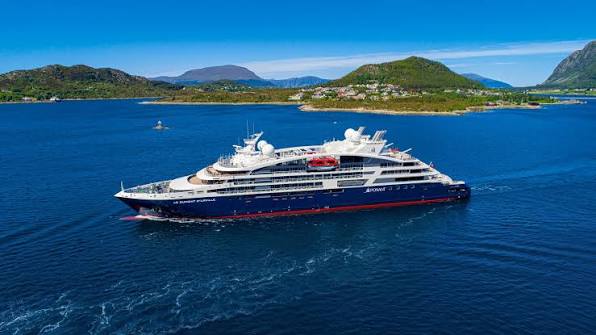
Azamara Journey, Quest, Pursuit and Onward are excellent small ships that offer a welcoming and relaxed club-like atmosphere.
Azamara’s fleet of small ships are focused on providing
destination immersion by spending as much time in port as possible
with itineraries designed to include overnight stays and late
evening departures. Enjoy more time to discover the local culture
and when back on board relax and enjoy a vibrant array of
inclusions.
Miami is a pulsating modern city, a cultural crossroads where Cuban émigrés rub shoulders with affluent New Yorkers topping up on winter sun, and where you're just as likely to hear Spanish or Caribbean patois being spoken as you are English. Downtown Miami is a destination in its own right, with a host of world class galleries including the fantastic MOCA (Museum of Contemporary Art), but it's still Miami Beach that draws the biggest crowds. The Art Deco district around South Beach is very much back in vogue, with new restaurants, bars and luxury developments sprouting up all over the place.
St John is the quietest and least developed of the US Virgin Islands, with two thirds of the island designated as a National Park. There are several hiking trails that showcase the island’s unspoilt natural beauty, and it’s a popular spot for aquatic pursuits including snorkelling, kayaking and scuba diving.
The busiest and most developed of the Virgin Islands, St. Thomas is nevertheless blessed with typically Caribbean good looks. The main town, Charlotte Amalie, is situated on a perfect natural harbour, and in its colonial heyday its warehouses were filled with indigo, tobacco and cotton.
Philipsburg is the gateway to an intriguing little Caribbean island with a dual personality: the Dutch side, St. Maarten, is the livelier of the two, with shopping malls, casinos and more of a nightlife scene, while French-speaking St. Martin is a more refined (and more expensive) affair, with a laid-back, continental air and a host of exclusive resorts and restaurants.
Sleepy, low key and utterly charming, Nevis is a real Caribbean gem. Dominated by the towering Nevis Peak, the island is dotted with former plantation houses that have been turned into characterful hotels. Drop in for lunch or afternoon tea, and if there’s time have a look round the elegantly faded Georgian capital, Charlestown.
Antigua is famously home to 365 beaches - one for every day of the year - and there is an undeniable allure to the many white sand coves dotted along the coast. The capital, St John's, is worth a look, but if you've got time to visit the south coast you'll find historic Nelson's Dockyard a lot more interesting.
Bequia is an incredibly friendly, laid-back island blessed with pristine golden sand beaches and some excellent restaurants. It’s also a popular sailing destination; the yachts tend to congregate around Admiralty Bay, where you’ll find the little waterfront town of Port Elizabeth.
Browse the markets of charming St George’s, fragrant with the scent of cinnamon and nutmeg, and you’ll soon understand why Grenada is known as the ‘isle of spice’. This is one of the Caribbean’s most enchanting islands, fringed by gorgeous beaches and largely unsullied by mass market tourism.
There’s more to Barbados than just beaches; the delightful architecture of the old garrison in Bridgetown, the capital, is fully deserving of its UNESCO World Heritage status, and the island interior is littered with old sugar plantations and natural wonders such as Harrison’s Cave.
Scarborough is the capital of Tobago, a sleepy island where tourism remains mostly low key. The town has a few interesting colonial era sights, but we’d recommend exploring Tobago’s natural treasures instead, including stunning reefs, secluded waterfalls and a rainforest reserve that draws birdwatchers from around the globe.
Belém lies about 60 miles from the Atlantic coast on the Pará river, part of the vast Amazon delta, and the bustling food markets here are piled high with the bountiful produce of the rainforest. As well as a gateway to the Amazon, Belém is an appealing destination in its own right, with an attractive colonial centre and an imposing fortress.
Recife is a big and bustling metropolis on Brazil’s north east coast, with a historic core that has been mostly swallowed up by the urban sprawl. The nearby town of Olinda is a more appealing place to spend your day ashore, with an arty vibe and some lovely colonial architecture.
Colourful Salvador is Brazil’s third biggest city and a vibrant centre for Afro-Brazilian culture, with frequent festivals that fill the streets with music and dancing. The historic core of the old city is the biggest tourist magnet, where elegant, brightly hued colonial buildings line the cobbled streets.
Once just a sleepy fishing village on a picturesque peninsula, Búzios was put firmly on the map by Brigitte Bardot, who holidayed here in the 1960s. These days it’s an upmarket beach destination, with a host of luxury hotels, sophisticated restaurants and chic boutiques.
The carnival capital of the world, Rio de Janeiro needs little introduction. We can think of few cities in the world that are able to compete when it comes to location: hugging the beautiful sandy shore and surrounded by jungle-clad islands and mountains, including the iconic Corcovado, the setting for Brazil’s most vibrant city is simply breathtaking.
Paraty is a beautiful colonial town to the west of Rio de Janeiro, surrounded by stunning beaches and set against a backdrop of jungle-covered mountains. The cobbled streets are closed off to traffic, which makes wandering amongst the pretty whitewashed buildings all the more enjoyable.
Ilhabela, the aptly named ‘beautiful island’, is swathed in rainforest and fringed by golden beaches. The majority of the island is a protected state park, and walking trails lead you through dense foliage to magical waterfalls, with the chance to spot wildlife including toucans and capuchin monkeys.
Served by the busy port of Santos, cosmopolitan São Paulo is a vast metropolis that is home to some 20 million people, making it the third largest city on earth. The urban sprawl may not be to everyone’s taste, but for fans of big city life there is plenty to see and do, with a lively cultural scene and a host of world class restaurants.
Located just across the Río de la Plata from Buenos Aires, Uruguay’s underrated capital is a cosmopolitan and eclectic mix of colourful colonial architecture and high rise modernity. The 14-mile waterfront promenade, La Rambla, is a popular and pleasant place to be on a summer’s evening.
The streets of Buenos Aires are redolent of a grand old European capital, lined with elegant architecture that wouldn’t look out of place in Madrid or Paris. There is also plenty of Latin passion on display: Argentina is the home of tango, that most electrifying of dances, and has played host to countless revolutions over the years.
Located just across the Río de la Plata from Buenos Aires, Uruguay’s underrated capital is a cosmopolitan and eclectic mix of colourful colonial architecture and high rise modernity. The 14-mile waterfront promenade, La Rambla, is a popular and pleasant place to be on a summer’s evening.
The upmarket Uruguayan beach resort of Punta del Este is where the A-listers come to party, with a reputation as the Saint Tropez of South America. The town also has an arty side, typified by intriguing sculptures such as the giant concrete fingers emerging from the beach at Playa Brava.
The rugged and windswept Falkland Islands make for a fascinating stop on the way to or from Antarctica. Over 80% of the population lives in the capital, Stanley, though humans are far outnumbered by other creatures, including penguins, sea lions and albatrosses.
Perched on the ragged southern edge of Argentina, where the snow-capped Andes fall away into the churning sea, Ushuaia has a frontier town feel to it, and serves as the base for expeditions into the icy waters of Antarctica.
The weather-beaten city of Punta Arenas is a laid back and welcoming place, in spite of its inhospitable location on the shores of the Strait of Magellan. Nearby attractions include penguin colonies and the dramatic scenery of Torres del Paine National Park, while beyond the horizon lie the frozen wastes of Antarctica.
Puerto Chacabuco is situated close to the Aysén Fjord and serves as a gateway to the Laguna San Rafael National Park, a UNESCO Biosphere Reserve. Amongst the lush forests, waterfalls and lagoons you have the chance to spot wildlife including marine otters, giant condors and Chilean dolphins.
Puerto Montt is the capital of the Chilean Lake District, spread out around a wide bay against a backdrop of snow-capped volcanoes. This wild region offers a host of outdoor activities, including mountain hikes, kayaking, white water rafting, fishing, zip lining and cycling.
Chile’s cosmopolitan capital is a smart, sophisticated place, where life plays out against the stunning backdrop of the snow-capped Andean mountains. Santiago’s moneyed elite congregate in the upmarket districts of the barrio alto, while the Centro buzzes with commerce and culture, home to museums, theatres and shopping malls.
The busy port of Coquimbo is the gateway to the charming colonial city of La Serena, one of the oldest in Chile, where you’ll find attractive architecture and a fine stretch of beach. Other nearby sights include the fertile Elqui and Limarí Valleys, home to excellent wineries and ancient petroglyphs.
Situated in the far north of Chile, the golden sands of Iquique attract both sunseekers and thrillseekers; surfing and paragliding are particularly popular here thanks to the clear skies and the wind coming in off the Pacific. The city is also home to some charming old mansions, remnants of a 19th century nitrate mining boom.
Arica sits at the northern tip of Chile, known as ‘the land of the eternal spring’ thanks to its temperate year-round climate. Sightseeing options include the War of the Pacific battlefield at El Morro and the breathtaking altiplano scenery of Lauca National Park, a stunning high-altitude landscape of snow-dusted volcanoes and shimmering lakes.
Pisco is best known for its eponymous grape brandy, the key ingredient in a pisco sour cocktail. From here you can explore the desert landscapes of the Paracas Reserve, discover the rich marine life of the Ballestas Islands or fly over the mysterious Nazca Lines.
Peru’s underrated capital enjoys a fine setting on the Pacific coast, and the handsome colonial-era buildings surrounding the Plaza de Armas give clues to Lima’s distinguished history; for three centuries this was the capital of the Spanish Americas, when the city grew rich on the back of plundered Inca gold.
The port of Fuerte Amador sits at the southern edge of Panama City, near the Pacific entrance to the Panama Canal. The shining skyscrapers of the Panamanian capital are a testament to the city’s status as a key financial centre, while the tiny Casco Viejo is home to pretty colonial streets, hip hotels and happening bars.
Puerto Limón is a busy port on Costa Rica’s Caribbean coast, and plays a vital role in the export of bananas. Take a trip out of the city and explore the lush rainforest, with nearby attractions including the canals of Tortuguero National Park, a key breeding site for green turtles.
The island of San Andrés is part of Colombia, though it lies far closer to the coast of Nicaragua than the Colombian mainland. Sunbathing, snorkelling and diving are the main attractions, and the island is also home to the fascinating Raizal culture, an Afro-Caribbean ethnic group that speaks an English creole rather than Spanish.
Cozumel first made its name as an off the beaten track destination for divers, thanks to the crystalline waters and low key beach vibe. These days the cat is very much out of the bag, but get away from the craft shops and jewellery stores of the busy port and you’ll find a welcoming island community that is still authentically Mexican.
Downtown Miami is a destination in its own right, with a host of world class galleries, but it's still Miami Beach that draws the biggest crowds. The Art Deco district around South Beach is very much back in vogue, with new restaurants, bars and luxury developments sprouting up all over the place.