From Miami to New York · Asia · 244 nights
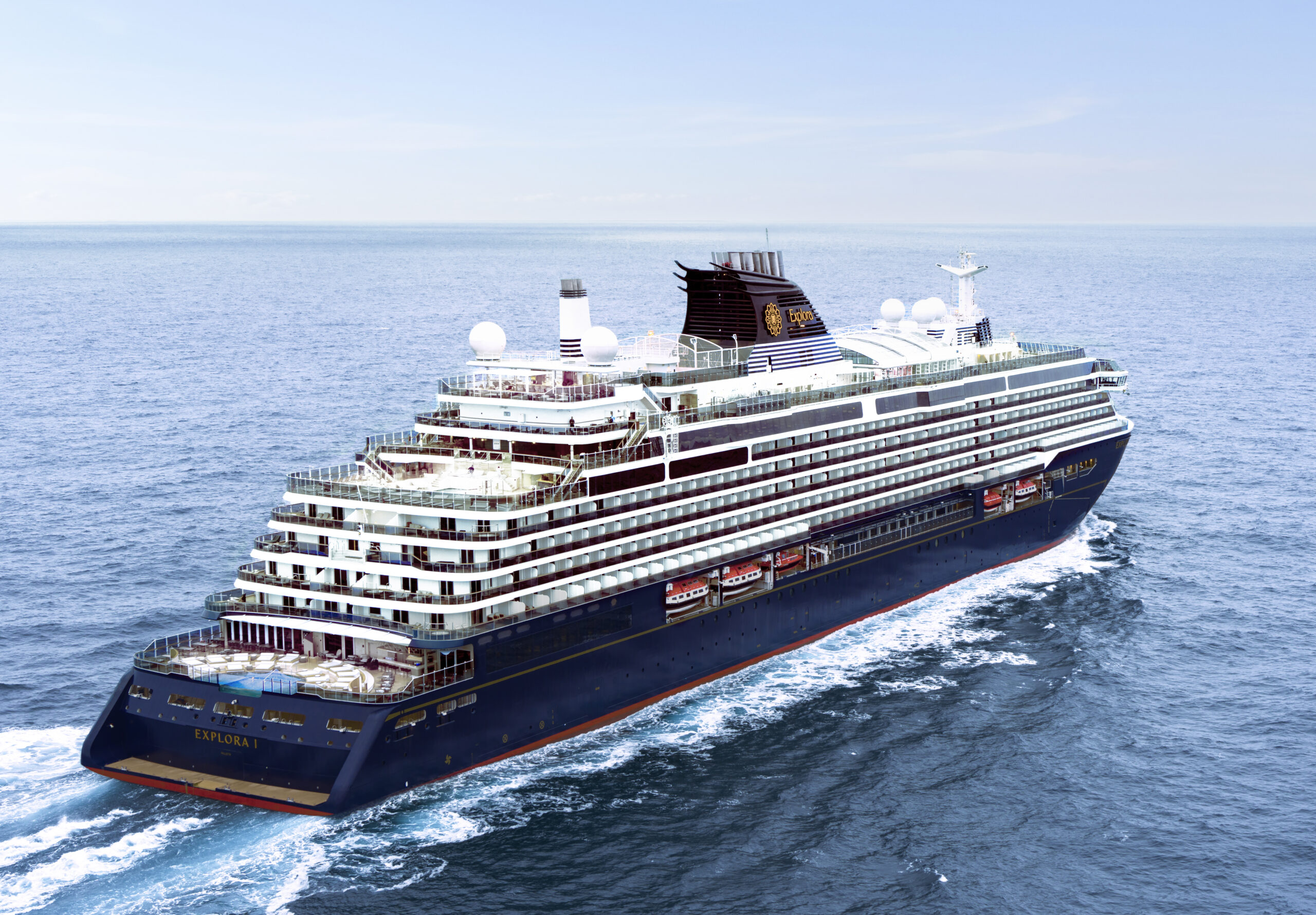
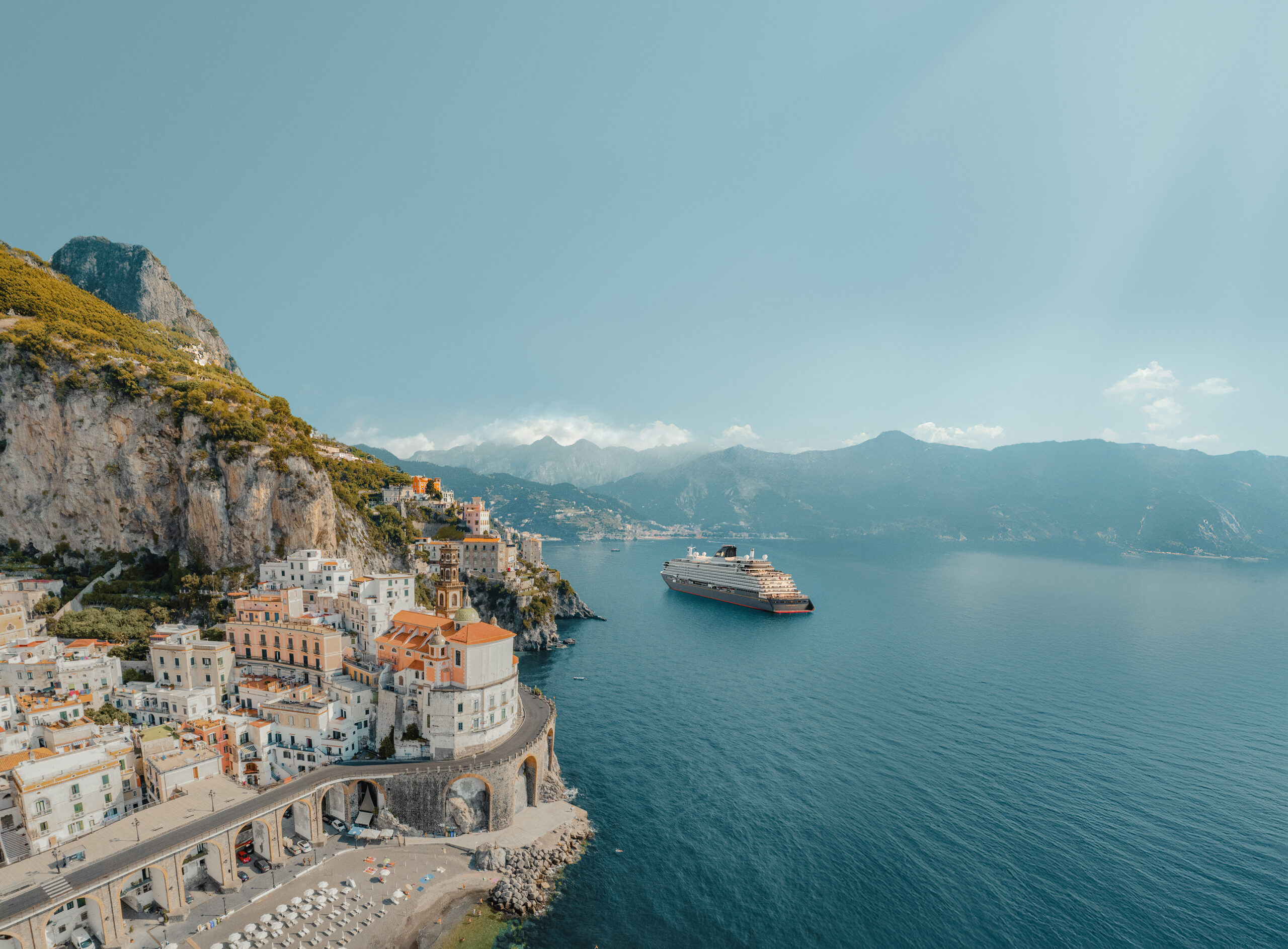
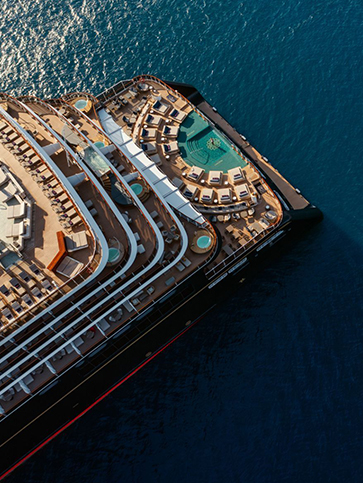
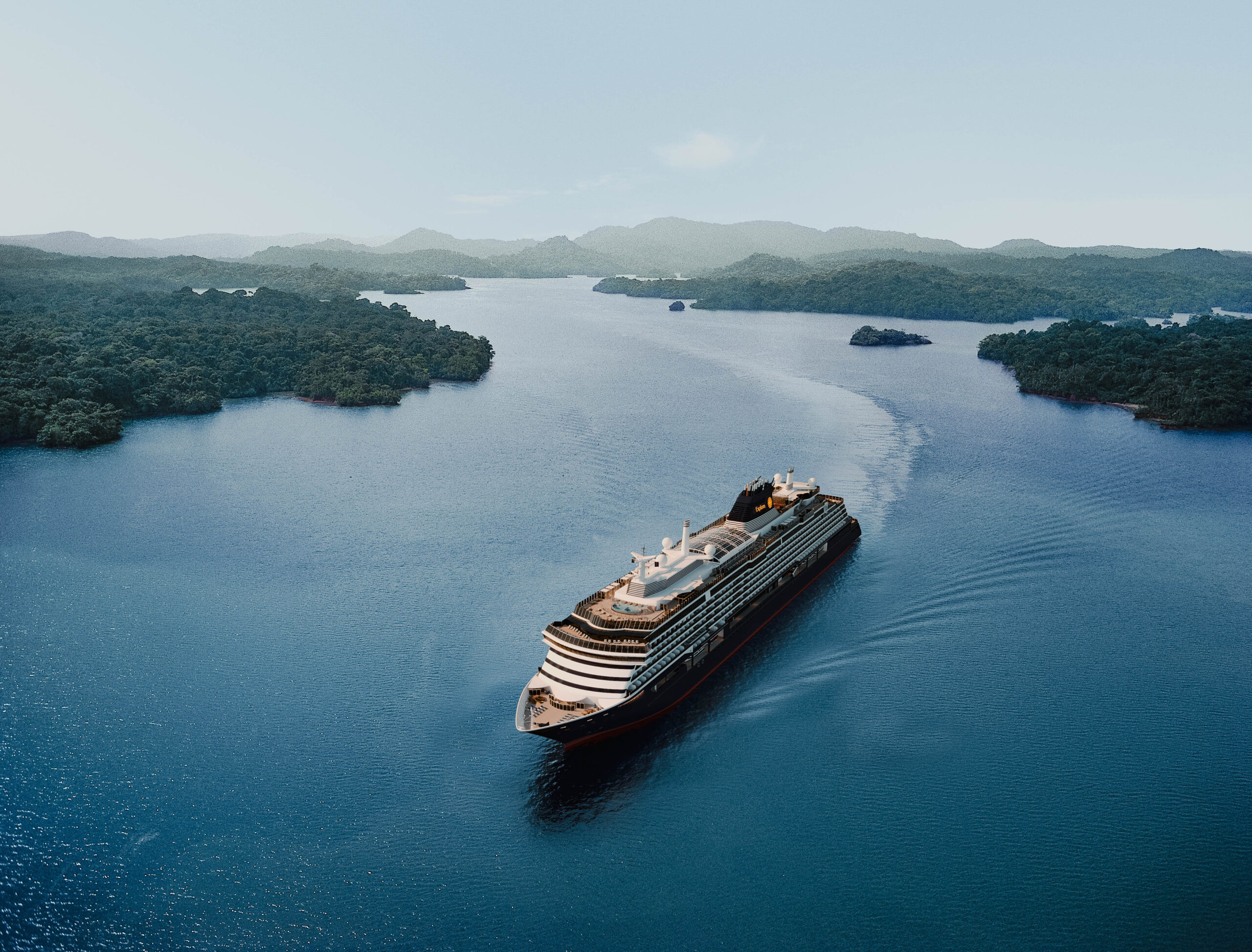
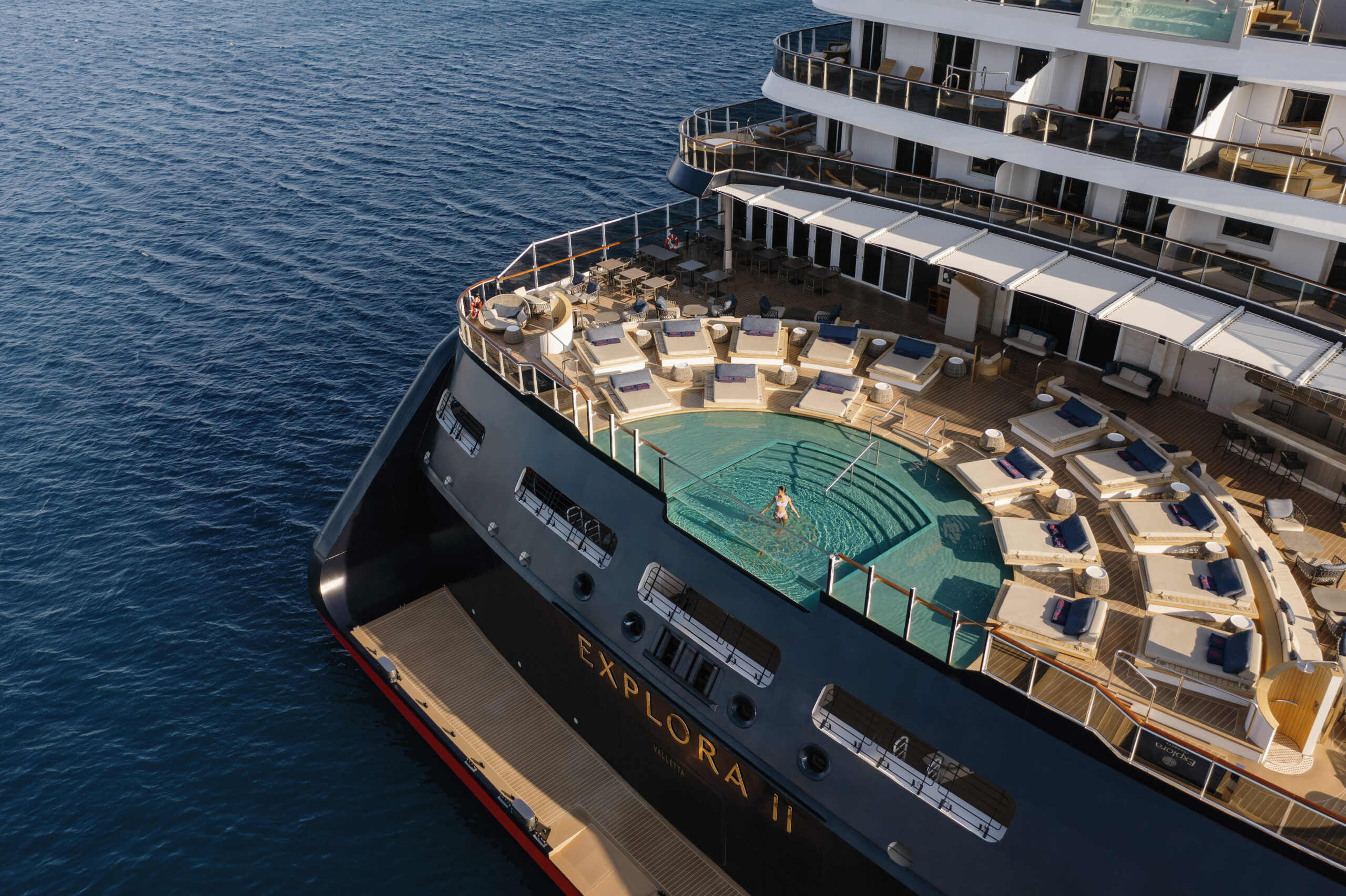
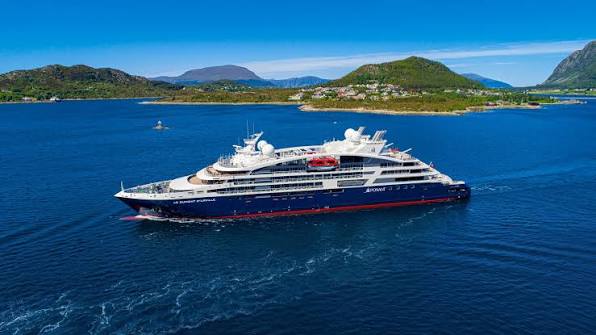
The first ship in Oceania’s Allura Class, Vista joined the fleet in 2023, with sister ship Allura setting sail in 2025. These ships represent an exciting evolution and offer elevated dining options, accommodation, and guest experience.
The Allura Class ships promise to enhance and redefine the
Oceania onboard experience, with chic residential-style
accommodation, all ocean facing with either French or full private
balcony, and a plethora of eye-catching public spaces that combine
dramatic architectural flourishes with the relaxed intimacy for
which Oceania is known. These are also the first Oceania ships to
include dedicated staterooms for solo travellers, and you can
expect innovative dining venues, a serene spa and a stunning pool
deck.
Miami is a pulsating modern city, a cultural crossroads where Cuban émigrés rub shoulders with affluent New Yorkers topping up on winter sun, and where you're just as likely to hear Spanish or Caribbean patois being spoken as you are English. Downtown Miami is a destination in its own right, with a host of world class galleries including the fantastic MOCA (Museum of Contemporary Art), but it's still Miami Beach that draws the biggest crowds. The Art Deco district around South Beach is very much back in vogue, with new restaurants, bars and luxury developments sprouting up all over the place.
Far more than just an offshore tax haven, Grand Cayman boasts the staggeringly beautiful white sands of Seven Mile Beach and some fantastic snorkelling in crystal clear waters. The capital, George Town, is a compact and friendly place, home to some interesting architecture and a suspiciously large number of registered companies.
Cartagena was founded by Spanish conquistadors in 1533, and the beautifully preserved centre is a real highlight of Colombia’s Caribbean coast. The walled old town, the Ciudad Amurallada, is a camera-friendly collection of cobbled streets and colourful, colonial-era buildings.
Puerto Quetzal is the jumping off point for exploring the fascinating interior of Guatemala, and the highlight of this intriguing country has to be UNESCO-listed Antigua. This colourful colonial town, 90 minutes from the port, enjoys a spectacular setting against a backdrop of volcanoes, and is well worth the trip.
It’s true that Acapulco has suffered from overdevelopment, and has lost some of its lustre since its heyday as a magnet for Hollywood stars. But it’s still a buzzing party town, and even the forest of high rise hotels can’t spoil the setting, a beautiful bay where the Sierra Madre mountains meet the Pacific Ocean.
Laid-back, friendly and blessed with near-perfect weather all year round, San Diego is one of America’s most likeable cities. Enjoy a stroll through Balboa Park, dotted with beautiful Spanish Renaissance-style architecture, take a whale watching trip along the coast, or sample the nightlife of the trendy Gaslamp Quarter.
Los Angeles is an energetic, creative place with cultural riches to match any world city, home to Hollywood glamour, the iconic beaches of Venice and Santa Monica, and affluent, image-conscious Beverly Hills.
Kahului is home to Maui’s main airport and harbour, and a convenient jumping-off point for exploring the island’s beautiful beaches and impressive volcanic scenery. Highlights include the verdant peaks of Iao Valley, the lively town of Lahaina and the dramatic views from Mount Haleakala.
Nawiliwili is the main port on Kaua’i, the oldest of the Hawaiian islands. This lush landscape of spectacular waterfalls and jungle-clad mountains is criss-crossed by the only navigable rivers in Hawaii, and has been used as a backdrop in films including ‘Raiders of the Lost Ark’ and ‘Jurassic Park’.
If the word Honolulu makes you think of deserted beaches and dusky maidens, think again! Despite its remote location in the North Pacific, Honolulu is busy busy, in particular the boisterous, touristy Waikiki beach.
Hilo is located on the east coast of Hawaii’s Big Island, a lush region of verdant rainforests, botanical gardens and gushing waterfalls. In the 1800s this was an important centre for the sugar industry, and the surviving plantation-era architecture gives downtown Hilo its uniquely quaint appearance.
Bora Bora is the very definition of idyllic, a diminutive Polynesian island dominated by rainforest-clad volcanic peaks, overlooking an electric blue lagoon ringed by coral reefs. The beaches and over-water bungalows are particularly popular with honeymooners, and the clear waters of the lagoon are perfect for snorkelling.
Mo’orea is one of the real highlights of the South Pacific, a picture perfect landscape of jagged green mountains and dazzling cobalt bays. The warm waters of the lagoon are perfect for a host of watersports, while the lush island interior can be easily explored by scooter or bicycle.
Papeete is the capital of French Polynesia, situated on the northwest coast of Tahiti. The port is not the most magical spot, so we advise venturing forth to luxuriate in the turquoise lagoons, relax on the white sand beaches fringed with palm trees, and explore the rugged mountain peaks.
Huahine is perhaps the most beautiful of the Society Islands, and one of the least developed too. The laid back ambience means it’s impossible not to relax here, whether you’re on one of the gorgeous beaches or taking a stroll around the friendly village of Fare.
Surrounded by kaleidoscopic reefs, white sand beaches and beautifully blue waters, Rarotonga is exactly what most of us picture when we think of the South Pacific. The lagoon is ideally suited to snorkelling and scuba diving, while the island itself is home to ancient sacred sites and pretty coral churches.
The Vava’u group of islands is part of the Kingdom of Tonga, the last surviving Polynesian monarchy and the only South Pacific nation never to have been colonised by Europeans. Vava’u is idyllic but also authentic, and is one of the best places in the region to see humpback whales during their annual migration between May and October.
Savusavu is the main town on Vanua Levu, a much sleepier and less developed island than nearby Viti Levu. Explore a volcanic landscape of hot springs, mangrove forests and spectacular waterfalls, snorkel amongst colourful coral reefs, visit bustling local markets and look out for spinner and bottlenose dolphins.
Lautoka is Fiji’s second largest city, known as the ‘Sugar City’ due to its important role in the local sugarcane industry. The waterfront area is pleasant enough, but we’d recommend using Lautoka as a jumping off point to visit some of the smaller surrounding islands, or the forests and waterfalls of the interior.
Situated on a magnificent natural harbour, Port Vila is the sleepy and seductive capital of Vanuatu. This friendly town is the perfect introduction to this intriguing Pacific island nation, with colourful markets, a unique Melanesian culture and some jaw-dropping nearby beaches.
Lifou is the largest and most populous of the Loyalty Islands, part of the French overseas territory of New Caledonia. This friendly little island is everything you would expect from the South Pacific, with gorgeous beaches, superb snorkelling and a jungle-swathed interior dotted with fragrant vanilla plantations.
Nouméa is the capital of New Caledonia, a French overseas territory in the South Pacific. The city is cosmopolitan and sophisticated, home to lovely little bistros and chic boutiques, providing quite a contrast to the rugged landscapes of the surrounding countryside.
One or our favourite cities in the world, we love pretty much everything about Sydney. Offering outdoor living at its best, the city is known for the excellent beaches but offers so much more, including a thriving and varied food scene inspired by Asian and European flavours.
The wonderfully named Mooloolaba stretches along a beautiful golden beach on Queensland’s idyllic Sunshine Coast, and it’s a popular destination for a weekend escape from Brisbane. The seafront Esplanade is the place to be, lined with cafés, boutiques and upmarket restaurants.
The lively town of Airlie Beach is backpacker central, and serves as a transport hub for the many offshore attractions of the east coast. From here you can take a trip out to snorkel on the Great Barrier Reef, or visit the stunning tropical beaches of the nearby Whitsunday Islands.
Cairns is a buzzing tourist hub, gateway to the Great Barrier Reef and the Daintree Rainforest. A snorkelling trip out to the reef is the most obvious excursion to take here, but other options include riding the Skyrail cableway over the rainforest canopy or swimming in the croc-free saltwater lagoon.
More of a large town than a city, Darwin is less about what’s contained within the city limits and more about the huge expanse of wild landscape that’s outside it. Closer to Jakarta than Sydney, the city really does feel remote in its tropical perch.
Komodo Island is situated within an area of spectacular natural beauty, home to the famous Komodo dragon. The stunning beaches are tinged with pink thanks to the high concentration of red coral just offshore, and the waters draw intrepid divers from all over the world.
Quieter and less developed than neighbouring Bali, the island of Lombok is an appealing alternative. To the north, the landscape is dominated by the huge crater of Gunung Rinjani, while the south and west coasts are home to some stunning beaches.
The beaches, spectacular volcanic scenery and lush green rice terraces lend Bali a natural beauty that seems to dovetail perfectly with the island’s distinct Hindu culture, which adorns the landscape with stunning temples.
The sweltering city of Semarang, on the north coast of Java, is an intriguing mish-mash of Chinese, Islamic and Dutch colonial influences. We recommend escaping the heat with a trip up into the mountains to visit a coffee plantation, or joining an excursion to the extraordinary temple complex at Borobudur.
Indonesia’s capital is noisy, chaotic and choked with some of the worst traffic in Asia, a sprawling megacity that’s home to over 10 million people. If you can get past all of that then Jakarta has plenty to offer, with the country’s best museums and restaurants, an atmospheric old harbour and a rich mix of cultures from all over the Indonesian archipelago.
Singapore’s heritage as an important trading post means that there is a real cultural mix, with four official languages: English, Chinese, Malay and Tamil. Step away from the gleaming towers and you’ll find yourself transported into another world amongst the intoxicating streets of Chinatown and Little India.
Attracting everyone from budget backpackers to ostentatious oligarchs, Koh Samui is one of Thailand’s most popular islands. It’s no surprise, given the truly stunning beaches, but the more developed areas such as Chaweng have lost a lot of their charm, so head for the quieter south and west if you can.
The once sleepy backwater of Kompong Som, renamed after the former king Norodom Sihanouk, is the rising star of the Cambodian coast’s burgeoning tourist industry. Here you’ll find beautiful sandy beaches and a string of laid back islands that are still largely undeveloped.
Thailand’s sprawling capital is an assault on the senses, an invigorating blend of tradition and modernity. Soaring skyscrapers, air-conditioned shopping malls and an efficient public transport system combine with shimmering golden temples, ancient palaces, floating markets and at times gridlocked rush hour traffic.
Saigon, as it was known then, was the capital of the South during the Vietnam War, and American-style capitalism has been embraced more enthusiastically here than in the North, with a clutch of shining skyscrapers standing as testament to Vietnam’s surging economic growth.
The port of Chan May is close to a number of central Vietnam's star attractions. Just to the north lies Hue and its crumbling Imperial Citadel, a UNESCO World Heritage Site, while to the south is the city of Da Nang, a major US airbase during the Vietnam War, and pretty Hoi An, a dreamy tropical haze of teetering merchant houses, bustling markets and Chinese temples.
Wander along the perfumed streets of Hanoi’s atmospheric Old Quarter and you could almost forgive yourself for thinking you’d travelled back in time, were it not for the beeping, buzzing morass of motorcycles zipping past.
Hong Kong is a striking mix of ancient and modern, Chinese and British, and there is a lot more to the city than just skyscrapers and high finance. It's also a fantastic destination for foodies, a melting pot of culinary influences from around Asia and beyond.
Booming Shanghai has long been China’s most outward-looking, cosmopolitan city, as evidenced by the fascinating mixture of European and Asian architecture. The Bund, a riverfront promenade flanked by grand colonial era buildings, is the city's most famous thoroughfare, while the Pudong financial district lights up the city skyline at night with its futuristic towers.
Incheon serves as a transport hub for Seoul, South Korea's captivating capital. Seoul is a dynamic metropolis where you can still find tea shops and temples amongst the skyscrapers and neon signs, and the culinary scene is superb, from street food to world class haute cuisine.
Three days after Hiroshima was flattened by an atomic bomb, Nagasaki suffered the same horrifying fate. The reconstruction of both cities has been quite extraordinary; Nagasaki today is a vibrant, cosmopolitan place, with a fascinating history that goes back a lot further than 1945.
On 6 August 1945 the world witnessed the terrifying power of nuclear weapons for the first time, unleashed on the unsuspecting Japanese city of Hiroshima. The modern city's sobering Peace Memorial Park commemorates that fateful day, which left more than 140,000 dead.
The small, laid back city of Kochi is situated on the south coast of Shikoku island, an important place of pilgrimage for Japanese Buddhists. Three of the 88 temples on the pilgrimage route are in Kochi, and the city is also known for its elegant 17th century hilltop castle.
Small in size and cosmopolitan in its outlook, Kobe is a thoroughly pleasant city with a long and distinguished history as one of Japan’s main trading ports. Kobe’s past as a commercial hub is reflected in its architecture, with a number of unusually European-looking houses, as well as a charming, if slightly touristy, Chinatown.
Shimizu is one of the most spectacular ports in Japan, a sweeping bay in the shadow of the iconic Mount Fuji. You can spend some time admiring the views and wandering through peaceful pine groves, or visit the unique Shimizu Sushi Museum at the S-Pulse Dream Plaza shopping mall.
In a state of constant renewal and forever looking to the future, densely populated Tokyo is a dazzling introduction to Japan and its utterly unique culture. With more neon than Las Vegas and more Michelin stars than Paris, it’s a real assault on the senses.
Keelung is a fairly unremarkable port city close to Taipei, Taiwan’s capital. Taipei draws on an interesting mix of Chinese, Japanese and Western influences, and is home to attractive temples, a burgeoning street food scene and Taipei 101, which was the world's tallest building until it was eclipsed by Dubai's Burj Khalifa in 2010.
Kaohsiung is Taiwan’s second largest city and one of the world’s largest container ports, situated on the south west coast of the island. Formerly a rather grim industrial centre, the city has been transformed in recent years, with new parks, cafés, galleries and museums popping up all over the place.
Manila is a sprawling, chaotic conglomeration of soaring skyscrapers, faded colonial facades and ramshackle slums, and it’s certainly not everyone’s cup of tea. But if you have the stamina and an inquisitive nature, there is plenty to be enjoyed in the Philippines’ boisterous capital.
Coron is the name of both the largest town on Busuanga Island, in Palawan province, and of a smaller island just offshore. This region is the ancestral home of the Tagbanua people, and the waters surrounding the islands offer some excellent diving, with numerous Japanese shipwrecks from the Second World War lurking on the seabed.
Puerto, as the locals call it, is the capital of Palawan province, founded by the Spanish in 1872. The city is the only major metropolis in this otherwise pristine and sparsely populated region, and the main attraction here is the spectacular Subterranean River National Park just to the north.
Kota Kinabalu is the gateway to the Malaysian state of Sabah and makes for an excellent base, whether you’re planning on scaling the commanding heights of Mount Kinabalu, exploring the islands and turquoise waters of Tunku Abdul Rahman Marine Park, or embarking on a trip into the jungle to encounter Borneo’s fantastic wildlife.
Singapore’s heritage as an important trading post means that there is a real cultural mix, with four official languages: English, Chinese, Malay and Tamil. Step away from the gleaming towers and you’ll find yourself transported into another world amongst the intoxicating streets of Chinatown and Little India.
Malaysia’s capital is a hot and humid cultural melting pot, defined by its distinctive Malay, Chinese and Indian communities. The dazzling Petronas Towers are KL’s most recognisable landmark, while at street level you’ll find temples and mosques, elegant colonial buildings and bustling markets.
The Malaysian island of Penang is a fascinating blend of East and West, far more than just a beach destination. Lovely Georgetown, a UNESCO World Heritage Site, is home to British colonial architecture, crumbling Chinese shophouses and incense-perfumed temples.
As well as a plethora of luxury resorts, Phuket has a charming old town replete with pretty Sino-Portuguese architecture, and acts as a jump-off point for exploring nearby islands and coastline. Koh Phing Pan, better known as James Bond Island, and Ko Phi Phi are breathtakingly beautiful, as are the limestone formations that surround Krabi.
The Dutch colonial architecture of the Fort, Galle’s walled old quarter, is one of the highlights of Sri Lanka’s south coast. The atmospheric streets are home to all manner of beguiling boutiques, cafés and restaurants, and the beach towns of Hikkaduwa and Unawatuna are just a short drive away.
The low-lying reef-protected atolls of the Maldives, set in the crystal clear turquoise waters of the Indian Ocean, are the perfect place to relax and unwind. A great choice for a honeymoon or romantic getaway, the Maldives also appeal to active travellers who love watersports, snorkelling and diving.
Formerly known as Bombay, this amazing city is larger than life and packed to bursting with things to see and do. Here people of all religions and nationalities live cheek by jowl, thriving communities from all over the world with the foods, smells, languages and rituals maintained at top volume.
Amazing high rise buildings, extensive air-conditioned shopping malls and extraordinary man-made tourist attractions (such as indoor ski-slopes) abound in the glamorous city of Dubai, home to some of the most glitzy and expensive hotels in the world.
The UAE’s gleaming capital gives Dubai a run for its money in terms of extravagant excess, an ever-multiplying forest of skyscrapers looming over the golden sand and brilliant blue waters of the Gulf. Don’t miss the shining white Sheikh Zayed Grand Mosque, one of the world’s biggest.
Qatar's capital is a city on the up, with vast sums of money being poured into construction projects for the 2022 World Cup and cultural venues such as the spectacular Museum of Islamic Art. There are also plenty of more traditional attractions, such as the atmospheric souks and the lovely waterfront Corniche promenade.
Amazing high rise buildings, extensive air-conditioned shopping malls and extraordinary man-made tourist attractions (such as indoor ski-slopes) abound in the glamorous city of Dubai, home to some of the most glitzy and expensive hotels in the world.
Salalah is Oman’s second city, and the capital of the southern Dhofar region. Many visitors are surprised by the pleasant sub-tropical climate, which turns the city into an oasis of lush greenery during the ‘khareef’ (monsoon) season between June and September, and in many ways it’s more reminiscent of Zanzibar than Muscat.
The port city of Jeddah has long been a cultural crossroads, serving as the gateway to Mecca for pilgrims making the Hajj, and there's a cosmopolitan feel here that other Saudi cities lack. The old Al-Balad neighbourhood is home to the city’s most characterful buildings, while the buzzing Corniche promenade is a great spot for people watching.
Safaga is the nearest sea port to Luxor, and ships often stop here overnight to give you time to see everything. Prepare to be amazed – the thin belt of greenery along the banks of the Nile gives Luxor a lush setting for an extraordinary collection of tombs and temple complexes that hint at the magnificence of this former Ancient Egyptian capital.
Aqaba is Jordan’s principal beach resort, situated on the Red Sea coast close to the Israeli border. The main attraction in Aqaba itself is the incredible diving, though many visitors will choose to instead use the port as a jumping off point for the 'Rose City' of Petra and the desert landscapes of Wadi Rum.
Sharm El-Sheikh is Egypt’s most popular beach resort, situated on the Red Sea coast on the Sinai Peninsula. The wonderfully warm waters of the Ras Mohamed National Park offer fantastic snorkelling and diving, and other nearby attractions include the impressive Byzantine-era St Catherine’s Monastery.
Ain Sukhna is the nearest Red Sea port to Egypt's capital, Cairo. Obviously the highlight of your visit may well be the Pyramids and Sphinx at Giza, but on no account neglect a visit to the Egyptian Museum, which has a truly stupendous collection of ancient artefacts, not least, of course, the Tutankhamen treasures.
The buzzing city of Limassol is southern Cyprus’ main port, an important commercial hub that overflows with bars, restaurants and tavernas. It’s also home to a pleasant old town and medieval castle, and serves as an excellent base for exploring the nearby Troodos mountains.
Sun-kissed Rhodes, the largest of the Dodecanese islands, is steeped in history; the medieval heart of Rhodes Town was once home to the crusading Knights of St John, and later fell to the Ottoman sultan Suleiman the Magnificent. The hillside village of Lindos, with its pretty whitewashed houses, is another highlight.
The Turkish port of Kusadasi is the gateway to Ephesus, one of the most spectacular archaeological sites in the Eastern Mediterranean. This was the Roman capital of Asia Minor, and the remains constitute the most complete classical city in Europe.
Athens is a city awash with historical and cultural significance, but it's much more than an open air museum; this is a dynamic, bustling metropolis, and a place where history is still very much unfolding.
Bari is the second biggest city in southern Italy, situated at the heart of sunny Puglia. The delightful old town brims over with pretty churches and balconied houses, and the striking Basilica is said to house the bones of Saint Nicholas. Easy day-trips include the trulli houses of Alberobello and the stunning hilltop city of Matera.
Located on the quieter northern stretch of Croatia’s Dalmatian coast, the walled port city of Zadar is an intriguing blend of old and new, where Roman ruins and psychedelic modern art installations sit alongside one another.
The largest town on Slovenia’s sliver of Adriatic coastline, Koper has an attractive medieval centre and some impressive Venetian architecture. There is also a sizeable Italian community here, reflected in the bilingual road signs, and it's a short drive across the border to the former Habsburg city of Trieste.
Ravenna is a must-visit for art and history lovers, with an impressive array of UNESCO-listed historic buildings decorated with beautiful Byzantine mosaics. The city is also home to Dante’s tomb, and you’re within easy reach of Bologna, Ferrara and San Marino.
Croatia’s second city enjoys a dramatic setting, hugging a sweeping bay against a backdrop of sheer grey mountains. Split's labyrinthine old town is contained within the remarkable Roman ruins of Diocletian’s Palace, a UNESCO World Heritage Site, and spills out onto the buzzing seafront Riva promenade.
We never fail to be moved when we see the terracotta roofs and honey-golden walls of Dubrovnik, and a stroll around the perfectly preserved old town is a highlight of any visit to the Dalmatian coast. Make sure you take the time to walk around the walls and soak up the marvellous sea views.
Malta’s tiny capital, established by the Knights of St John, packs in an awful lot of history considering its diminutive size. The atmospheric old streets, bathed in Mediterranean sunshine, are full of attractive honey-golden buildings, along with an impressive selection of bars and restaurants.
Situated on the north eastern tip of Sicily, so close to the Italian mainland you can almost touch it, Messina is the busy main entry point to the island. The city was flattened by an earthquake in 1908, and again by Allied bombing in 1943, so few historical sights remain, although the cathedral is one of Sicily’s most impressive.
The lovely town of Sorrento, draped across rugged cliffs overlooking the Bay of Naples, has been charming visitors since the days of the Grand Tour. The Renaissance palaces and many craft shops make Sorrento an attractive destination in its own right, and it’s also a jumping off point for Capri, Pompeii and the Amalfi Coast.
One of the world’s great cities, Rome continues to dazzle and delight visitors with a potent mix of architectural marvels, continent-defining history and buzzing nightlife. The Colosseum, the Vatican and the Forum are among the big ticket items, with the crowds to match, though in truth you will find history around almost every corner.
The faded port town of Livorno serves as a gateway to Tuscany’s star attractions. Wonderful Florence, the cradle of the Renaissance, is resplendent with beautiful architecture and unrivalled artistic treasures, while nearby Pisa is of course famous for its precarious Leaning Tower.
Renowned for its casino, its Grand Prix and its oligarch-friendly tax policies, Monte Carlo is glamour and hedonism personified, with a price tag to match. This little principality enjoys a lovely setting, the villas and penthouses tumbling down the hillside towards the sweeping blue expanse of the Mediterranean.
From the warren-like medieval streets of the Barri Gòtic to the fantastical modernist architecture of Antoni Gaudí, from the dizzy heights of Mount Tibidabo to the golden sands of Barceloneta, there’s never a dull moment in Barcelona.
Mallorca is renowned for its beaches, ranging from big, bustling resorts to small, secluded coves. The island interior offers ruggedly beautiful scenery and quaint little towns, while the charming capital, Palma, boasts an attractive old quarter dominated by the imposing Gothic cathedral.
The bustling port of Motril is less than an hour’s drive from Granada, last stronghold of the Moors in Spain and home to the famous Alhambra palace. The narrow streets of the Albayzín quarter are particularly evocative of the days of Al Andalus, and you can explore Granada’s Jewish heritage in the atmospheric Realejo district.
The crumbling, sun-baked seafront city of Cádiz is said to be the oldest continuously inhabited settlement in the western world, founded by the Phoenicians around 1100 BC. Although the city lacks any obvious landmarks, it’s rich in atmosphere, and plays host to one of Spain’s most colourful carnivals.
Sovereignty of ‘The Rock’ has been a thorny issue ever since Gibraltar was ceded to Britain in 1713, though on the ground it’s clear where most locals’ sympathies lie. Gibraltar is often described as ‘more British than Britain’, a curious enclave of red postboxes, double decker buses and chip shops.
Spread across steep hillsides that overlook the Rio Tejo, Lisbon’s colourful cityscape includes Gothic cathedrals, majestic monasteries and quaint museums. But for many the best times will be had wandering the narrow lanes of Lisbon’s lovely backstreets, with their great local food, wine and music.
Blessed with a dramatic setting on the steep banks of the river Douro, Portugal’s second city is currently enjoying something of a renaissance, and is best known as the home of the country’s most famous export, port wine.
La Coruña is the largest city in Galicia, a beautiful region of lush green countryside and wild, windswept beaches. Historical sights of note include the Tower of Hercules, a UNESCO-listed Roman lighthouse, and the city is also home to some great seafood restaurants.
It’s not so long ago that Bilbao was a grim and unappealing place, scarred by heavy industry, but the Basque Country’s biggest city has reinvented itself as a cultural hub since the opening of the shimmering Guggenheim Museum in 1997.
The pretty town of Saint-Jean-de-Luz is one of the highlights of the French Basque Country, on a crescent-shaped bay between Biarritz and the Spanish border. The streets of the old town are filled with charming timbered houses, and there are some great restaurants where you can sample Basque cuisine.
The naval port of Brest is situated on a fine natural harbour, a bustling city that was rebuilt after extensive damage from Allied air attacks during World War II. Enjoy excellent seafood and local Breton dishes, learn about the city’s maritime history at the Musée de la Marine, or visit Océanopolis, one of France’s largest aquariums.
Situated just 14 miles off the coast of Normandy, the sunny island of Jersey blends British seaside charm with a discernible French influence. The bustling capital, St Helier, is the perfect base for exploring the island’s beautiful beaches, wartime fortifications and superb seafood restaurants.
Le Havre was more or less flattened during World War II, which makes the city’s UNESCO World Heritage status all the more remarkable. Rebuilt by the Belgian architect Auguste Perret, Le Havre is now characterised by a striking modernist style; don’t miss the towering, concrete Église St-Joseph.
Southampton is the UK’s leading port. Bustling modern cruise terminals, as well as wharfs and commercial harbours, line the waterfront, whilst the city itself is a fascinating mix of ancient and modern, with a picturesque old town, the original city walls still standing, and super-modern shopping centres and office complexes
Cosmopolitan Edinburgh, Scotland’s lovely capital, is located in spectacular countryside, always visible from the city centre. Striking architecture, lots to see and do, and great food mean that your time here will be very busy. And if your visit coincides with the Festival, you have a treat in store.
Invergordon’s deep natural harbour makes it a popular jumping off point for the Scottish Highlands, and most cruise ship visitors will head inland on excursions to Loch Ness, Culloden battlefield or the nearby city of Inverness, capital of the Highlands.
The flat, windswept Orkney Islands, just off the northeast coast of Scotland, have a distinctive Scandinavian heritage that’s discernible in everything from the unusual place names to the ancient Norse architecture of the capital, Kirkwall. Don’t miss the Ring of Brodgar, a fascinating Neolithic stone circle.
The Isle of Skye is one of Scotland’s most popular tourist destinations, thanks to a spectacular landscape of jagged peaks, misty moors and glassy lochs. The island’s biggest town is Portree, a pleasant little place with a colourful harbour.
Gritty Glasgow is Scotland's largest city, renowned for its culture, style and the friendliness of its people. With internationally-acclaimed museums and galleries, stunning architecture, vibrant nightlife, fantastic shopping and a diverse array of restaurants and bars, Glasgow has something for everyone.
The 1998 Good Friday Agreement was a watershed moment for Northern Ireland, and its rejuvenated capital is enjoying a surge in popularity. The new Titanic Belfast museum is the star attraction, while the city centre boasts some handsome Victorian architecture and a lively pub scene.
The city of Dublin has something for everyone with great shopping, beautiful Georgian architecture, lovely parks, galleries and museums. Everywhere you go you will be bowled away by the jovial Irish welcome. Don’t miss the chance to sample a local pint of Guinness.
The attractive town of Cobh is situated on an island in Cork Harbour, one of the largest natural harbours in the world. It’s a colourful place with an interesting history; Cobh was the main exit point for thousands who fled Ireland during the famine years, and it was also the final port of call for the ill-fated Titanic.
Le Havre was more or less flattened during World War II, which makes the city’s UNESCO World Heritage status all the more remarkable. Rebuilt by the Belgian architect Auguste Perret, Le Havre is now characterised by a striking modernist style; don’t miss the towering, concrete Église St-Joseph.
White Cliffs Country is a fascinating region, one packed with history and natural beauty. We think there is no sight like that of the stunning cliffs rising from the sea, topped by the fortifications of Dover Castle, and surrounded by lush green countryside.
Zeebrugge’s main attraction is its proximity to Bruges. This beautifully preserved old town is a magical maze of winding cobbled lanes, narrow canals and gorgeous gabled houses, and it’s no wonder so many visitors throng the streets in summer.
Amsterdam is one of our very favourite cities to visit, as well as also being a perfect base to explore the nearby landscape of windmills and dikes. There is a wealth of famous museums and galleries to choose from, such as the Van Gogh Museum, the Rijksmuseum and the Anne Frank House.
You might not expect to find a beach resort in Norway, but the sunny city of Kristiansand is where Norwegians go for a spot of fun by the seaside. There are plenty of family-friendly attractions, including a zoo, and it’s also a good base for exploring the pretty fishing villages of the south coast.
The intriguing city of Oslo, Norway’s capital, has so much to offer, from the open air Norwegian Folk Museum to the amazing Vigeland sculpture park, and from the Holmenkollen Ski Museum to the Munch Museum’s collection of memorable paintings. History, art and culture are what defines this lovely city.
Aarhus is Denmark’s second largest city, but it’s also a compact and likeable place with a burgeoning cultural scene and a large student population. The combination of superb restaurants, attractive cobbled streets and excellent museums make Aarhus an unexpected highlight of any cruise around the Baltic.
The Swedish port of Helsinborg occupies a strategic position at the narrowest point of the Öresund, the body of water that separates Sweden from Denmark. Sights include the impressive medieval Kärnan tower, and it’s a short ferry ride across the Öresund to the Danish city of Helsingør, home of Hamlet’s famous Kronborg Castle.
Wonderful Copenhagen is the perfect city to explore on foot, by bicycle or by water. Visit the bustling wharf at Nyhavn, enjoy the palaces, galleries and museums, wander through the amazing Tivoli Gardens, and if you have time, make the most of Copenhagen’s gastronomic revolution.
The old Hanseatic port of Rostock was heavily damaged in the Second World War, though attractive enclaves of historic architecture remain. The little village of Warnemünde, a suburb of Rostock, is home to one of the most appealing beaches on the Baltic coast. An excursion inland to Berlin is a popular option, though it's around 150 miles each way.
The ruggedly handsome island of Bornholm lies way out in the Baltic, closer to Sweden and Poland than the Danish mainland. It’s the sunniest place in Denmark, known for its intriguing rundekirke (round churches), sleepy fishing villages, traditional smokehouses and fantastic foodie scene.
The Baltic port of Gdynia is the gateway to Gdansk, a city that occupies an important place in 20th century history; the first shots of World War II were fired at the Westerplatte naval base, and it was amongst the shipyards of Gdansk that the Solidarity movement was born in the 1980s.
Klaipeda is Lithuania’s only major seaport, and served for a time as the capital of Prussia, when it was known as Memel. There is still a noticeable Germanic flavour to the architecture of the old town, and it’s only a short distance from both the spectacular dunes of the Curonian Spit and the lovely seaside town of Palanga.
Liepaja, Latvia’s third largest city, was a key naval base during both the Tsarist and Soviet eras, so the beautiful beach comes as something of a surprise. History buffs will enjoy exploring the old Karosta military district, while the city centre is home to some lovely art nouveau buildings and the impressive Holy Trinity Cathedral.
Riga, Latvia’s charming capital, is a highlight of any Baltic itinerary. The compact Old Town delights with its winding lanes and elegant spires, and the city is also home to one of Europe’s most impressive ensembles of Art Nouveau architecture.
The historic harbour city of Tallinn in Estonia is really quite captivating. Just the perfect size to explore on foot, its medieval (and UNESCO listed) town centre, with its cobblestone streets and a busy Town Hall Square, is the perfect introduction to Estonia’s rich history.
Finland’s lovely capital Helsinki is a maritime city, with the sea on three sides and almost 100 kilometres of shoreline, as well as around 300 islands. Its contemporary architecture and focus on modern design sit surprisingly well alongside its four hundred year history.
The buzzing city of Stockholm is the capital of Sweden. Many sights will delight; the busy waterfront, the cobbled streets in the Old Town, and the museums, palaces, gardens and galleries. And of course, just 20 minutes away, its archipelago of 30,000 islands offers a totally different experience.
The charming UNESCO-listed town of Visby is the capital of Gotland, the largest island in the Baltic. The photogenic cobbled streets and ruined Gothic churches are a reminder of the island’s fascinating history, invaded by both Germans and Danes and decimated by the Black Death in the 14th century.
Wonderful Copenhagen is the perfect city to explore on foot, by bicycle or by water. Visit the bustling wharf at Nyhavn, enjoy the palaces, galleries and museums, wander through the amazing Tivoli Gardens, and if you have time, make the most of Copenhagen’s gastronomic revolution.
Gothenburg, or Goeteborg locally, is Sweden’s laid back second city, a delightful mix of cobbled streets, neoclassical architecture and picturesque canals. The old town is full of history, with some interesting museums, and the thriving arts scene has helped to revitalise the city’s previously run-down industrial districts.
Haugesund dates back to Viking times, and the surrounding region is known as the birthplace of Norway, where King Harald Fairhair first united the country under one ruler. Highlights include the reconstructed Viking farm at Avaldsnes, the Arquebus War History Museum and the Haraldshaugen Monument.
Dramatically located at the head of the Aurlandsfjord, the picturesque little village of Flåm is a popular base for excursions into Norway’s great outdoors. Strike out into the surrounding countryside and you’ll find steep mountains, cascading waterfalls and bucolic farms, with some spectacular walking and cycling trails.
Beautiful Bergen, Norway’s former capital, is a perfect city to explore on foot. Bryggen – the old Hanseatic wharf, and a UNESCO World Heritage site – still has the old harbour timber buildings, whilst other attractions include the funicular up Mount Floyen and the busy fish market.
When Ålesund was destroyed by fire in 1904, the German Kaiser Wilhelm II agreed to foot the bill to rebuild it. The result was the stunning Art Nouveau architecture that you see today, which blends elements of the German 'Jugendstil' with Viking flourishes.
Seyðisfjörður is one of the highlights of Iceland’s Eastfjords, a cute collection of colourful houses at the head of a dramatic fjord. The backdrop of snowy mountains and cascading waterfalls makes this one of the most picturesque ports in Iceland, and the town is surprisingly cosmopolitan.
Akureyri is Iceland’s second city, though with just 18,000 inhabitants it’s really more of a small town. Situated on the north coast at the head of Iceland’s largest fjord, it’s a cute and quirky place that also serves as a base from which to explore the bubbling mud pools and lunar landscapes around Lake Mývatn.
Ísafjörður is the largest town in Iceland’s wild Westfjords, dramatically located on a spit of sand hemmed in by mountains on three sides. The town itself is fairly low key, and the main attraction is exploring the surrounding landscapes, such as the spectacular Hornstrandir Peninsula.
Capital of Iceland and gateway to this extraordinary volcanic island, modern Reykjavík is home to an impressive collection of interesting attractions and places of historic significance. Visit the impressive Hallgrímskirkja church, relax in a thermal pool, potter around the old harbour, and enjoy 24 hour daylight in the summer months.
The little fishing town of Grundarfjörður enjoys a picturesque setting on the Snæfellsnes Peninsula, surrounded by dramatic volcanic peaks and gushing waterfalls. The nearby Snæfellsjökull volcano, capped by a glacier, was made famous by Jules Verne in ‘Journey to the Centre of the Earth’.
Paamiut is known for its warm community spirit and remarkable wildlife, home to the country’s largest population of white-tailed eagles. Here, ancient trails wind through dramatic landscapes dotted with colourful historic houses that recall a past shaped by whaling and fur trading, while nearby waters offer chances to spot whales.
Greenland’s capital and largest town, Nuuk is positively cosmopolitan compared to the rest of this remote and isolated country. The setting amongst mountains and fjords is striking, and attractions include the Greenland National Museum and the picturesque Old Harbour.
Charlottetown, the charming provincial capital of Prince Edward Island, occupies an important place in Canadian history: it was here that the conference which led to the creation of the Canadian Confederation took place in 1864. The city also has a great culinary scene, making use of the island’s bountiful seafood and fresh produce.
Sydney is the only real city on Nova Scotia’s beautiful Cape Breton island, a former steel and coal town that is reinventing itself as a cultural and culinary hub. The revitalised waterfront area is particularly appealing, and there are some interesting Loyalist-era buildings in the city’s North End district.
The natural harbour at Halifax is the second largest in the world after Sydney, and this charming city has a proud maritime heritage. Take a stroll along the historic waterfront, delve into the vibrant arts scene or explore the beautiful coastal scenery of Nova Scotia.
Boston is one of the oldest cities in the USA, and in amongst the skyscrapers are plenty of red-brick buildings, a Georgian architecture that lends the city a distinctly European feel. Boston is also home to a wealth of cultural riches, including the superb Museum of Fine Arts, as well as the world famous Harvard University.
The Big Apple is one of the world’s most iconic, cosmopolitan cities, a place that everyone should visit at least once in their lifetime. From the lofty heights of the Manhattan skyscrapers to the hipster hangouts of resurgent Brooklyn, New York City buzzes with energy and excitement, and there’s never been a better time to visit.