From Fusina to Rome (Civitavecchia) · Mediterranean · 10 nights
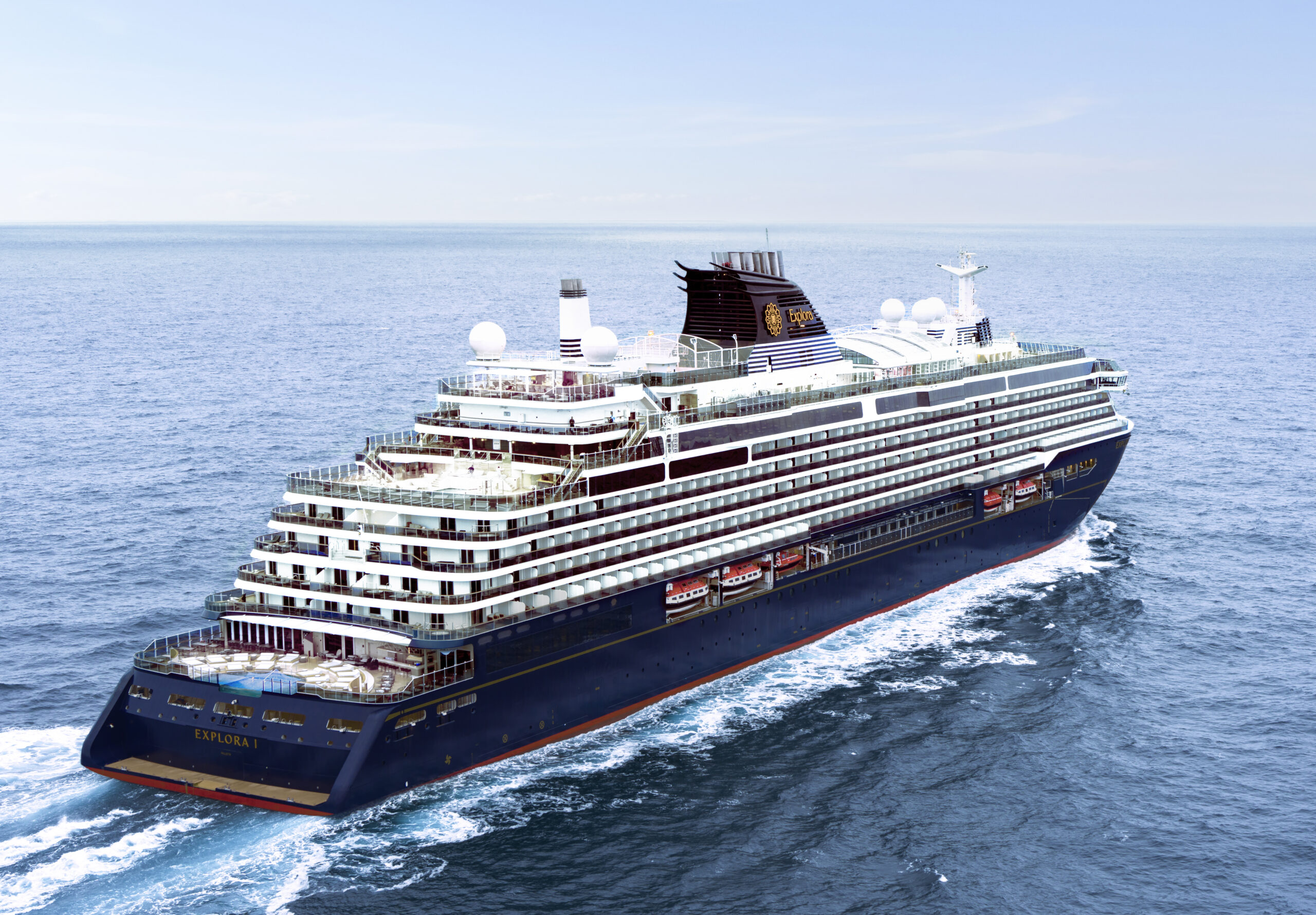
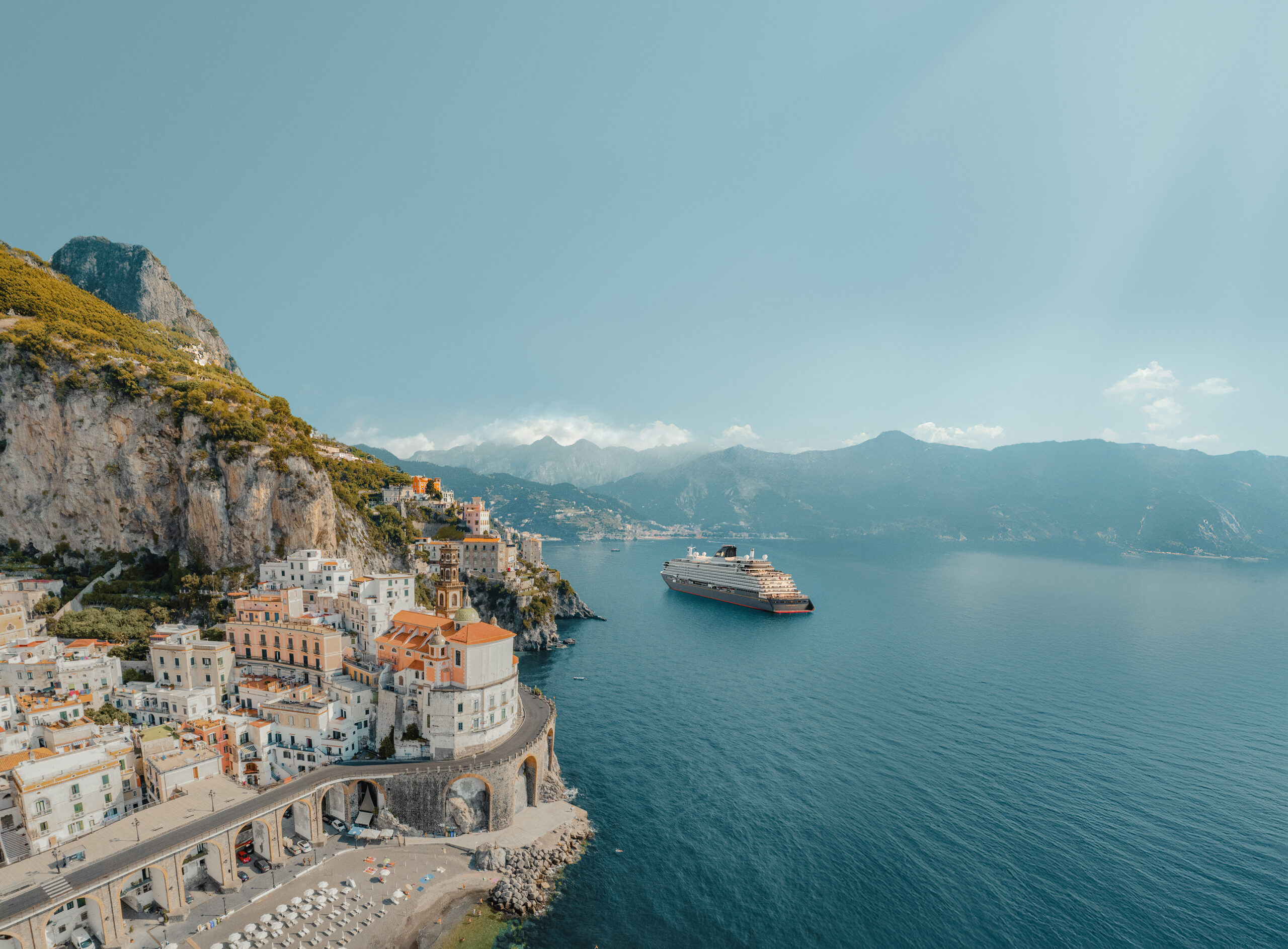
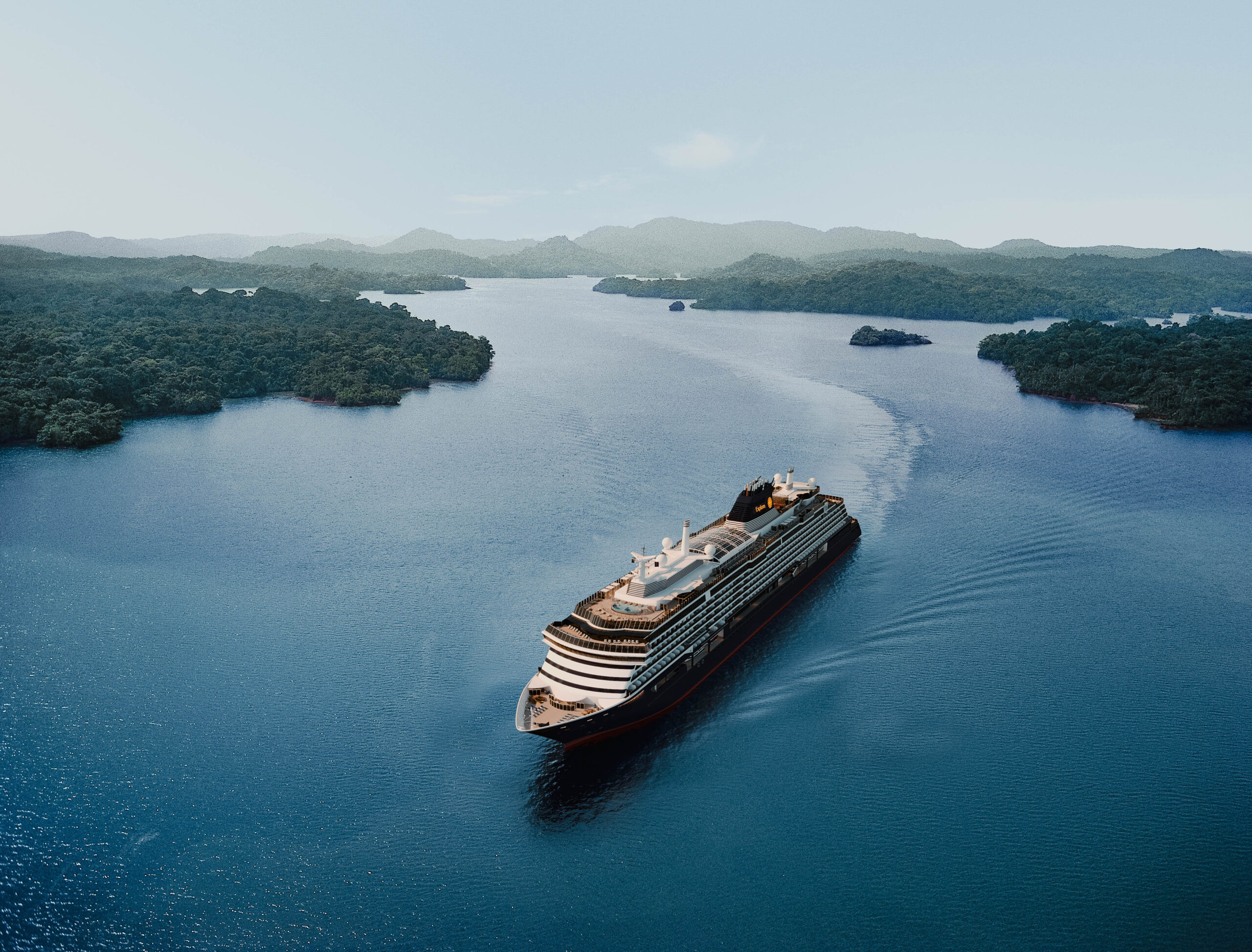
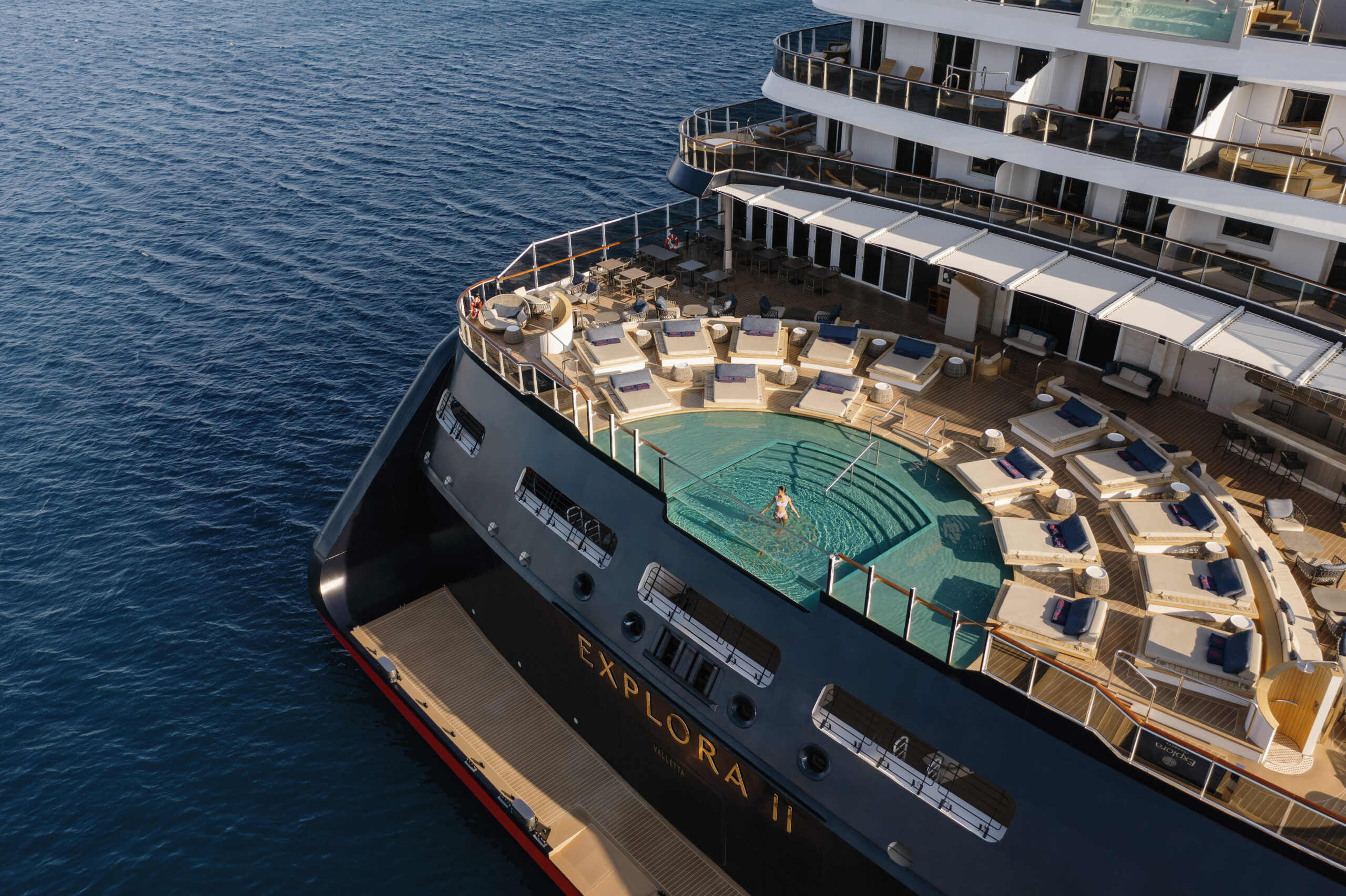
Silver Nova and Silver Ray reflect an exciting evolution of the Silversea product, featuring hybrid technology, sumptuous suites and the largest capacity of any Silversea ship to date.
The Nova Class ships use a trio of power sources, with dual fuel
engines that use LNG as their main fuel, battery technology and
fuel cells which will allow the ships to operate emissions-free
while in port – an industry first. Butler service is included for
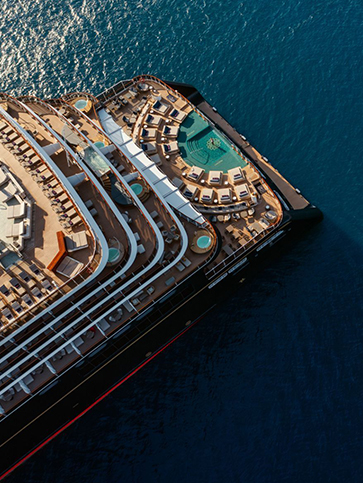
every suite and you can expect spacious accommodation, including
aft suites with panoramic 270-degree views, plus an outstanding
array of dining options.
Fusina is on the mainland just across the Venetian Lagoon from Venice and is a common embarkation and disembarkation port for those ships who can no longer call into the heart of the city. Convenient for the airport but offering little else in the immediate vicinity, it is in striking distance of Venice by water taxi and the treasures of Venice are well worth the journey, with highlights including the architectural marvels of St. Marks Basilica and Doge's Palace, the bustling Rialto Market or the quieter local neighbourhoods of Giudecca or Cannaregio. If you're extending your stay it is best to do so on one of Venice's islands to be close to the sights rather than in Fusina for the convenience of the port.
Almost encircled by the territory of neighbouring Slovenia, the Adriatic port of Trieste has always stood slightly apart from the rest of Italy, and the city’s former status as a free port under Austrian rule is reflected in the handsome Habsburg architecture.
Kotor sits at the head of a beautiful, fjord-like bay, hemmed in by glowering mountains. The compact, walled old town is Montenegro’s star attraction, a warren of little alleyways and shady squares that is often described as a ‘mini Dubrovnik’.
Bari is the second biggest city in southern Italy, situated at the heart of sunny Puglia. The delightful old town brims over with pretty churches and balconied houses, and the striking Basilica is said to house the bones of Saint Nicholas. Easy day-trips include the trulli houses of Alberobello and the stunning hilltop city of Matera.
Malta’s tiny capital, established by the Knights of St John, packs in an awful lot of history considering its diminutive size. The atmospheric old streets, bathed in Mediterranean sunshine, are full of attractive honey-golden buildings, along with an impressive selection of bars and restaurants.
Taormina enjoys a truly spectacular setting on Sicily’s east coast, perched on a mountainside looking out towards the smouldering Mount Etna. The medieval streets are pleasant but often crowded in high season, so we’d recommend getting out and exploring the surrounding countryside.
Palermo is an acquired taste; noisy, chaotic and rather grimey in places. But there’s something quite intoxicating about the crumbling facades and the bustling markets, and the Arabesque style of many of the buildings hints at Sicily’s historical role as a stepping stone between Europe and North Africa.
The UNESCO World Heritage-listed centre of Naples rewards exploration, and in addition to the many cultural treasures waiting to be unearthed Neapolitans are rightly proud of their food; this is where you’ll find the best pizza in Italy. The city also acts as a gateway to the fascinating remains of Pompeii and Herculaneum, and the beautiful Amalfi coast.
One of the world’s great cities, Rome continues to dazzle and delight visitors with a potent mix of architectural marvels, continent-defining history and buzzing nightlife. The Colosseum, the Vatican and the Forum are among the big ticket items, with the crowds to match, though in truth you will find history around almost every corner.