From Tarragona to Barcelona · Mediterranean · 17 nights
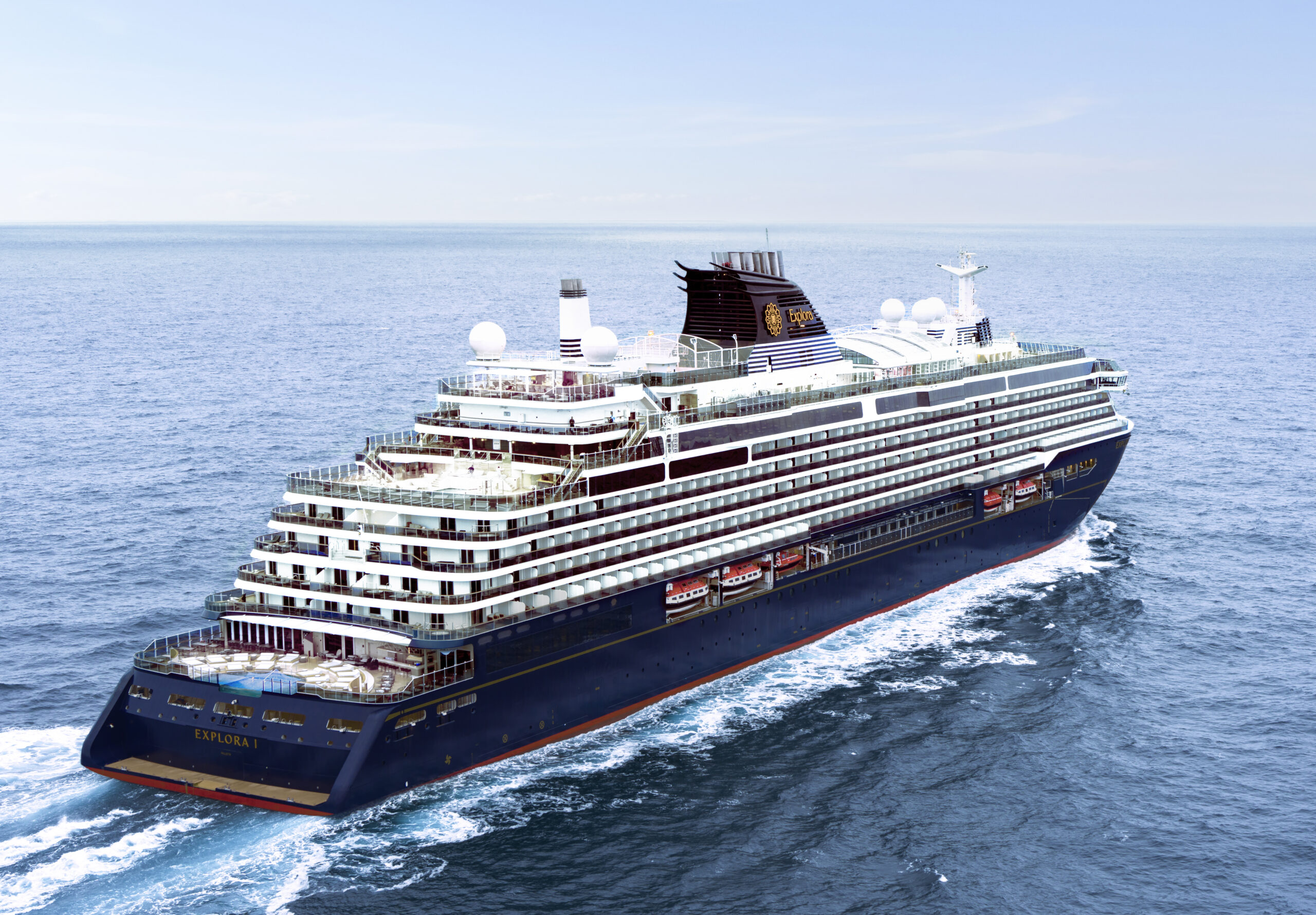
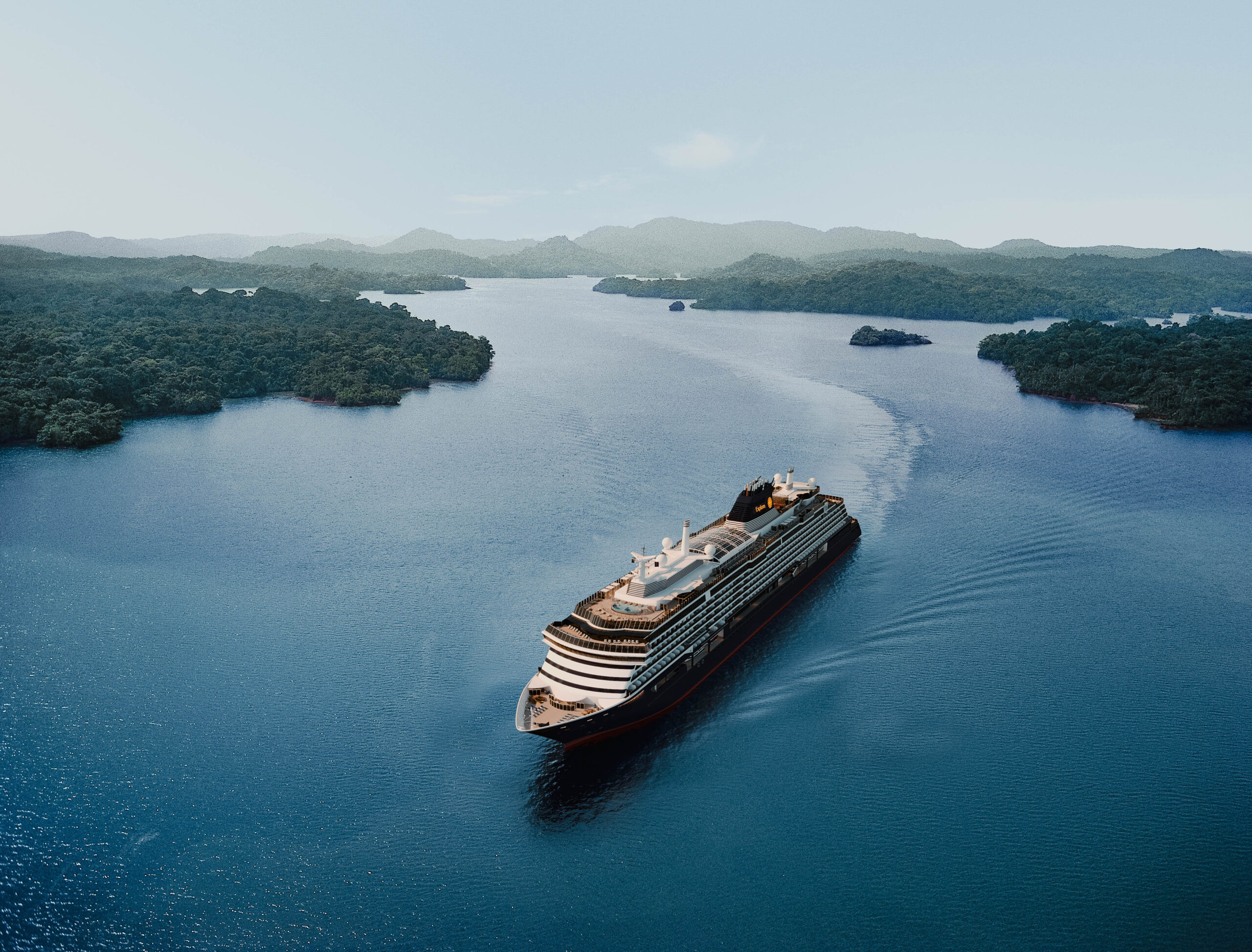
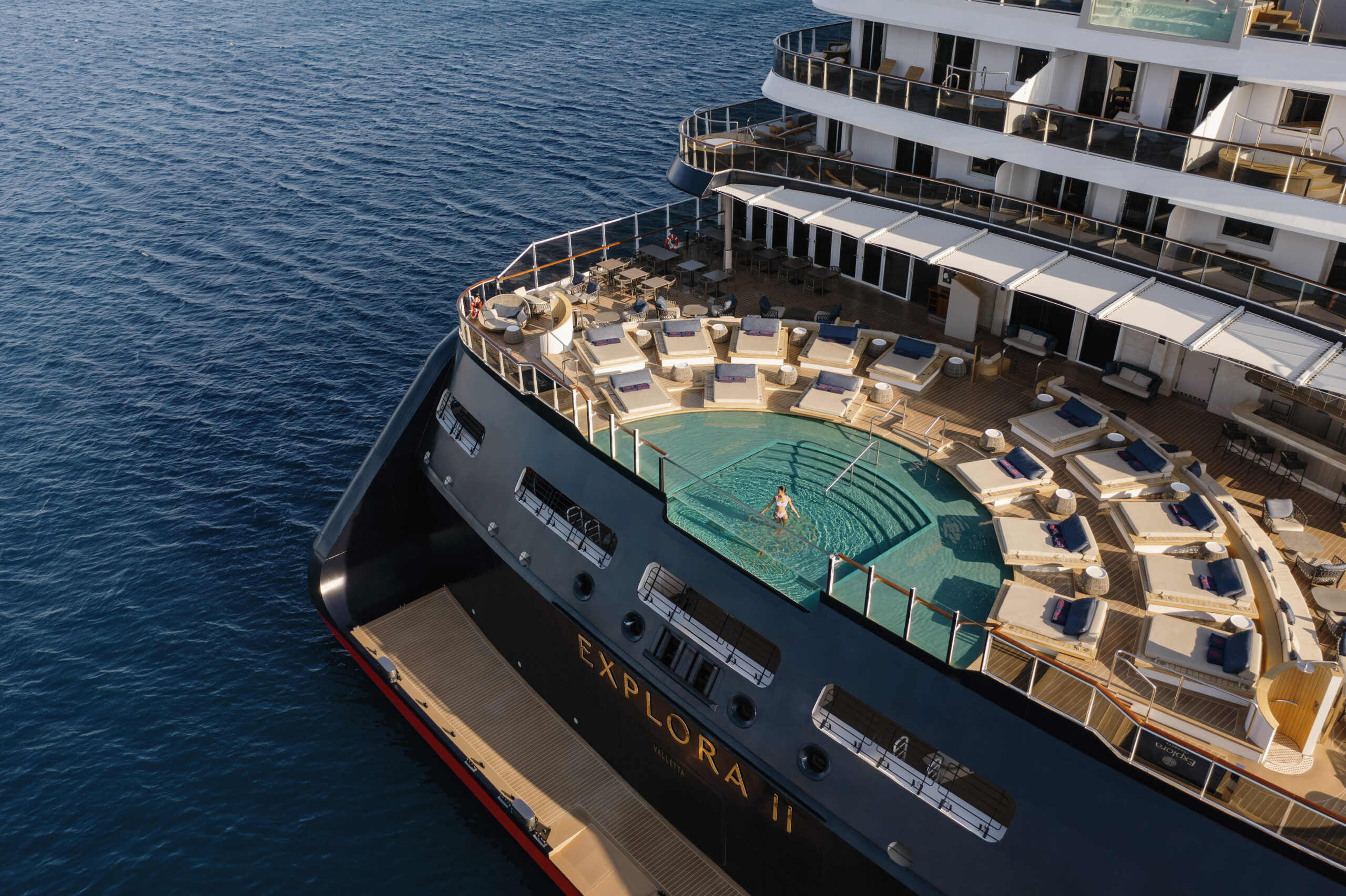
The first ship in Oceania’s Allura Class, Vista joined the fleet in 2023, with sister ship Allura setting sail in 2025. These ships represent an exciting evolution and offer elevated dining options, accommodation, and guest experience.
The Allura Class ships promise to enhance and redefine the
Oceania onboard experience, with chic residential-style
accommodation, all ocean facing with either French or full private
balcony, and a plethora of eye-catching public spaces that combine
dramatic architectural flourishes with the relaxed intimacy for
which Oceania is known. These are also the first Oceania ships to
include dedicated staterooms for solo travellers, and you can
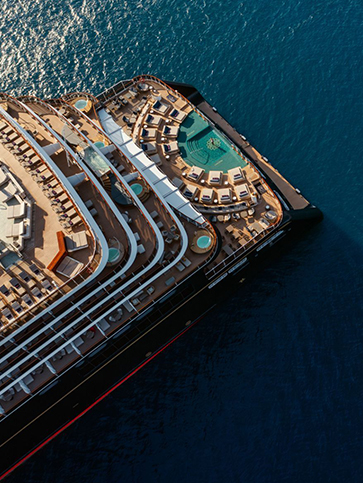
expect innovative dining venues, a serene spa and a stunning pool
deck.
The busy port of Tarragona, situated on the Catalan coast to the south of Barcelona, is a city full of history. This was the base from which the Romans launched their conquest of the Iberian peninsula, and there are plenty of reminders of this period, including an impressive seafront amphitheatre.
The bustling fishing village of Palamós is one of the loveliest spots on the Costa Brava, surrounded by beautiful beaches and rugged coves. You can also use your stop here as a jumping off point for exploring nearby medieval villages, the historic city of Girona or the fantastic Salvador Dalí museum in Figueres.
The down-to-earth port of Sète, sandwiched between the Mediterranean and the Etang de Thau lagoon, is a working town rather than a tourist hotspot, though the canals and colourful buildings have a certain charm. It’s also a great spot for a seafood lunch, and a visit to the nearby citadel of Carcassonne is a popular excursion.
The rumbustious port of Marseille often gets a bad press, but the city has been transformed in recent years, with a host of new cultural attractions. The vibrant Vieux Port remains at the heart of life in Marseille, however, and is the best place to begin your exploration of the city’s many historic sights.
La Spezia is a busy port and Italy’s most important naval base, on the Ligurian coast to the south east of Genoa. The town itself has a certain authentic charm and an atmospheric old town, though you’ll most likely just be passing through en route to the beautiful villages of the nearby Cinque Terre.
The island of Elba, just off the Tuscan coast, is where Napoleon Bonaparte was famously forced to live in exile between 1814-15. It’s hard to feel too sorry for him, though; the views from his plush Villa dei Mulini, situated high above the town of Portoferraio, are quite spectacular.
One of the world’s great cities, Rome continues to dazzle and delight visitors with a potent mix of architectural marvels, continent-defining history and buzzing nightlife. The Colosseum, the Vatican and the Forum are among the big ticket items, with the crowds to match, though in truth you will find history around almost every corner.
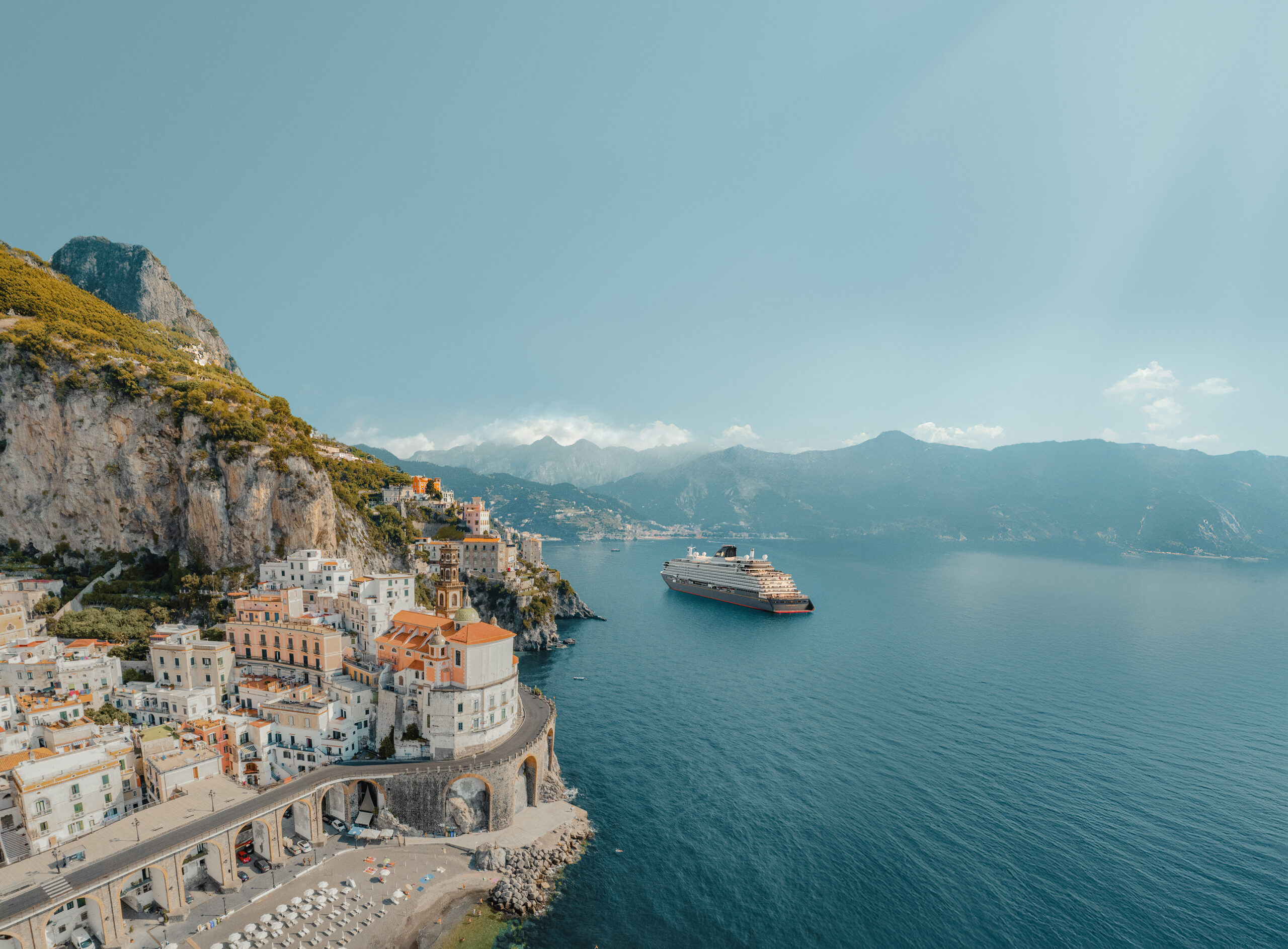
The UNESCO World Heritage-listed centre of Naples rewards exploration, and in addition to the many cultural treasures waiting to be unearthed Neapolitans are rightly proud of their food; this is where you’ll find the best pizza in Italy. The city also acts as a gateway to the fascinating remains of Pompeii and Herculaneum, and the beautiful Amalfi coast.
Situated on the north eastern tip of Sicily, so close to the Italian mainland you can almost touch it, Messina is the busy main entry point to the island. The city was flattened by an earthquake in 1908, and again by Allied bombing in 1943, so few historical sights remain, although the cathedral is one of Sicily’s most impressive.
Malta’s tiny capital, established by the Knights of St John, packs in an awful lot of history considering its diminutive size. The atmospheric old streets, bathed in Mediterranean sunshine, are full of attractive honey-golden buildings, along with an impressive selection of bars and restaurants.
Situated on the western edge of Sicily, closer to Tunis than it is to Rome, the historic port of Trapani has a discernible North African feel to it. This was once an important medieval trading centre that linked Carthage and Venice, and the lovely old town is a great place to spend some time exploring.
Tunisia’s capital is a whirlwind of energy, the narrow lanes of the old medina packed with people and the roads noisy with traffic. The more orderly streets of the Ville Nouvelle are home to some handsome colonial buildings, while the ruins of ancient Carthage make for a fascinating day trip.
Sardinia’s capital is a fascinating patchwork of historical architecture and vertiginous streets, crowned by the old hilltop citadel of Il Castello. Explore the island’s history at the Museo Archeologico, where you can learn about Sardinia's ancient Nuragic civilisation.
Cartagena was founded by the Carthaginians around 227 BC, who named it after their home city in North Africa. These days the city is best known for its well-preserved Roman theatre, which was remarkably only discovered in 1987, in spite of its location in the centre of town.
Spain’s third city is a dazzling destination that combines historic architecture, cutting edge design and an inviting stretch of beach. Don’t miss the futuristic City of Arts and Sciences, designed by local architect Santiago Calatrava, or the old riverbed, now a delightful park.
From the warren-like medieval streets of the Barri Gòtic to the fantastical modernist architecture of Antoni Gaudí, from the dizzy heights of Mount Tibidabo to the golden sands of Barceloneta, there’s never a dull moment in Barcelona.