From Athens (Piraeus) to Aqaba · Mediterranean · 21 nights
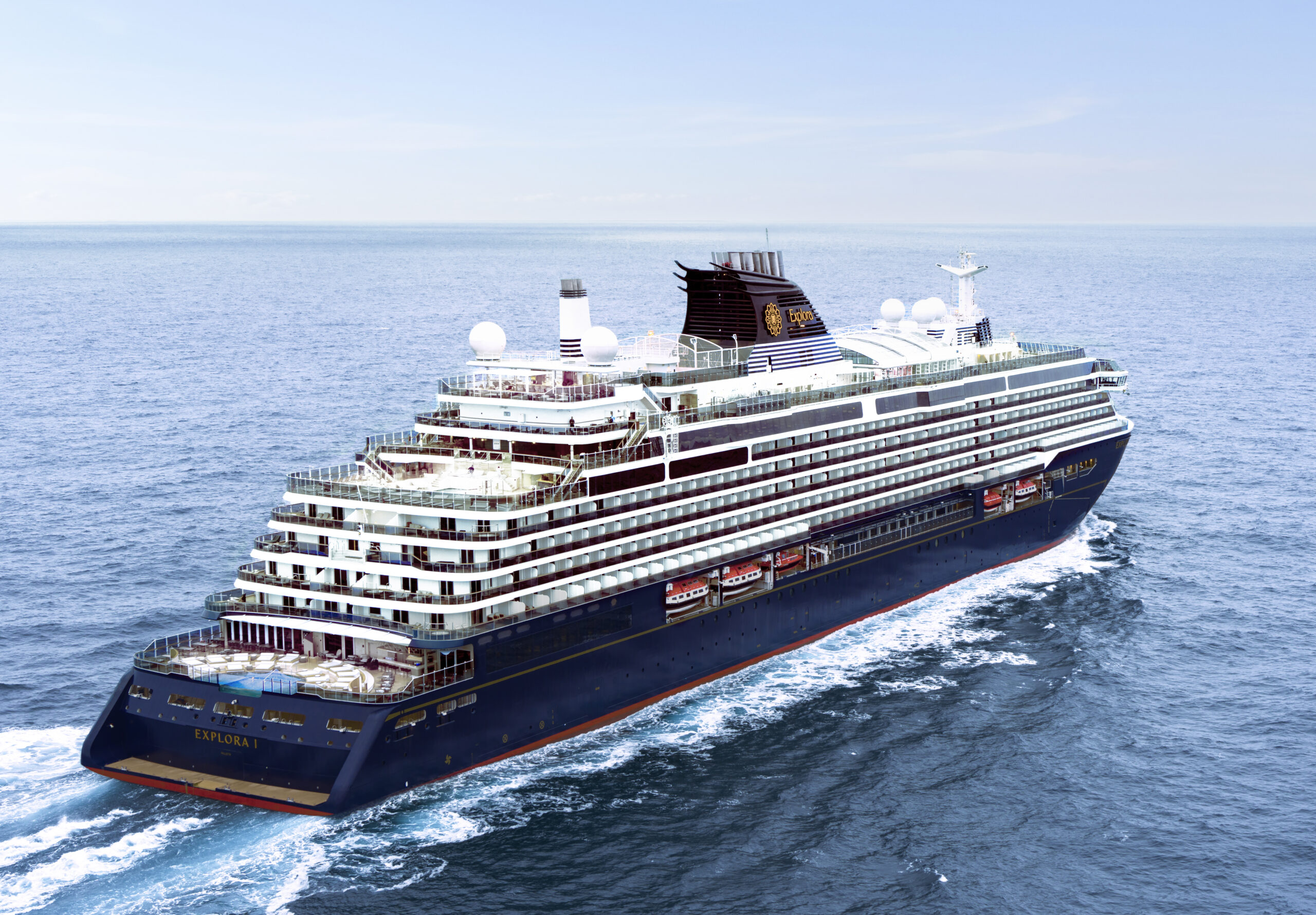
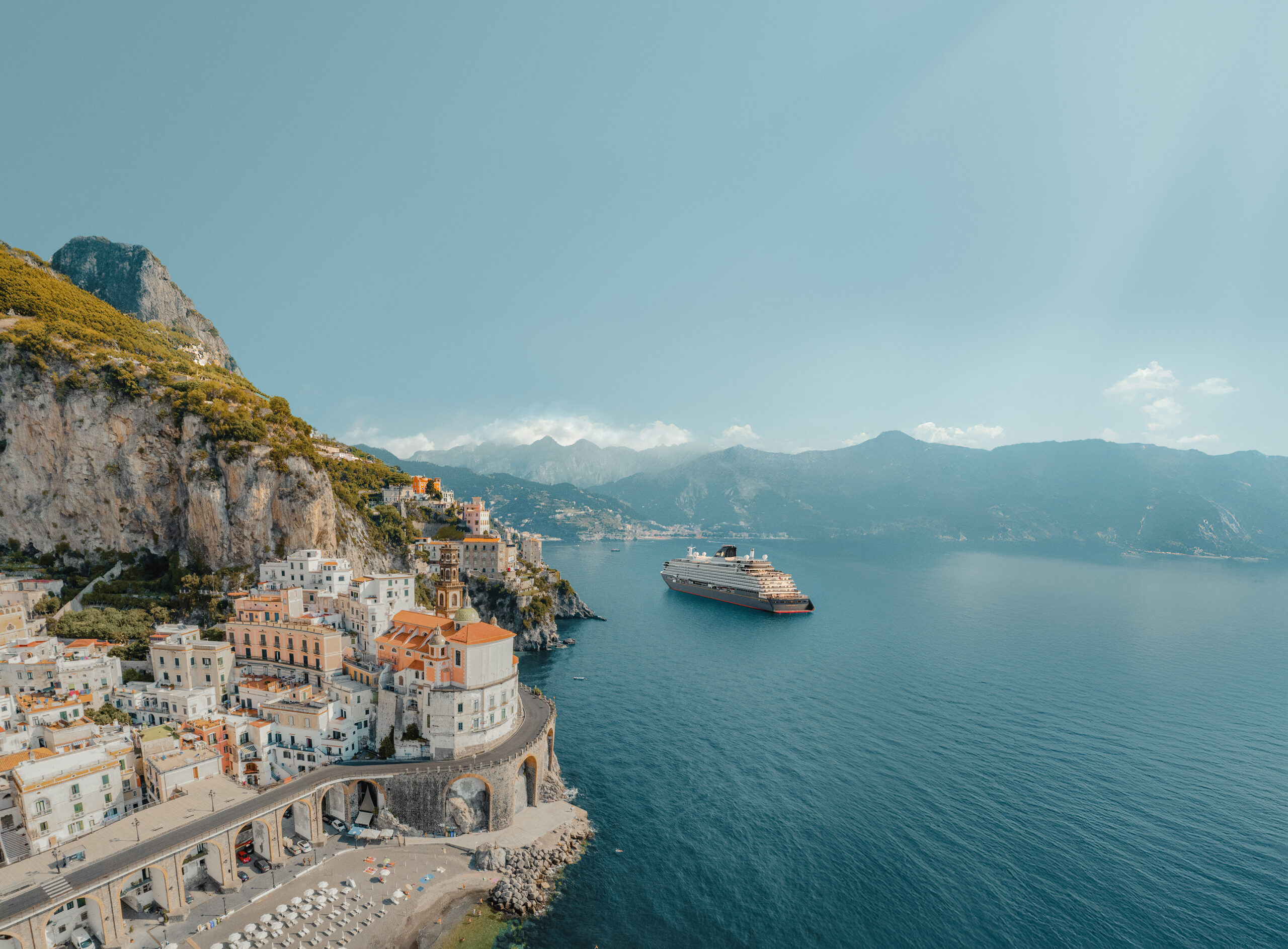
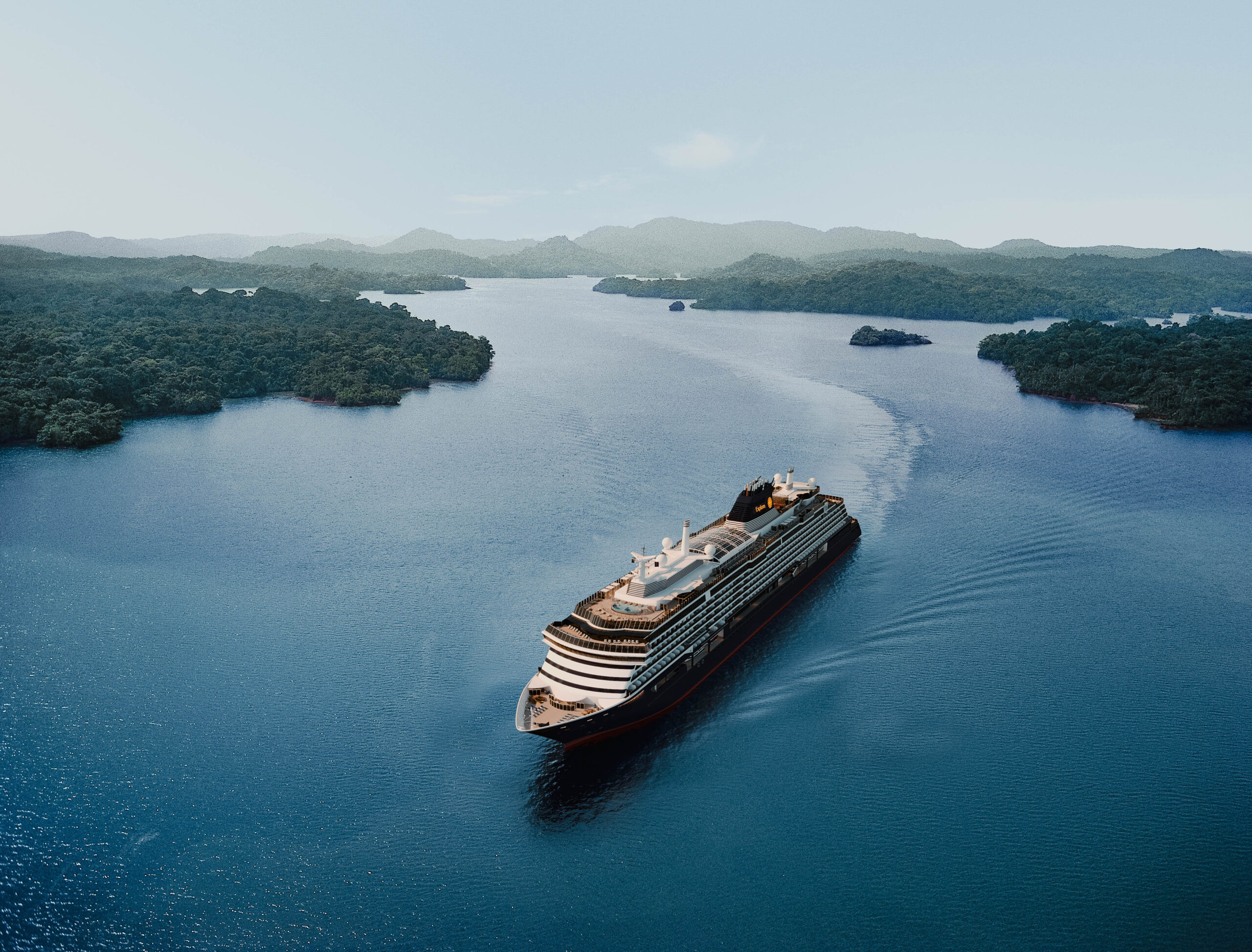
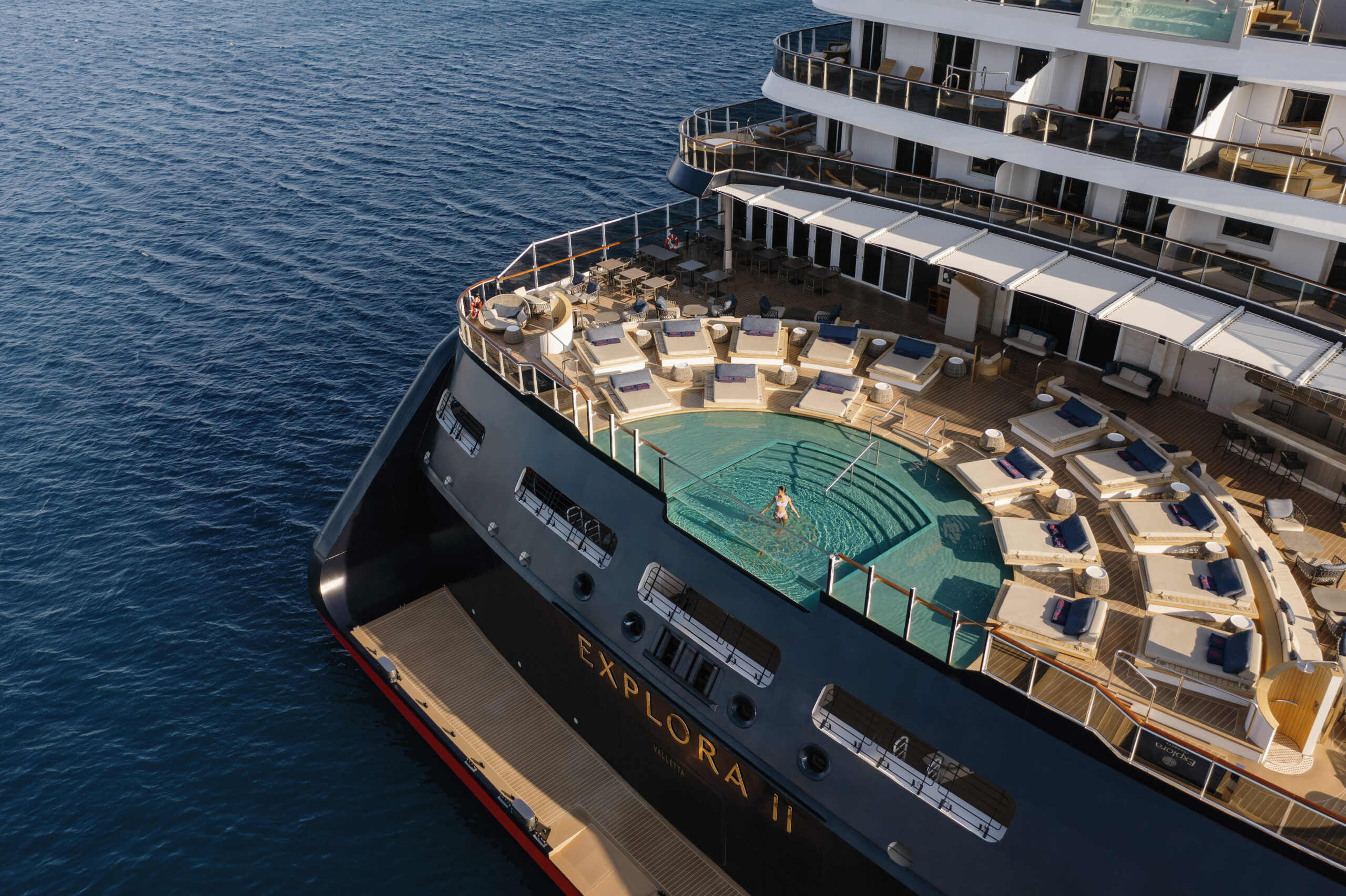
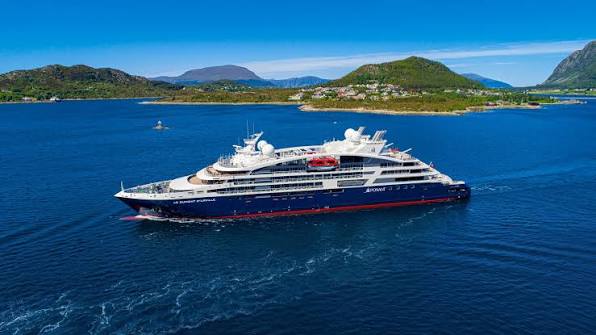
The third innovative luxury yacht from Emerald Cruises which launched in April 2026, Emerald Kaia represents an exciting evolution in intimate small-ship cruising.
Following the success of sister ships Emerald Azzurra and
Emerald Sakara, Emerald Cruises unveils a brand-new luxury yacht,
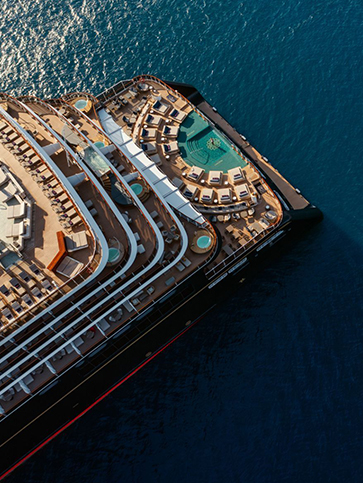
Emerald Kaia. This new yacht features enhanced spaces on board
including an Observation Sun Deck at the bow, and a reimagined Sky
Deck area, perfect for soaking in the views, and operates
itineraries in the Mediterranean and Seychelles.
Athens is a city awash with historical and cultural significance. Towering over the city are the gleaming columns of the Parthenon, surely one of the most iconic sights in the whole of Europe. And yet Athens is much more than an open air museum; this is a dynamic, bustling metropolis, and a place where history is still very much unfolding. For all its faults, the Greek capital possesses an energy and an optimism that are manifest in everything from the burgeoning art scene to the restaurants and bars that continue to pop up on a regular basis.
Glamorous Mykonos is the most popular of the Cyclades islands, well known as a haunt of the rich and the famous. It’s also the gateway to the nearby island of Delos, home to one of the most important archaeological sites in Greece.
Saint John is said to have written the Book of Revelations in a cave on Patmos, and today the spot is marked by the hillside Monastery of the Apocalypse. As well as spirituality, the island is known for its beaches and upmarket vibe, with a scattering of stylish restaurants and bars.
The volcanic island of Santorini (known officially as Thira) is one of the most spectacularly beautiful in the Mediterranean. The pretty village of Oia, with its whitewashed houses and windmills tumbling down the hillside, is particularly photogenic.
Kos is the second largest of the Dodecanese Islands after Rhodes, and is best known for its excellent beaches. There are plenty of cultural treasures here too: Kos Town’s harbour is guarded by an impressive castle built by the Knights of St John, and the island is scattered with Greek and Roman ruins.
Bodrum is one of the trendiest destinations on Turkey’s Aegean coast, with plenty of private yachts bobbing alongside the traditional gulet boats in the harbour. Whitewashed buildings draped in bougainvillea give the town a Greek feel, overlooked by the imposing 15th century crusader castle.
Sun-kissed Rhodes, the largest of the Dodecanese islands, is steeped in history; the medieval heart of Rhodes Town was once home to the crusading Knights of St John, and later fell to the Ottoman sultan Suleiman the Magnificent. The hillside village of Lindos, with its pretty whitewashed houses, is another highlight.
Antalya is the biggest and busiest city on the Turkish Riviera, though there’s more to this place than just roasting on a beach. The historic Kaleiçi district is full of lovingly restored Ottoman mansions, and top attractions include the superb collection of classical treasures at the Antalya Museum, with pieces from the nearby archaeological sites of Perge and Aspendos.
Named European Capital of Culture in 2017, Paphos actually consists of two towns. Ktima, the Upper Town, is home to elegant colonial architecture and several museums, while Kato Pafos, the Lower Town, is more geared towards tourism, with bars, souvenir shops and the impressive Archaeological Park.
Most visitors to Larnaca head straight from the airport to one of Cyprus’s many beach resorts, skipping the city altogether, which is a great shame. Highlights include the palm-lined Finikoudes seafront promenade, the ancient church of Agios Lazaros, and Skala, the atmospheric former Turkish quarter.
Named European Capital of Culture in 2017, Paphos actually consists of two towns. Ktima, the Upper Town, is home to elegant colonial architecture and several museums, while Kato Pafos, the Lower Town, is more geared towards tourism, with bars, souvenir shops and the impressive Archaeological Park.
Ain Sukhna is the nearest Red Sea port to Egypt's capital, Cairo. Obviously the highlight of your visit may well be the Pyramids and Sphinx at Giza, but on no account neglect a visit to the Egyptian Museum, which has a truly stupendous collection of ancient artefacts, not least, of course, the Tutankhamen treasures.
Sharm El-Sheikh is Egypt’s most popular beach resort, situated on the Red Sea coast on the Sinai Peninsula. The wonderfully warm waters of the Ras Mohamed National Park offer fantastic snorkelling and diving, and other nearby attractions include the impressive Byzantine-era St Catherine’s Monastery.
The former fishing village of Hurghada is now a rather overdeveloped resort town, popular as a base for diving and snorkelling in the Red Sea. If your ship is here overnight it’s possible to head inland and visit the magnificent ancient treasures of Luxor.
Safaga is the nearest sea port to Luxor, and ships often stop here overnight to give you time to see everything. Prepare to be amazed – the thin belt of greenery along the banks of the Nile gives Luxor a lush setting for an extraordinary collection of tombs and temple complexes that hint at the magnificence of this former Ancient Egyptian capital.
Aqaba is Jordan’s principal beach resort, situated on the Red Sea coast close to the Israeli border. The main attraction in Aqaba itself is the incredible diving, though many visitors will choose to instead use the port as a jumping off point for the 'Rose City' of Petra and the desert landscapes of Wadi Rum.