
From Budapest to Bucharest · Europe (River) · 15 nights
From Budapest to Bucharest
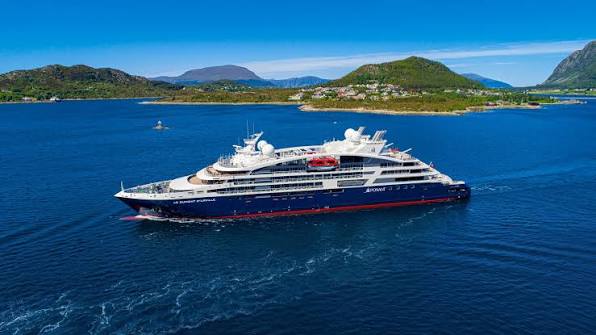
Scenic Crystal, Jewel and Jade accommodate 163 guests in stylish surroundings and offer a luxurious way to explore the great rivers of Europe.
Sleek and contemporary, with an extensive list of onboard
inclusions, Scenic’s aptly named Space-Ships are renowned for their
high levels of personal service, relaxed ambience and inviting
public areas.
Budapest is one of Eastern Europe's most appealing cities, a vibrant and welcoming capital that straddles the Danube. The history of Budapest has been somewhat turbulent - ransacked by the Mongols in 1241, occupied by the Ottoman Turks for over a century, and almost flattened by the Soviets in 1945 - but plenty of older buildings survive, including the imposing Parliament and iconic St Stephen's Basilica. Although a pedant might point out that Budapest has only really existed since 1873; up until then the city's two distinct halves, Buda and Pest, were separate towns.
Bratislava, Slovakia’s quaint little capital, straddles the Danube close to the border with Austria and Hungary. The compact old town is the best place to begin your exploration, before heading up to the hilltop castle for commanding views of the city and surrounding countryside.
Budapest is one of Eastern Europe’s most appealing cities, a vibrant and welcoming capital that straddles the Danube. The history of Budapest has been somewhat turbulent, but plenty of beautiful buildings survive, including the imposing Parliament and iconic St Stephen’s Basilica.
Kalocsa is known for its paprika, the ‘red gold’, used to flavour Hungary’s national dish, goulash. Look out for garlands of paprika hanging from the walls of local houses. The town is also famous for its beautiful embroidery, and excursions may take you out into the grassy steppe of the Puszta region.
Mohács was the scene of a decisive battle in 1526 that brought Hungary under Ottoman control, but is best known these days for its Busó carnival in February, when men in creepy-looking costumes take to the streets to celebrate the end of winter. The town is also a jumping off point for the attractive city of Pécs, half an hour’s drive away.
Vukovar is one of the great tragedies of the Balkan wars, a once prosperous and elegant city reduced to rubble by fierce fighting between Croats and Serbs. There are green shoots of optimism as the city rebuilds, but the battle-scarred streets are a powerful reminder of the devastating conflicts of the 1990s.
Novi Sad is a vibrant and friendly city with a lovely riverside setting. Handsome Austro-Hungarian architecture is a reminder of past glories, while the imposing Petrovaradin Fortress has become the unlikely setting for one of Europe’s biggest music festivals, Exit, which began life as a student protest against the government.
Belgrade has been invaded and occupied dozens of times over the centuries, a fact that's reflected in the mish-mash of architectural styles, from Ottoman and Art Nouveau to grim relics of the communist era. But Belgrade is also a city with real soul, emerging from a difficult recent history as one of Europe’s most exciting capitals.
The riverside town of Vidin is situated in the north west corner of Bulgaria, close to the border with Romania and Serbia. The architectural highlight is the magnificently well preserved Baba Vida fortress, and the town is also home to a mosque, a synagogue and several churches.
The Bulgarian city of Ruse (also written ‘Rousse’) sits on the right bank of the Danube just opposite the Romanian city of Giurgiu, and is one of the country’s most attractive cities. Sometimes known as ‘Little Vienna’, thanks to the plethora of Neo-Baroque and Neo-Rococo architecture, it’s a highlight of any cruise along this stretch of the Danube.
The riverside town of Silistra, situated in northeastern Bulgaria, was once the Roman settlement of Durostorum, a heritage you can explore at the interesting Archaeological Museum. You can also visit the town’s Ottoman era fort or take a trip out into the surrounding countryside.
Constanta, Romania’s largest Black Sea port, is not the most attractive city in the world, but it does have some interesting history; founded by the Greeks over 2,500 years ago, the city was home to the Roman poet Ovid after he was exiled here by the Emperor Augustus in 8 AD. It's also located close to the wildlife-rich Danube Delta, home to pelicans, white-tailed eagles, egrets and more.
Once known as the ‘Paris of the East’, it’s fair to say that modern Bucharest bears some pretty ugly architectural scars from the 22-year dictatorship of the late Nicolae Ceau?escu. Looks aren’t everything though, and Romania’s capital has emerged from the ashes of communism as a feisty, dynamic city.