From Constanta to Budapest · Europe (River) · 12 nights
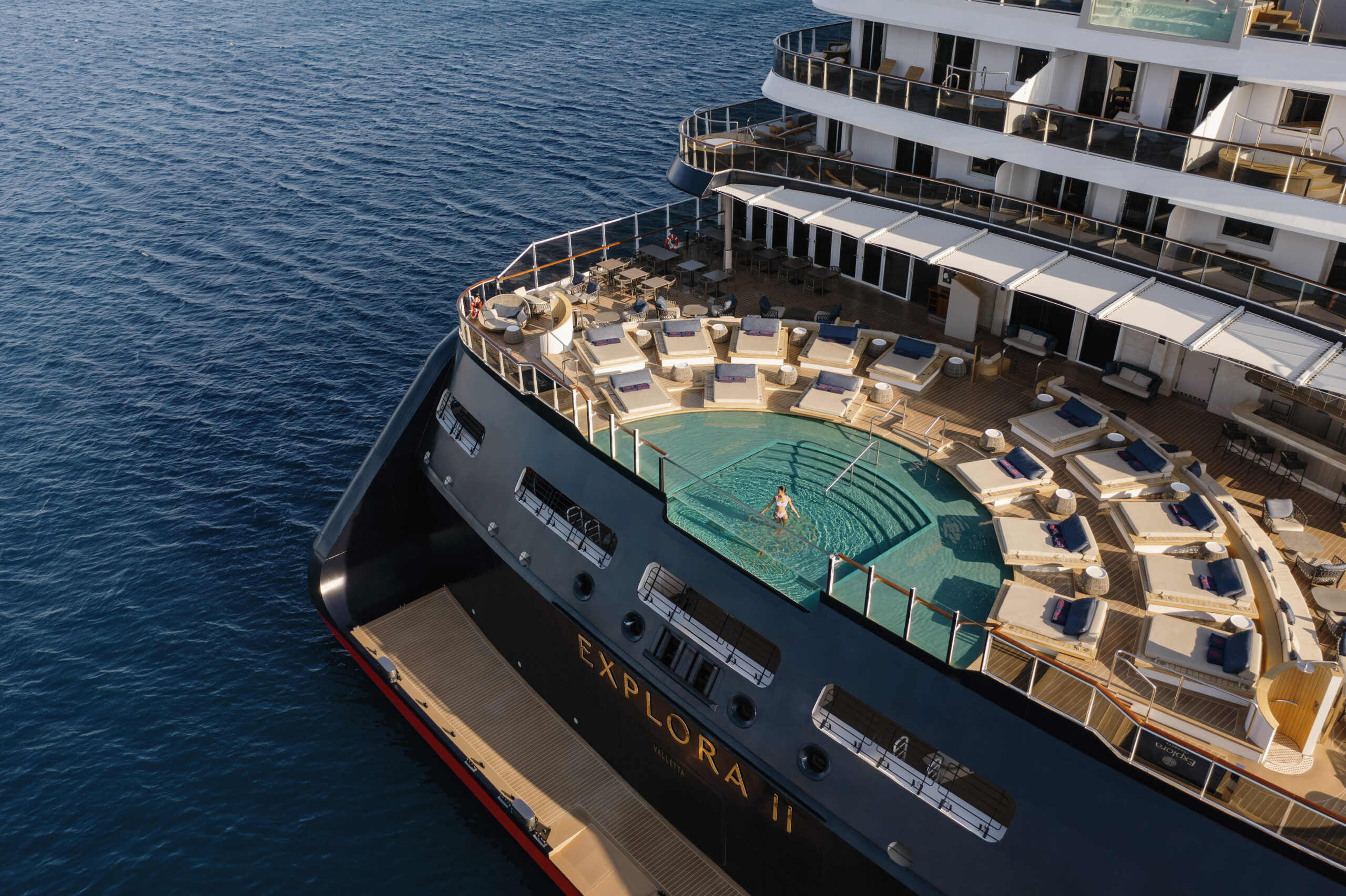
Tauck’s Jewel-class vessels offer spacious suites, a choice of restaurants and comfortable public areas including an expansive sundeck.
Rich woods and plush fabrics give these ships a luxurious feel.
The alternative restaurant with outside seating at the back is an
idyllic place for a relaxed lunch as you cruise to your next call
and the regional cuisine served in the Dining Room is
excellent.
Once known as the ‘Paris of the East’, it’s fair to say that modern Bucharest bears some pretty ugly architectural scars from the 22-year dictatorship of the late Nicolae Ceau?escu. Looks aren’t everything though, and Romania’s capital has emerged from the ashes of communism as a feisty, dynamic city.
Constanta, Romania’s largest Black Sea port, is not the most attractive city in the world, but it does have some interesting history; founded by the Greeks over 2,500 years ago, the city was home to the Roman poet Ovid after he was exiled here by the Emperor Augustus in 8 AD. It's also located close to the wildlife-rich Danube Delta, home to pelicans, white-tailed eagles, egrets and more.
The Bulgarian city of Ruse (also written ‘Rousse’) sits on the right bank of the Danube just opposite the Romanian city of Giurgiu, and is one of the country’s most attractive cities. Sometimes known as ‘Little Vienna’, thanks to the plethora of Neo-Baroque and Neo-Rococo architecture, it’s a highlight of any cruise along this stretch of the Danube.
The riverside town of Vidin is situated in the north west corner of Bulgaria, close to the border with Romania and Serbia. The architectural highlight is the magnificently well preserved Baba Vida fortress, and the town is also home to a mosque, a synagogue and several churches.
As the Danube wends its way east, along the border between Serbia and Romania, the river narrows to a dramatic gorge known as the Iron Gates. The river here is flanked by a huge stone carving of Decebalus, the last king of the Dacians and a Romanian national hero.
Belgrade has been invaded and occupied dozens of times over the centuries, a fact that's reflected in the mish-mash of architectural styles, from Ottoman and Art Nouveau to grim relics of the communist era. But Belgrade is also a city with real soul, emerging from a difficult recent history as one of Europe’s most exciting capitals.
Vukovar is one of the great tragedies of the Balkan wars, a once prosperous and elegant city reduced to rubble by fierce fighting between Croats and Serbs. There are green shoots of optimism as the city rebuilds, but the battle-scarred streets are a powerful reminder of the devastating conflicts of the 1990s.
Budapest is one of Eastern Europe’s most appealing cities, a vibrant and welcoming capital that straddles the Danube. The history of Budapest has been somewhat turbulent, but plenty of beautiful buildings survive, including the imposing Parliament and iconic St Stephen’s Basilica.