From Hamburg to Palma de Mallorca · Mediterranean · 16 nights
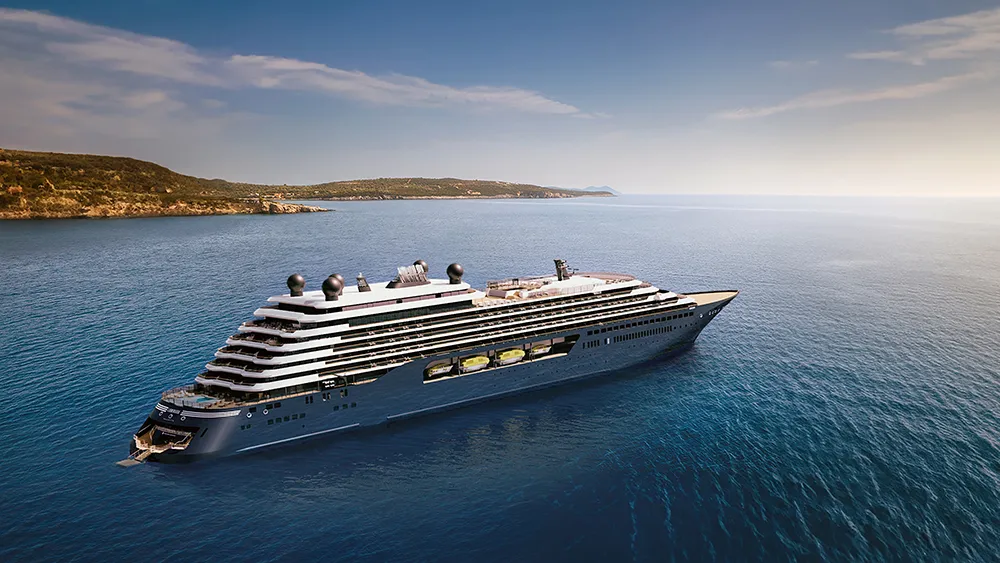
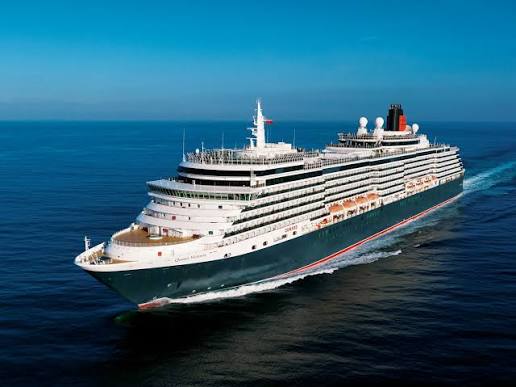
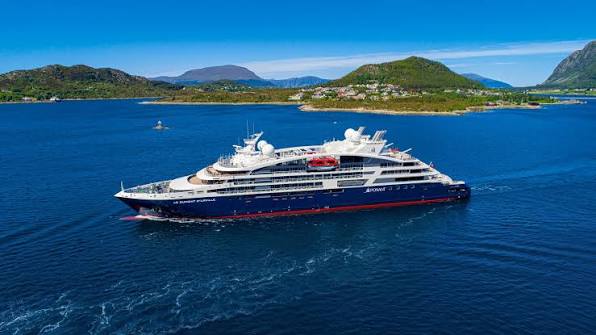
Part of Hapag-Lloyd Cruises’ award-winning fleet, MS Europa will operate bilingually in German and English beginning in January 2026, opening a whole host of exciting voyages for the English-speaking market and offering a laid-back small ship cruising experience.
MS Europa, like the rest of the Hapag-Lloyd Cruises fleet, is
awarded five stars year after year by Insight Guides Cruising &
Cruise Ships, formally the Berlitz Cruise Guide, and offers a
relaxed and stylish ambience on board. From January 2026, MS Europa
will operate bilingually, in German and English, opening up plenty
of exciting itineraries for our discerning guests.
Known locally as 'the gateway to the world', the port of Hamburg has a rich maritime history. Of course the city has its seedy side, as characterised by the old red light district around the Reeperbahn, but it's also a vibrant, progressive city with some excellent museums, galleries and theatres.
Situated on the southern bank of the Seine estuary, Honfleur was once one of France’s most important ports. It was also a favourite location of Monet and the Impressionists, and art lovers may well recognise the elegant Renaissance architecture of the old harbour, the Vieux Bassin.
Saint-Malo grew rich off the back of maritime trade and its plundering corsairs, a seafaring heritage that is still proudly on display today. It’s great fun getting lost in the streets of the walled old town, and the famous medieval abbey of Mont Saint-Michel is an easy day-trip.
Gijón is the largest city in the Asturias region of northern Spain, an important industrial port but also a lively and youthful place, ideally positioned for exploring the Costa Verde. The most interesting area is the historic fishing village of Cimadevilla, which sits on a peninsula that divides the bay in two.
Blessed with a dramatic setting on the steep banks of the river Douro, Portugal’s second city is currently enjoying something of a renaissance, and is best known as the home of the country’s most famous export, port wine.
Spread across steep hillsides that overlook the Rio Tejo, Lisbon’s colourful cityscape includes Gothic cathedrals, majestic monasteries and quaint museums. But for many the best times will be had wandering the narrow lanes of Lisbon’s lovely backstreets, with their great local food, wine and music.
Portimão is a bustling fishing port and gateway to the Algarve, with a pleasant riverside promenade where the smell of sizzling sardines fills the air. The most popular attraction is Praia da Rocha just to the south, one of the Algarve’s loveliest beaches.
The crumbling, sun-baked seafront city of Cádiz is said to be the oldest continuously inhabited settlement in the western world, founded by the Phoenicians around 1100 BC. Although the city lacks any obvious landmarks, it’s rich in atmosphere, and plays host to one of Spain’s most colourful carnivals.
Málaga boasts plenty of chic restaurants and bars where you can ease into the rhythms of life in southern Spain, before exploring sights including the intriguing, unfinished Gothic cathedral, and a museum devoted to the city's most famous son, Pablo Picasso.
Smaller than Mallorca and mellower than Ibiza, Menorca is rightly feted for its beautiful, unspoilt beaches. The laid back capital, Mahón, is set on the Mediterranean’s largest natural harbour, and the city’s striking Georgian architecture is a reminder of the 18th century British occupation of the island.
Mallorca is renowned for its beaches, ranging from big, bustling resorts to small, secluded coves. The island interior offers ruggedly beautiful scenery and quaint little towns, while the charming capital, Palma, boasts an attractive old quarter dominated by the imposing Gothic cathedral.