From Bucharest to Amsterdam · Europe (River) · 23 nights
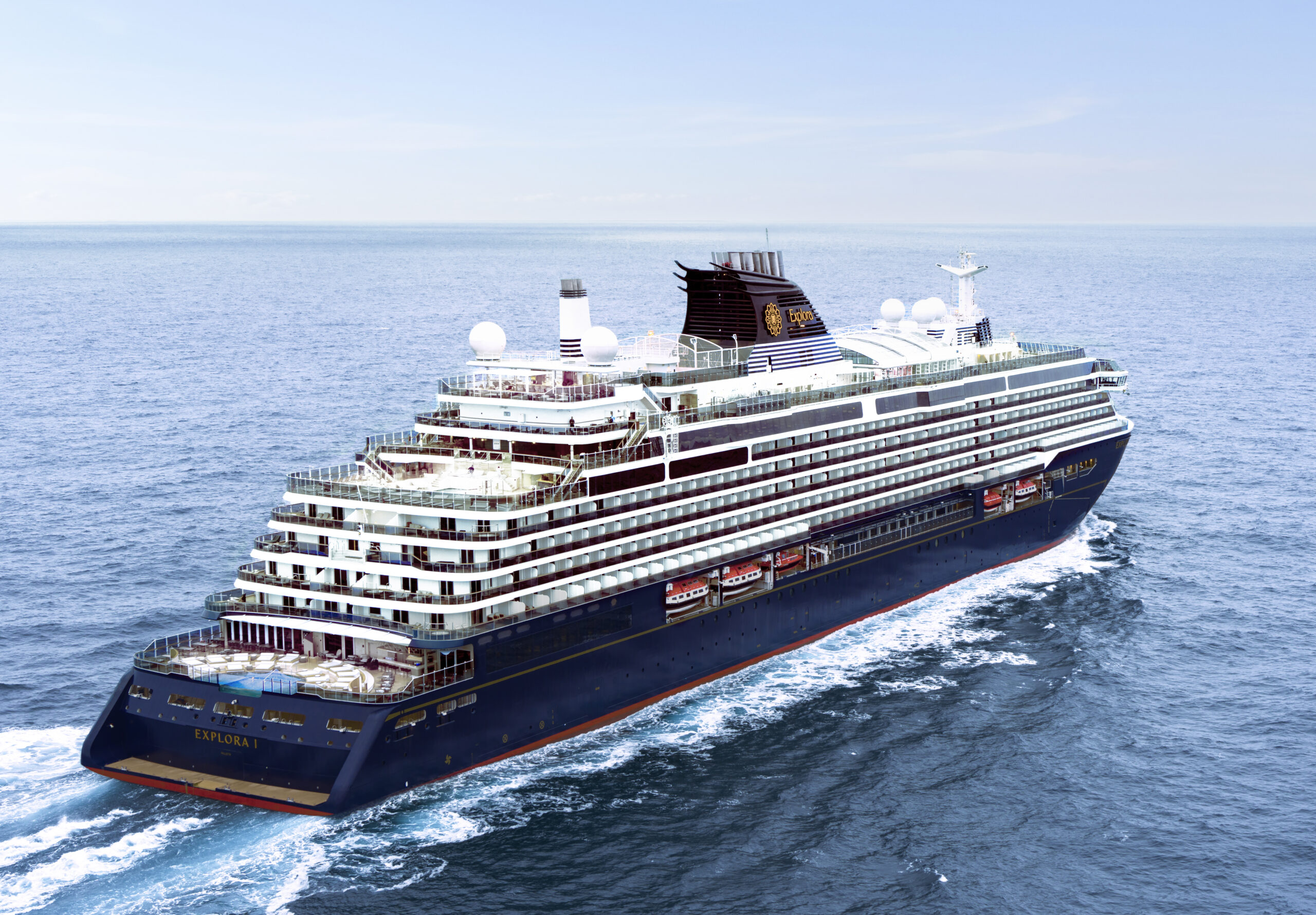
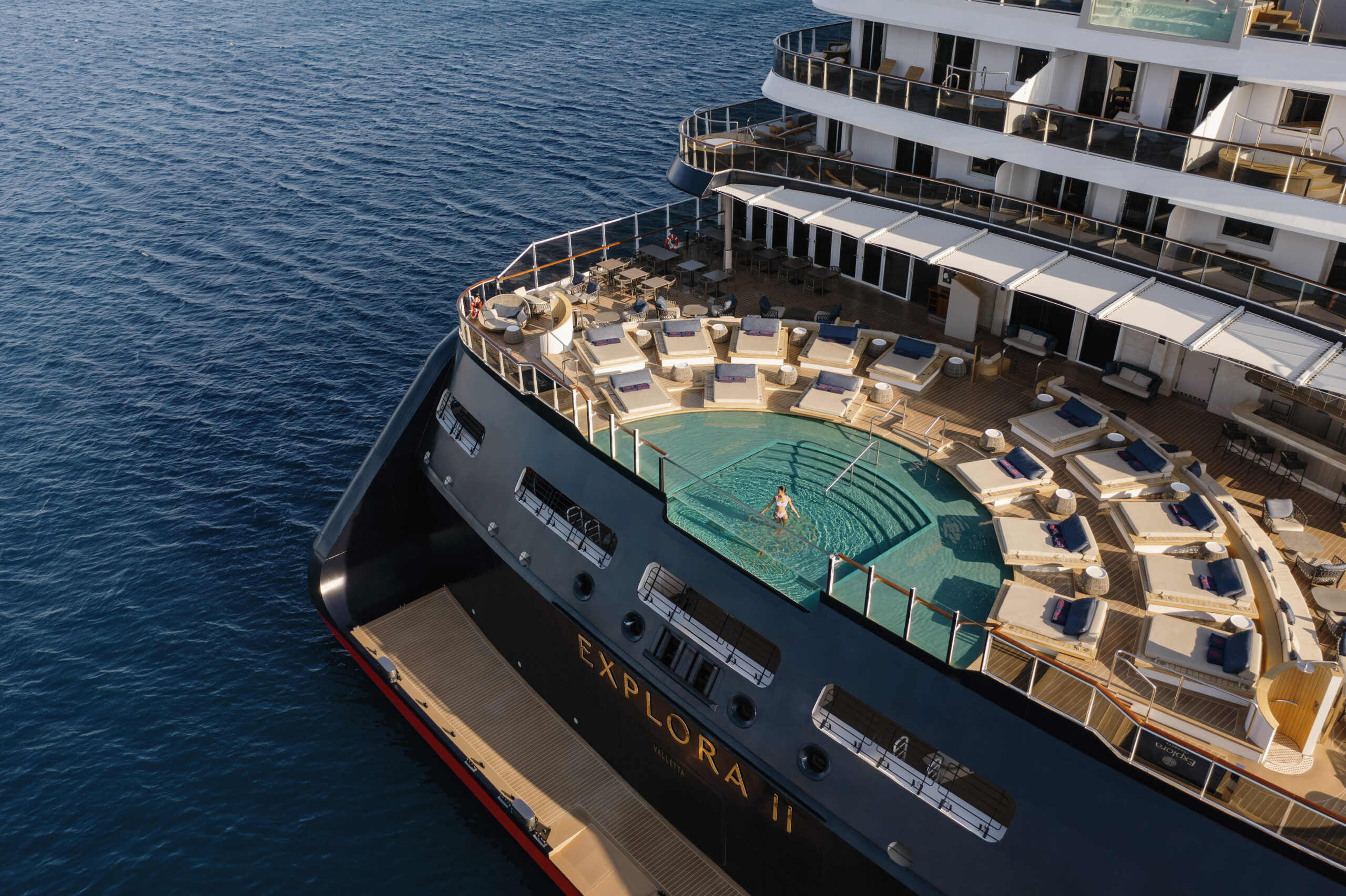
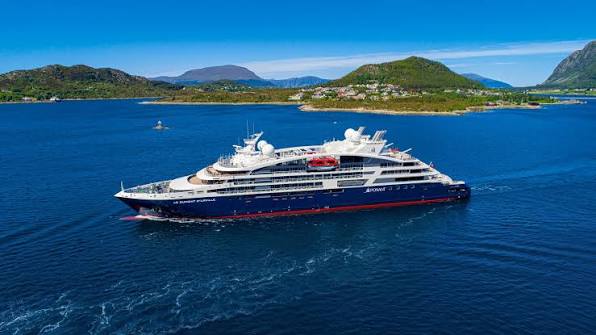
The vessel formerly known as the River Beatrice was fully refurbished in 2018, reborn as a stylish and modern ‘Super Ship’.
Uniworld’s ships really do stand out from the crowd, unmatched
in their opulent style and individual features. Every detail of the
ship has been carefully considered to create an environment which
enhances your itinerary, providing supreme levels of comfort and
reflecting the region in which you’re travelling.
Once known as the 'Paris of the East', it's fair to say that modern Bucharest bears some pretty ugly architectural scars from the 22-year dictatorship of the late Nicolae Ceau?escu. Of all the concrete monstrosities bequeathed by Ceau?escu, the enormous Palace of Parliament is both the most grotesque and the most fascinating, a monument to one man's staggering vanity. Looks aren't everything though, and Romania's capital has emerged from the ashes of communism as a feisty, dynamic city with some lovely parks, interesting museums and a lively nightlife.
The Bulgarian city of Ruse (also written ‘Rousse’) sits on the right bank of the Danube just opposite the Romanian city of Giurgiu, and is one of the country’s most attractive cities. Sometimes known as ‘Little Vienna’, thanks to the plethora of Neo-Baroque and Neo-Rococo architecture, it’s a highlight of any cruise along this stretch of the Danube.
The riverside town of Vidin is situated in the north west corner of Bulgaria, close to the border with Romania and Serbia. The architectural highlight is the magnificently well preserved Baba Vida fortress, and the town is also home to a mosque, a synagogue and several churches.
As the Danube wends its way east, along the border between Serbia and Romania, the river narrows to a dramatic gorge known as the Iron Gates. The river here is flanked by a huge stone carving of Decebalus, the last king of the Dacians and a Romanian national hero.
Belgrade has been invaded and occupied dozens of times over the centuries, a fact that's reflected in the mish-mash of architectural styles, from Ottoman and Art Nouveau to grim relics of the communist era. But Belgrade is also a city with real soul, emerging from a difficult recent history as one of Europe’s most exciting capitals.
Vukovar is one of the great tragedies of the Balkan wars, a once prosperous and elegant city reduced to rubble by fierce fighting between Croats and Serbs. There are green shoots of optimism as the city rebuilds, but the battle-scarred streets are a powerful reminder of the devastating conflicts of the 1990s.
Budapest is one of Eastern Europe’s most appealing cities, a vibrant and welcoming capital that straddles the Danube. The history of Budapest has been somewhat turbulent, but plenty of beautiful buildings survive, including the imposing Parliament and iconic St Stephen’s Basilica.
Formerly the centre of the Habsburg Empire, Vienna is as grand a European capital as you can imagine, jam packed full of thrusting, bombastic buildings that stand as a reminder of Austria’s glorious imperial heyday.
The cute little of village of Weissenkirchen is situated on the Danube in the picturesque Wachau Valley, and takes its name from a fortified 14th century Gothic church. It won’t take long to explore the village itself, but nearby attractions include the beautiful abbey at Melk.
The pretty Bavarian town of Passau, situated close to Germany’s border with Austria, enjoys a unique setting at the confluence of three rivers: the Inn, the Ilz and the Danube. The narrow cobbled streets of the handsome old town, the Altstadt, are quite delightful.
Originally founded by the Celts and later an important Roman settlement, Regensburg is one of Bavaria’s lesser known gems. Situated on the northernmost bend of the Danube, it’s a friendly and laid back city, with an exceptionally well preserved medieval centre.
Nuremberg, Bavaria’s second city, first pops up in the history books in 1050 as a stronghold of the Franks, and later became the unofficial capital of the Holy Roman Empire. Nowadays the city is a tourist magnet thanks to the beautifully restored old town, Christmas markets and excellent beer.
Bamberg’s eye-catching, UNESCO-listed old town is one of the most beautiful in all of Germany. The city was briefly capital of the Holy Roman Empire, and the city centre is still dominated by the 13th century cathedral. There are also plenty of breweries, and you shouldn’t leave without trying Bamberg’s famous smoked beer.
The handsome town of Würzburg, situated on the river Main between Nuremberg and Frankfurt, was ruled for centuries by a succession of powerful prince-bishops. Although much of the city was destroyed during the Second World War, the majestic 18th century Residenz palace stands as a testament to the wealth of the bishopric.
The picturesque medieval town of Wertheim sits at the confluence of the Main and Tauber rivers, and is known for its castle, cobbled streets and charming half-timbered houses. The surrounding countryside is perfect for a bike ride, a gentle hike or a wine tasting tour.
Frankfurt is the financial heart of Germany, a forest of silver skyscrapers that’s home to both the German and European Central Banks. This focus on commerce has led some to dismiss the city as a dull, soulless sort of place, but in fact Frankfurt buzzes with a real cultural vibrancy.
The pretty little town of Rüdesheim, situated on a bend in the Rhine surrounded by vineyards, is a popular destination for travellers looking for a slice of quintessentially German village life. The Drosselgasse, a narrow cobbled lane flanked by old timber frame buildings, is particularly atmospheric.
Cologne is a wonderfully warm and welcoming city, its skyline dominated by one of the most beautiful Gothic cathedrals in Europe. You will likely spend most of your time in the attractive Altstadt (Old Town), home to beer halls aplenty and some fascinating museums.
Amsterdam is one of our very favourite cities to visit, as well as also being a perfect base to explore the nearby landscape of windmills and dikes. There is a wealth of famous museums and galleries to choose from, such as the Van Gogh Museum, the Rijksmuseum and the Anne Frank House.