From Rouen to Lisbon · Mediterranean · 15 nights
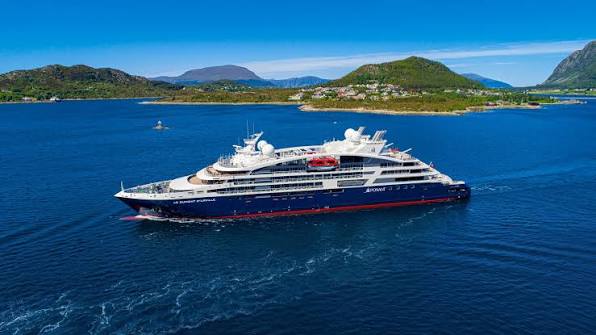
Windstar’s Star Plus Class of vessels – Star Pride, Star Legend and Star Breeze – each carry just over 300 guests and are hugely popular for very good reason.
These small ships accommodate 312 guests in large all-suite
accommodation, following the completion of the Star Plus
refurbishment programme in 2021 which saw the ships lengthened.
There’s a choice of restaurants, comfortable lounges, and plenty of
deck space, while the ship’s marina ensures you can enjoy the
complimentary watersports when anchored in hidden bays and tiny
coves.
Rouen has endured a turbulent history: it was here that Joan of Arc was burnt at the stake in 1431, and much of the city was destroyed during World War II. Many cruise visitors head straight for Paris, an hour away by train, which is a real shame since there's so much to see in Rouen itself, including a beautiful cathedral, the atmospheric Medieval quarter and museums aplenty.
Situated on the southern bank of the Seine estuary, Honfleur was once one of France’s most important ports. It was also a favourite location of Monet and the Impressionists, and art lovers may well recognise the elegant Renaissance architecture of the old harbour, the Vieux Bassin.
Saint-Malo grew rich off the back of maritime trade and its plundering corsairs, a seafaring heritage that is still proudly on display today. It’s great fun getting lost in the streets of the walled old town, and the famous medieval abbey of Mont Saint-Michel is an easy day-trip.
The island of Guernsey draws visitors south from the British mainland with its more favourable climate and beautiful coastline. The capital, St Peter Port, is a lovely little town of cobbled streets and elegant architecture, and there are also several interesting museums dedicated to the Nazi occupation of the island.
Lorient is an important fishing harbour and port on the Brittany coast, once home to the French East India Company, and was heavily damaged during the Second World War due to the presence of a German U-boat base. This is an excellent region for fresh seafood, and nearby attractions include the pretty Breton town of Quimper.
Bordeaux sits at the centre of the world's most famous wine region, and is home to a beguiling blend of beautiful buildings, sophisticated gastronomy and high culture. It's a marvellous place to spend some time, whether it's a day sampling wines, an evening at the opera or a night on the tiles.
It’s not so long ago that Bilbao was a grim and unappealing place, scarred by heavy industry, but the Basque Country’s biggest city has reinvented itself as a cultural hub since the opening of the shimmering Guggenheim Museum in 1997.
Gijón is the largest city in the Asturias region of northern Spain, an important industrial port but also a lively and youthful place, ideally positioned for exploring the Costa Verde. The most interesting area is the historic fishing village of Cimadevilla, which sits on a peninsula that divides the bay in two.
Vigo is the biggest city in Galicia, Spain’s verdant northwest corner. The city itself is a busy fishing port with limited tourist appeal, but it’s a great base for striking out into the countryside, visiting the lovely Cíes Islands just offshore or joining the pilgrims in Santiago de Compostela, 60 miles to the north.
Blessed with a dramatic setting on the steep banks of the river Douro, Portugal’s second city is currently enjoying something of a renaissance, and is best known as the home of the country’s most famous export, port wine.
Spread across steep hillsides that overlook the Rio Tejo, Lisbon’s colourful cityscape includes Gothic cathedrals, majestic monasteries and quaint museums. But for many the best times will be had wandering the narrow lanes of Lisbon’s lovely backstreets, with their great local food, wine and music.