From Dubrovnik to Dubrovnik · Mediterranean · 7 nights
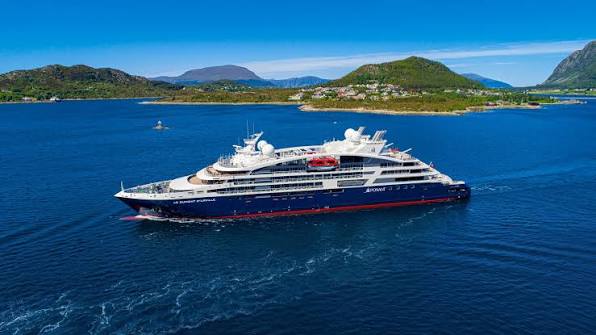
Le Ponant is a beautiful three-masted sailing yacht carrying just 32 guests, small enough to visit some of the world’s most secluded harbours.
Ponant’s most intimate ship came into service over 20 years ago,
but is still much loved today. The yacht is ultra sleek in its
design, and the modern staterooms all have porthole windows. The
mostly francophone guests love the al fresco nature of the public
spaces, with a large sundeck, outdoor restaurant and swimming
marina, and you’ll always feel connected to the sea.
We never fail to be moved when we see the terracotta roofs and honey-golden walls of Dubrovnik, and a stroll around the perfectly preserved old town is a highlight of any visit to the Dalmatian coast. Formerly known as Ragusa, Dubrovnik is a city with a rich, and occasionally troubled, history; the shelling of the city was one of the most shocking images of the Balkan wars of the 1990s, which makes the painstaking restoration of the old town in the years since all the more remarkable. Make sure you take the time to walk around the walls and soak up the views across the rooftops towards Lokrum island, and the deep sapphire of the Adriatic Sea beyond.
Draped in vineyards and olive groves, the verdant Croatian island of Korcula is famous for its white wine and is said by some to be the birthplace of Marco Polo. The main settlement, Korcula Town, bears more than a passing resemblance to Dubrovnik, with a historic centre encircled by medieval walls and towers.
The beautiful, forest-clad island of Mljet lies off the southern Dalmatian Coast, and is said to be the place where Odysseus was held captive for seven years by the nymph Calypso. The western part of the island is a national park, where popular activities include cycling and kayaking.
Of all Croatia’s myriad inhabited islands, Vis is the furthest from the mainland, and was off-limits to tourists for many years, reserved for the Yugoslav military. The resulting lack of development is a big part of the island’s appeal, along with stunning scenery, excellent food and wine, and the attractive little towns of Komiza and Vis Town.
Of all Croatia’s myriad inhabited islands, Vis is the furthest from the mainland, and was off-limits to tourists for many years, reserved for the Yugoslav military. The resulting lack of development is a big part of the island’s appeal, along with stunning scenery, excellent food and wine, and the attractive little towns of Komiza and Vis Town.
Hvar is the most popular of Croatia’s islands, a ruggedly beautiful place carpeted with lavender fields and dotted with little villages. The island’s capital, Hvar Town, is a charming collection of marble streets arranged around a harbour, and it gets very busy in the summer months.
The island of Brac is a real Dalmatian gem. Take a wander around the picturesque old town of Bol, with its rustic stone houses and colourful flowers, explore the Blaca hermitage, and relax on the iconic Zlatni Rat beach, which extends into the Adriatic with almost geometric precision.
We never fail to be moved when we see the terracotta roofs and honey-golden walls of Dubrovnik, and a stroll around the perfectly preserved old town is a highlight of any visit to the Dalmatian coast. Make sure you take the time to walk around the walls and soak up the marvellous sea views.
We never fail to be moved when we see the terracotta roofs and honey-golden walls of Dubrovnik, and a stroll around the perfectly preserved old town is a highlight of any visit to the Dalmatian coast. Make sure you take the time to walk around the walls and soak up the marvellous sea views.