
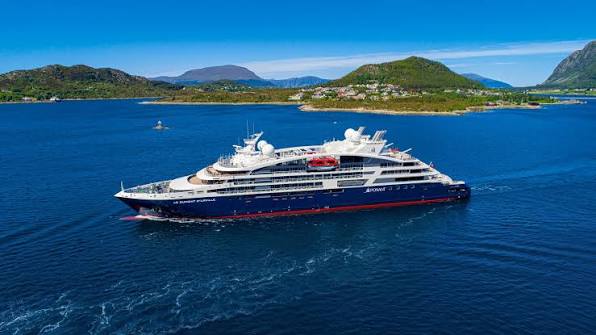
From Leith (Edinburgh) to Portsmouth · Northern Europe · 22 nights
From Leith (Edinburgh) to Portsmouth
Azamara Journey, Quest, Pursuit and Onward are excellent small ships that offer a welcoming and relaxed club-like atmosphere.
Azamara’s fleet of small ships are focused on providing
destination immersion by spending as much time in port as possible
with itineraries designed to include overnight stays and late
evening departures. Enjoy more time to discover the local culture
and when back on board relax and enjoy a vibrant array of
inclusions.
Edinburgh - what a city! The capital city of Scotland has some striking and varied architecture, an imposing Castle, memorable museums and galleries and some wonderful restaurants. And what we love best about this buzzing city is that you can always look up, and there's the beautiful countryside - the Seven Hills - surrounding you. It's a city of inexhaustible delights; in one day alone you could see the Scottish Crown Jewels and Stone of Destiny, follow the Royal Mile to explore narrow closes steeped in history, and go to the Palace of Holyroodhouse, the Edinburgh Dungeon and the Scottish Parliament.
The ‘granite city’ of Aberdeen is flush with money from the North Sea oil boom, and boasts cultural attractions including the fascinating Maritime Museum and the Aberdeen Art Gallery. Head out into the countryside and you’ll find magnificent castles, wild mountain scenery and whisky distilleries aplenty.
Invergordon’s deep natural harbour makes it a popular jumping off point for the Scottish Highlands, and most cruise ship visitors will head inland on excursions to Loch Ness, Culloden battlefield or the nearby city of Inverness, capital of the Highlands.
Lerwick is the only town of any size in the Shetland islands, and originally grew up around the herring trade. Highlights include the charming 18th century architecture along the waterfront and the informative Shetland Museum, which provides an excellent introduction to the history and culture of the islands.
The flat, windswept Orkney Islands, just off the northeast coast of Scotland, have a distinctive Scandinavian heritage that’s discernible in everything from the unusual place names to the ancient Norse architecture of the capital, Kirkwall. Don’t miss the Ring of Brodgar, a fascinating Neolithic stone circle.
The pretty fishing town of Ullapool is a popular gateway to both the Highlands and the Western Isles, bustling with visitors during the summer. There is an excellent museum with exhibits on crofting, fishing and emigration, while just offshore the uninhabited Summer Isles are home to seabirds, dolphins and porpoises.
The waterfront town of Oban, situated on Scotland’s west coast, is the main gateway to the Hebridean islands, and it’s a busy place in summer. We recommend sampling the excellent seafood while enjoying the views across to the islands of Mull and Kerrera.
Gritty Glasgow is Scotland's largest city, renowned for its culture, style and the friendliness of its people. With internationally-acclaimed museums and galleries, stunning architecture, vibrant nightlife, fantastic shopping and a diverse array of restaurants and bars, Glasgow has something for everyone.
Rugged and unspoilt, peaceful and perhaps a little parochial, the Isle of Man is proud to be different. The island has its own government, the Tynwald, which is said to be the oldest continuous parliament in the world, as well as its own language and even its own currency, the Manx pound.
The city of Dublin has something for everyone with great shopping, beautiful Georgian architecture, lovely parks, galleries and museums. Everywhere you go you will be bowled away by the jovial Irish welcome. Don’t miss the chance to sample a local pint of Guinness.
Waterford is Ireland’s oldest city, over 1,000 years old, with a fascinating Viking and Norman heritage that is still discernible in the narrow streets of the ‘Viking Triangle’. The city is also famous as the home of Waterford crystal, and the glass-making industry here dates back to the late 18th century.
Ireland’s second city is an engaging mix of cosy pubs, grand Georgian architecture and forward-thinking restaurants, with one of the best foodie scenes in the country. Cork’s historic centre sits on an island in the River Lee, and the narrow streets are full of cafés, bars and markets.
Bantry Bay is one of the most picturesque spots on County Cork’s west coast, sandwiched between the Beara and Sheep’s Head peninsulas. Local highlights include the 18th-century Bantry House, with its elegant gardens and intriguing links to the United Irishmen Rebellion of 1798.
Killybegs is a bustling fishing port on the Donegal coast, and you’ll see both local and international vessels filling the harbour. The village has some nice pubs worth visiting, and the surrounding countryside is typified by beautiful coastal scenery such as the dramatic Slieve League cliffs.
Disagreements over the correct name for Northern Ireland’s second city date back to 1613, and are unlikely to be resolved any time soon, so let’s focus instead on what the city has to offer. Highlights include the 17th century city walls, a vibrant live music scene and a city centre rejuvenated by Derry’s stint as UK Capital of Culture in 2013.
The 1998 Good Friday Agreement was a watershed moment for Northern Ireland, and its rejuvenated capital is enjoying a surge in popularity. The new Titanic Belfast museum is the star attraction, while the city centre boasts some handsome Victorian architecture and a lively pub scene.