From Venice to Dubrovnik · Mediterranean · 14 nights
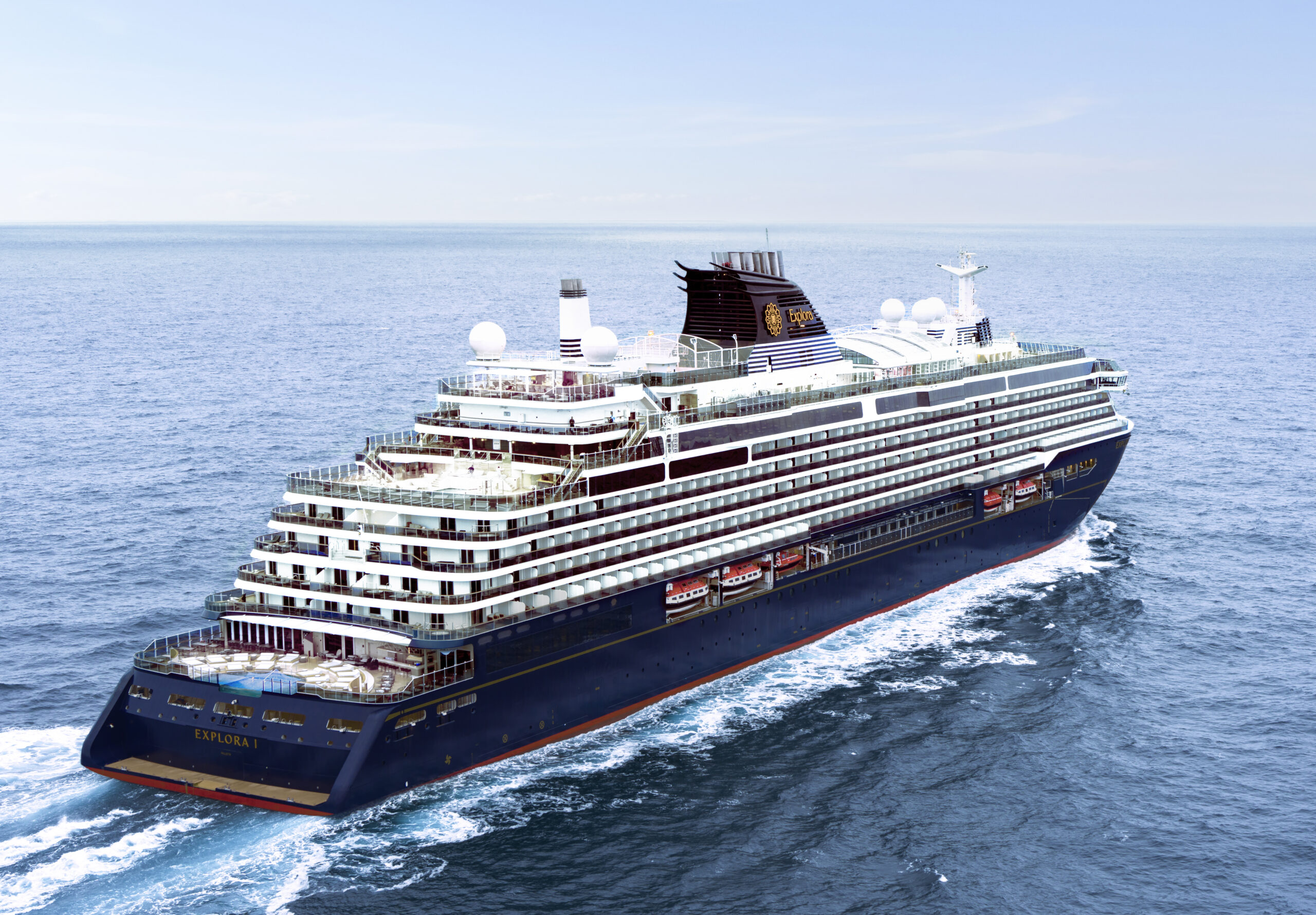
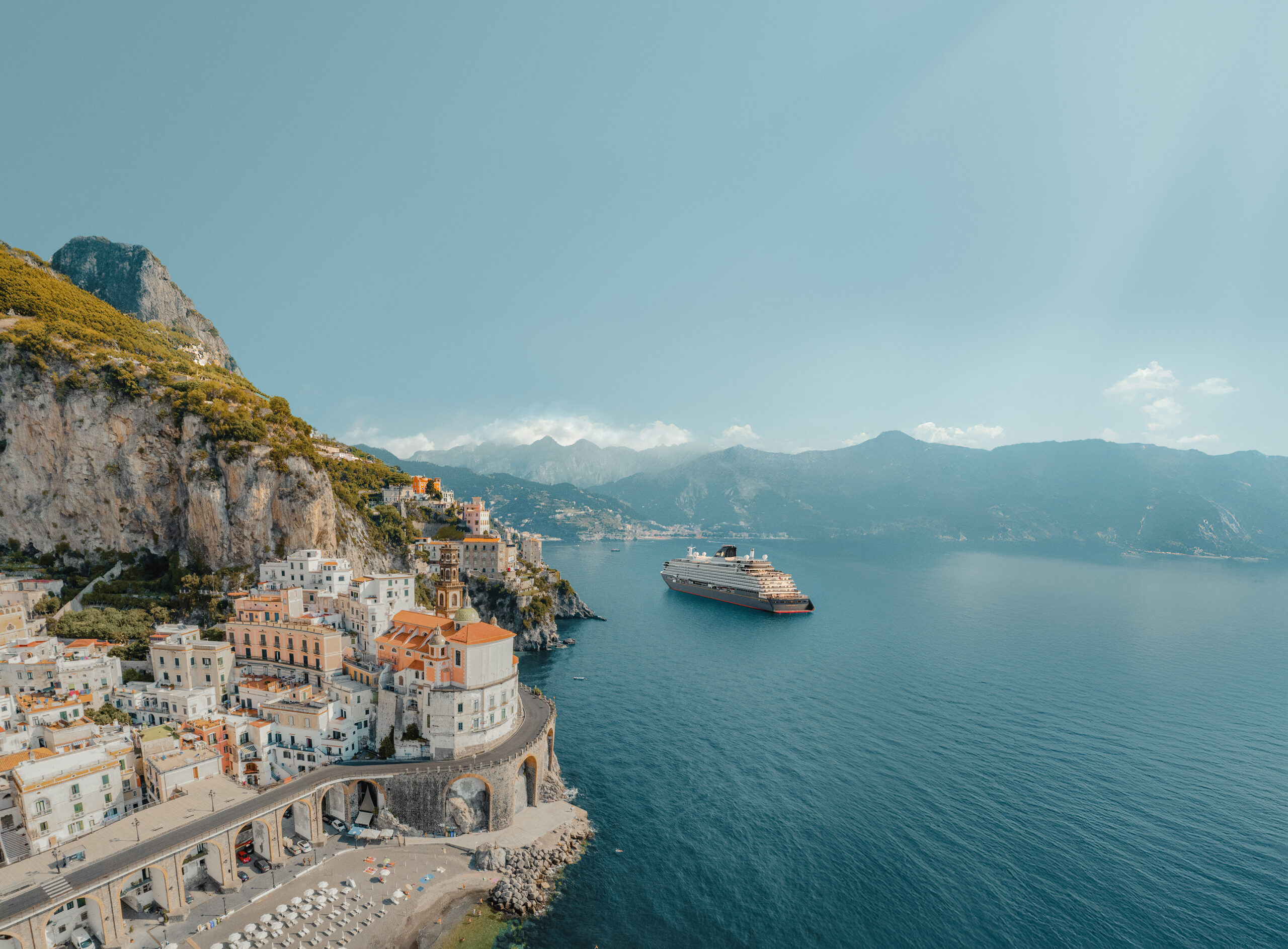
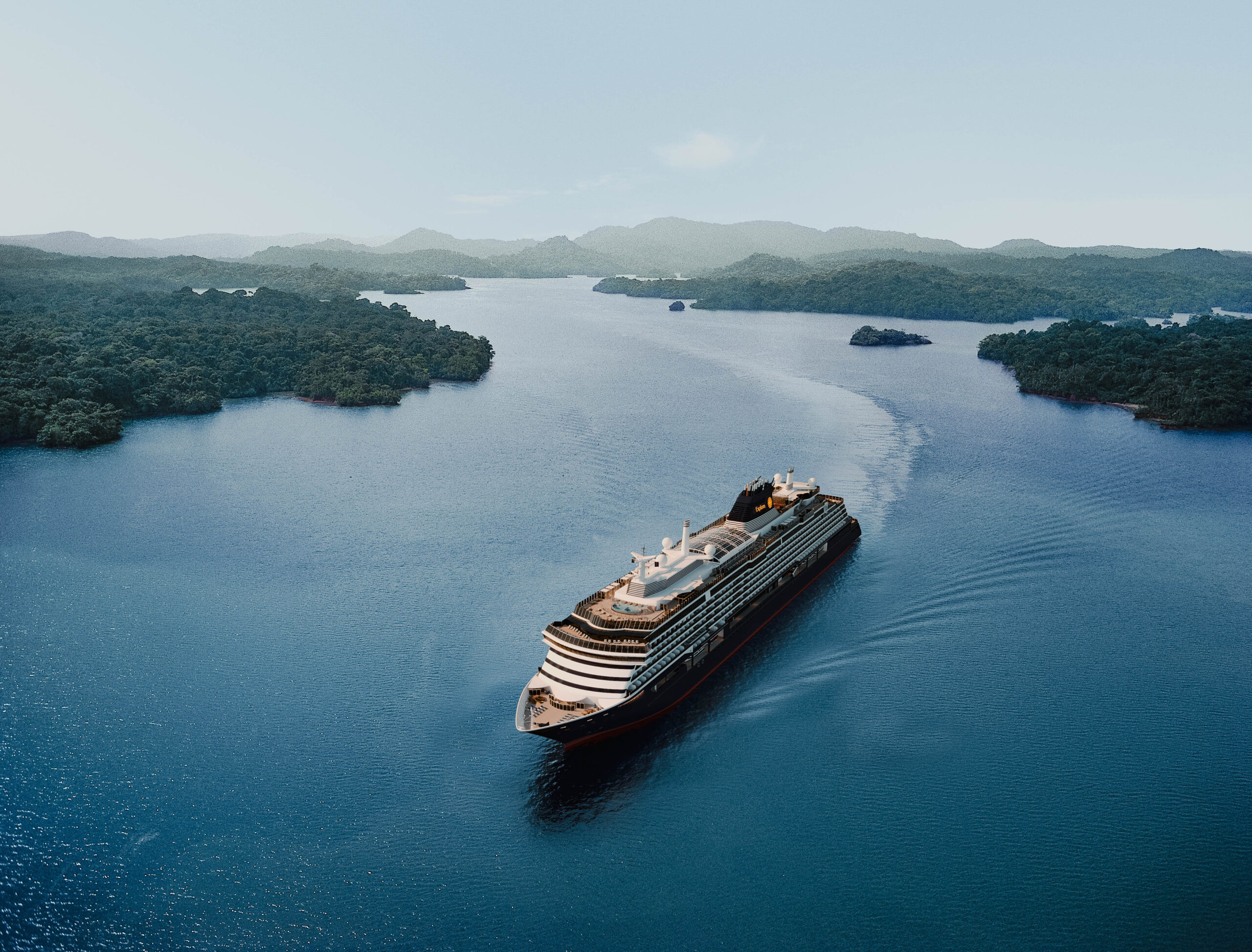
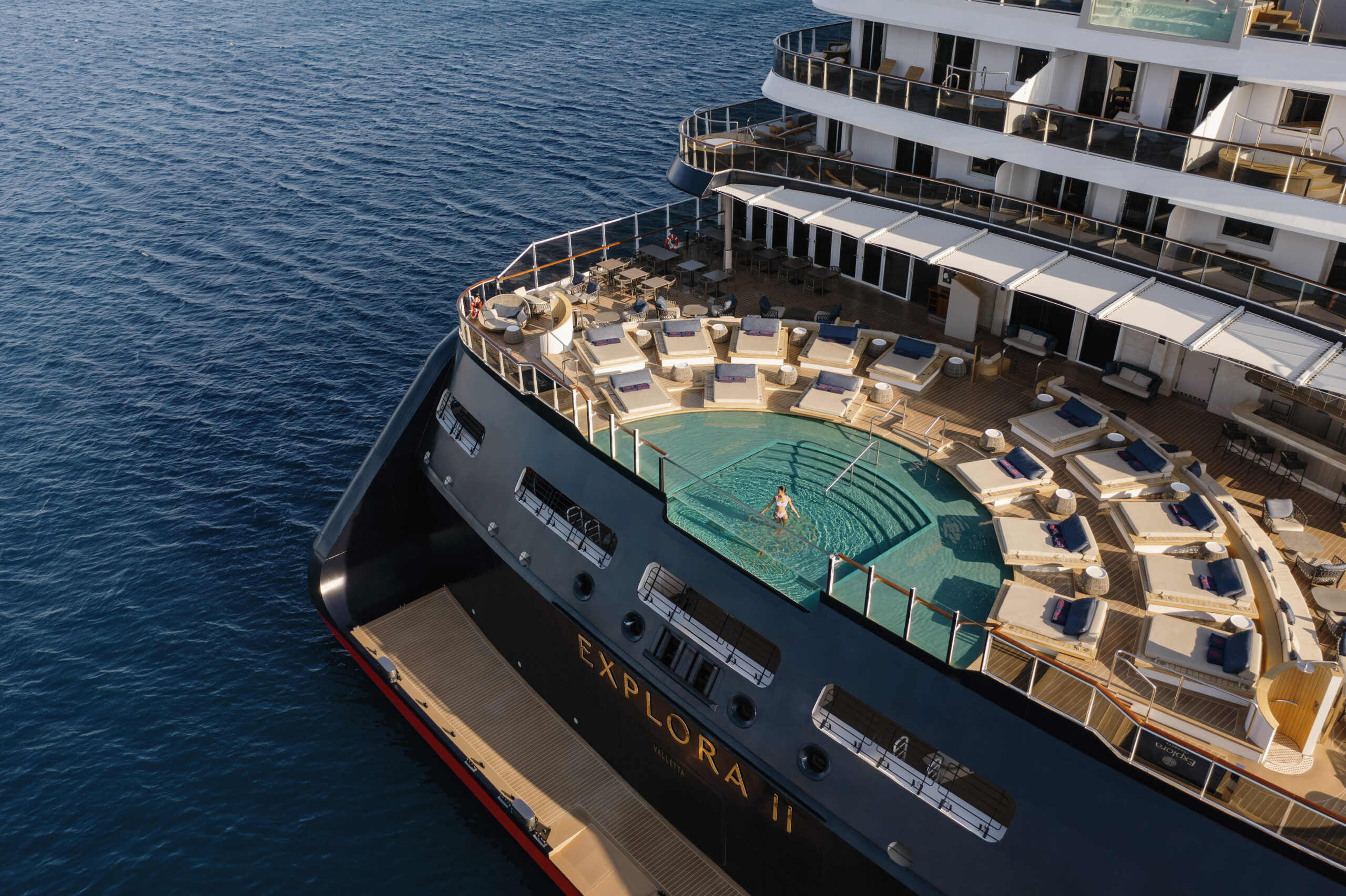
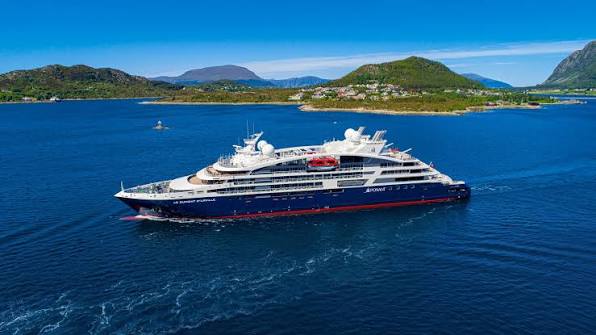
The third innovative luxury yacht from Emerald Cruises which launched in April 2026, Emerald Kaia represents an exciting evolution in intimate small-ship cruising.
Following the success of sister ships Emerald Azzurra and
Emerald Sakara, Emerald Cruises unveils a brand-new luxury yacht,
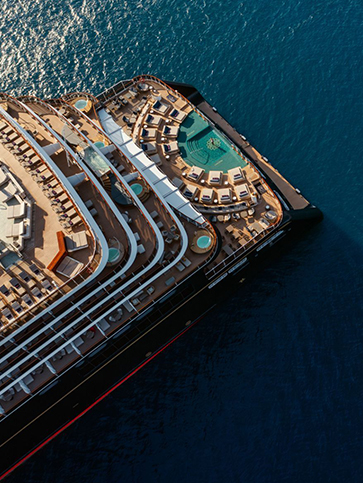
Emerald Kaia. This new yacht features enhanced spaces on board
including an Observation Sun Deck at the bow, and a reimagined Sky
Deck area, perfect for soaking in the views, and operates
itineraries in the Mediterranean and Seychelles.
Venice is a city like no other, a marble maze of turquoise canals criss-crossed by beautiful bridges, overflowing with palaces, churches and charming little piazzas. No matter how many times you've seen it in photographs, that first glimpse of the Grand Canal will simply take your breath away; it hardly seems credible that such an eye-popping scene could exist outside of a Canaletto painting. Of course Venice is a city that draws big crowds, especially in summer, but don't let this put you off; even the busiest areas are never more than a few steps from a quiet courtyard or a secluded square.
Pretty little Piran grew rich thanks to the salt trade, and thrived under both the Venetian Republic and the Austro-Hungarian empire. The well-preserved old town is the highlight of Slovenia’s short stretch of coastline, set on a small peninsula jutting out into the Adriatic.
Lošinj is one of Croatia’s lesser known gems, a verdant island that was once the favourite holiday resort of the Austro-Hungarian emperor, Franz Josef. The fishing villages of Mali Lošinj and Veli Lošinj are pleasingly picturesque, and the surrounding waters are known for their healthy dolphin population.
The island of Krk, connected to the Croatian mainland by a bridge, lies at the northern end of the Dalmatian coast, and is a busy holiday destination during summer. The historic centre of Krk Town is a highlight, with its cobbled streets, Romanesque cathedral and the 12th-century Frankopan Castle.
Opatija was the favourite seaside resort of the Austro-Hungarian elite during the 19th century, a legacy that lives on in the town's handsome belle époque villas. Take a stroll along the promenade, enjoy a swim in a protected bay or visit the Volosko neighbourhood, home to some excellent seafood restaurants.
Rovinj is undoubtedly the highlight of the Istrian coast, a picturesque medieval fishing port with a strong Italian influence discernible in everything from the elegant architecture to the bilingual street signs. A day trip to one of the nearby islands also makes for an enjoyable excursion.
Venice is a city like no other, a marble maze of turquoise canals criss-crossed by beautiful bridges, overflowing with palaces, churches and charming little piazzas. No matter how many times you’ve seen it in photographs, that first glimpse of the Grand Canal will simply take your breath away.
Rovinj is undoubtedly the highlight of the Istrian coast, a picturesque medieval fishing port with a strong Italian influence discernible in everything from the elegant architecture to the bilingual street signs. A day trip to one of the nearby islands also makes for an enjoyable excursion.
One of the Dalmatian coast’s lesser known cities, Šibenik is notable for its compact medieval centre, UNESCO-listed Gothic-Renaissance cathedral and crumbling fortresses. The nearby islands of Zlarin and Prvi? also make for an enjoyable day trip.
Set on a tiny island off the Dalmatian coast, and connected to the mainland by a bridge, Trogir is small but perfectly formed. The town’s appeal lies in its beautiful UNESCO-listed architecture, the legacy of the Venetians who ruled here for almost 400 years.
Of all Croatia’s myriad inhabited islands, Vis is the furthest from the mainland, and was off-limits to tourists for many years, reserved for the Yugoslav military. The resulting lack of development is a big part of the island’s appeal, along with stunning scenery, excellent food and wine, and the attractive little towns of Komiza and Vis Town.
Hvar is the most popular of Croatia’s islands, a ruggedly beautiful place carpeted with lavender fields and dotted with little villages. The island’s capital, Hvar Town, is a charming collection of marble streets arranged around a harbour, and it gets very busy in the summer months.
Draped in vineyards and olive groves, the verdant Croatian island of Korcula is famous for its white wine and is said by some to be the birthplace of Marco Polo. The main settlement, Korcula Town, bears more than a passing resemblance to Dubrovnik, with a historic centre encircled by medieval walls and towers.
We never fail to be moved when we see the terracotta roofs and honey-golden walls of Dubrovnik, and a stroll around the perfectly preserved old town is a highlight of any visit to the Dalmatian coast. Make sure you take the time to walk around the walls and soak up the marvellous sea views.