From Athens (Piraeus) to Athens (Piraeus) · Mediterranean · 7 nights
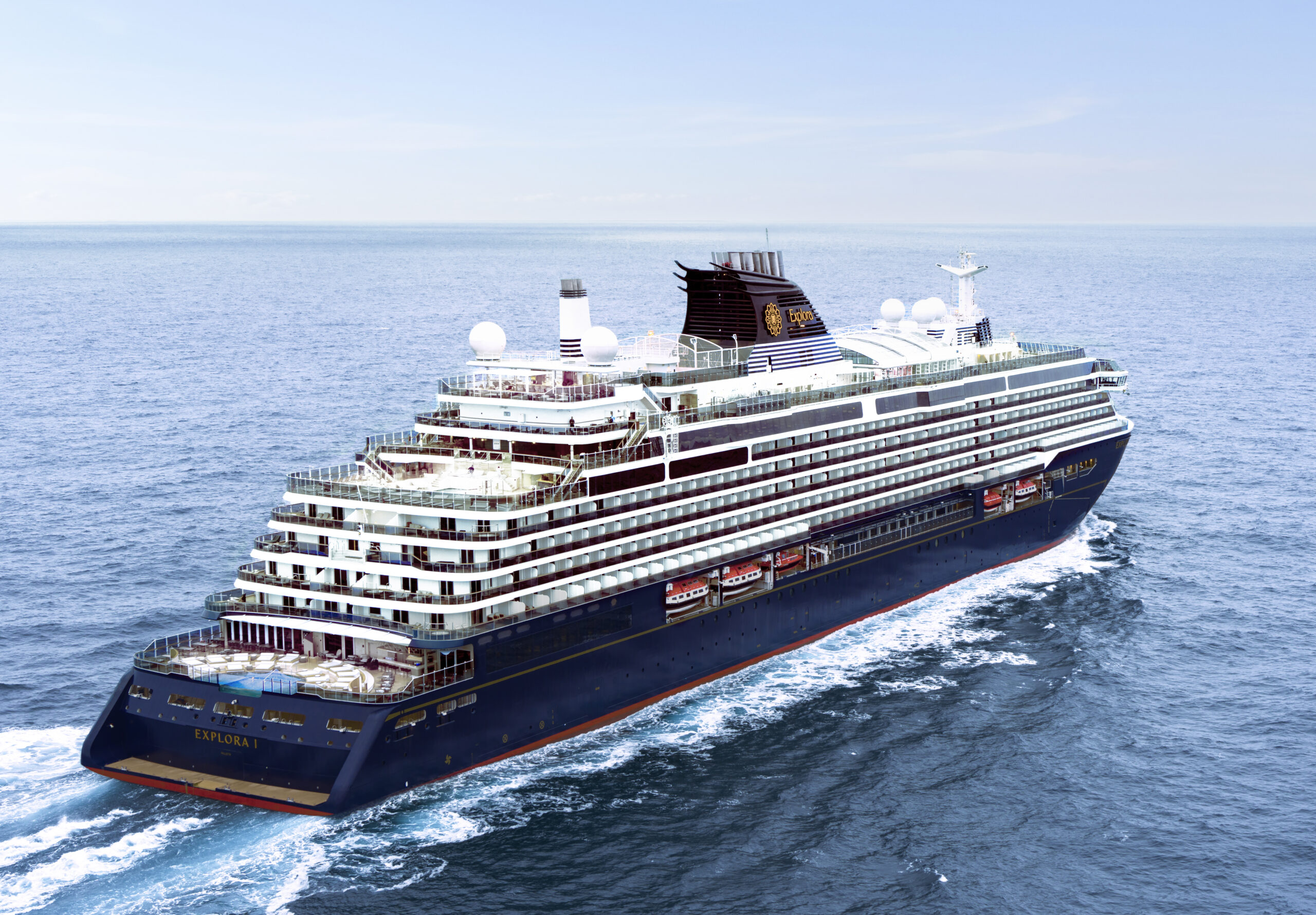
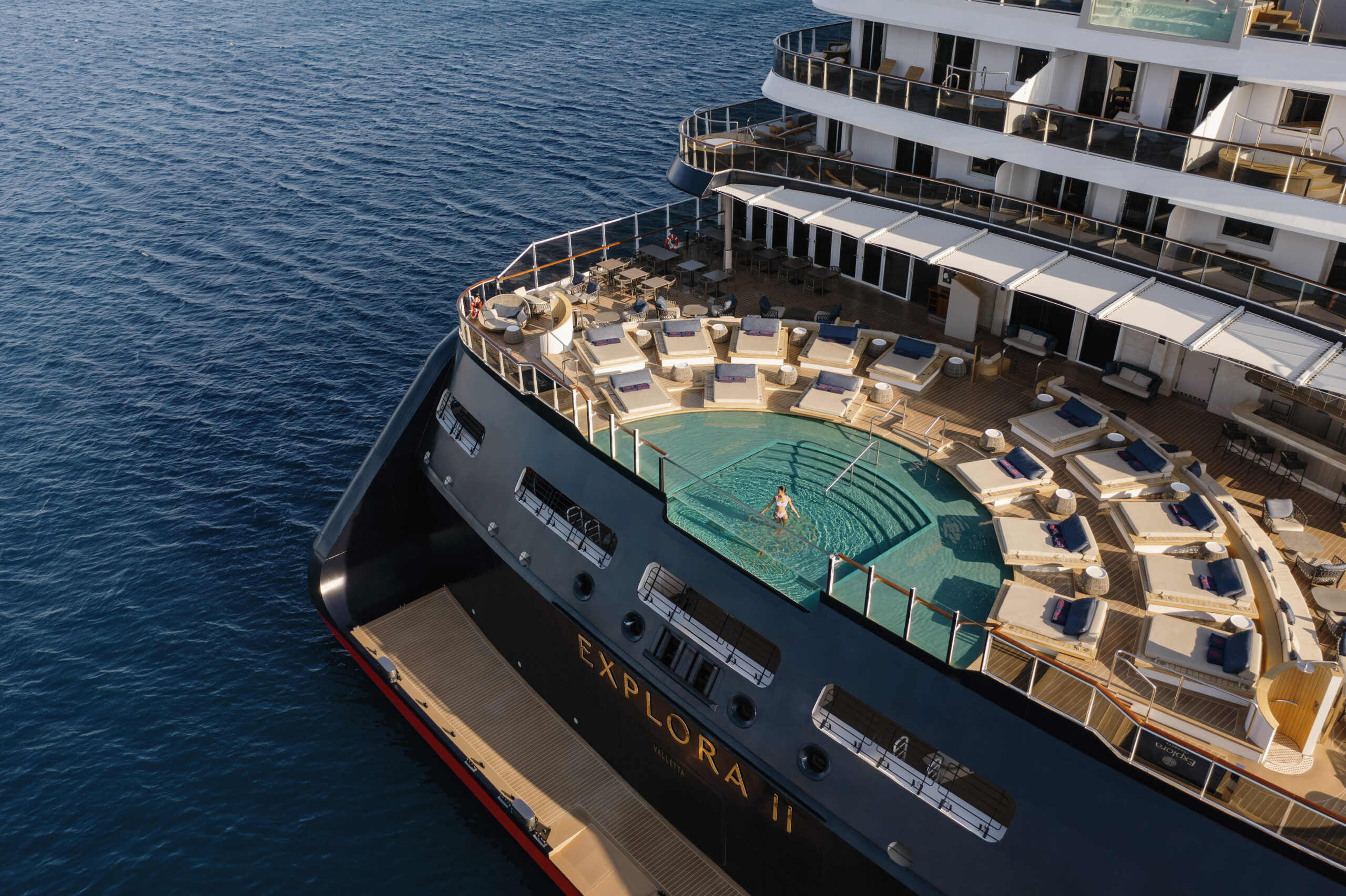
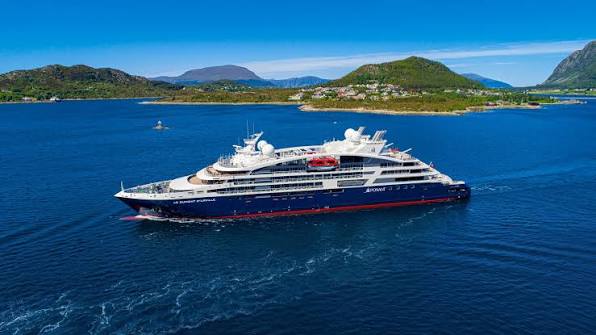
Emerald Azzurra and Sakara are the first ships in the Emerald yacht fleet, carrying just 100 lucky travellers in sleek and stylish surroundings.
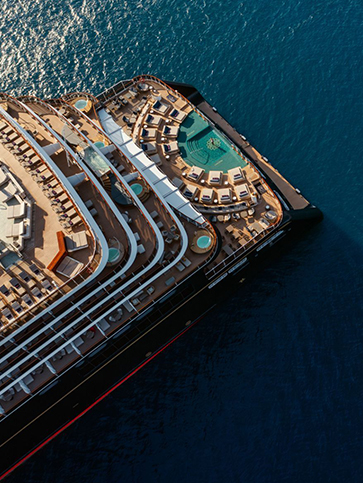
Enjoy small ship cruising in style, with comfortable staterooms
and suites (most with private balcony), an à la carte restaurant,
infinity-style pool, al fresco Sky Bar, wellness area and a marina
at the back of the yacht, allowing you to hop straight into the
water and have fun with a host of water toys.
Athens is a city awash with historical and cultural significance. Towering over the city are the gleaming columns of the Parthenon, surely one of the most iconic sights in the whole of Europe. And yet Athens is much more than an open air museum; this is a dynamic, bustling metropolis, and a place where history is still very much unfolding. For all its faults, the Greek capital possesses an energy and an optimism that are manifest in everything from the burgeoning art scene to the restaurants and bars that continue to pop up on a regular basis.
Delos was venerated by the Ancient Greeks as the birthplace of the gods Apollo and Artemis, and the sprawling ruins are now a UNESCO World Heritage Site. Delos sits at the centre of the Cyclades group, which take their name from the fact that they encircle the sacred island.
Glamorous Mykonos is the most popular of the Cyclades islands, well known as a haunt of the rich and the famous. It’s also the gateway to the nearby island of Delos, home to one of the most important archaeological sites in Greece.
Saint John is said to have written the Book of Revelations in a cave on Patmos, and today the spot is marked by the hillside Monastery of the Apocalypse. As well as spirituality, the island is known for its beaches and upmarket vibe, with a scattering of stylish restaurants and bars.
The Turkish port of Kusadasi is the gateway to Ephesus, one of the most spectacular archaeological sites in the Eastern Mediterranean. This was the Roman capital of Asia Minor, and the remains constitute the most complete classical city in Europe.
Kos is the second largest of the Dodecanese Islands after Rhodes, and is best known for its excellent beaches. There are plenty of cultural treasures here too: Kos Town’s harbour is guarded by an impressive castle built by the Knights of St John, and the island is scattered with Greek and Roman ruins.
The volcanic island of Santorini (known officially as Thira) is one of the most spectacularly beautiful in the Mediterranean. The pretty village of Oia, with its whitewashed houses and windmills tumbling down the hillside, is particularly photogenic.
Paros gleams with a classic Cycladic colour palette of whitewashed houses and blue-domed churches, and is famous for its ancient marble quarries, which provided the raw material for the Venus de Milo. The island is also home to some great restaurants, peaceful inland villages and lovely beaches.
Athens is a city awash with historical and cultural significance, but it's much more than an open air museum; this is a dynamic, bustling metropolis, and a place where history is still very much unfolding.