From New York to New York · Northern Europe · 67 nights
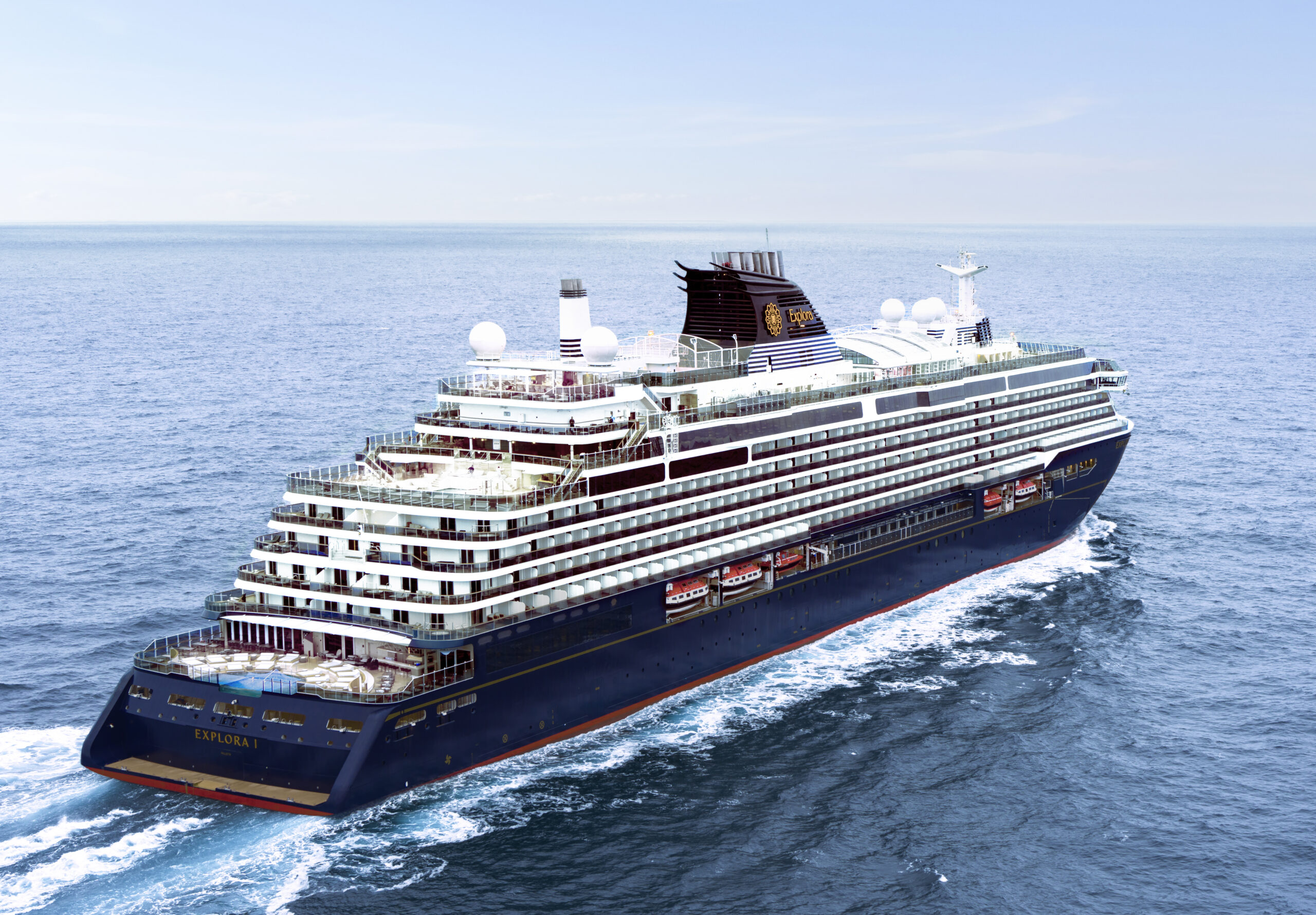
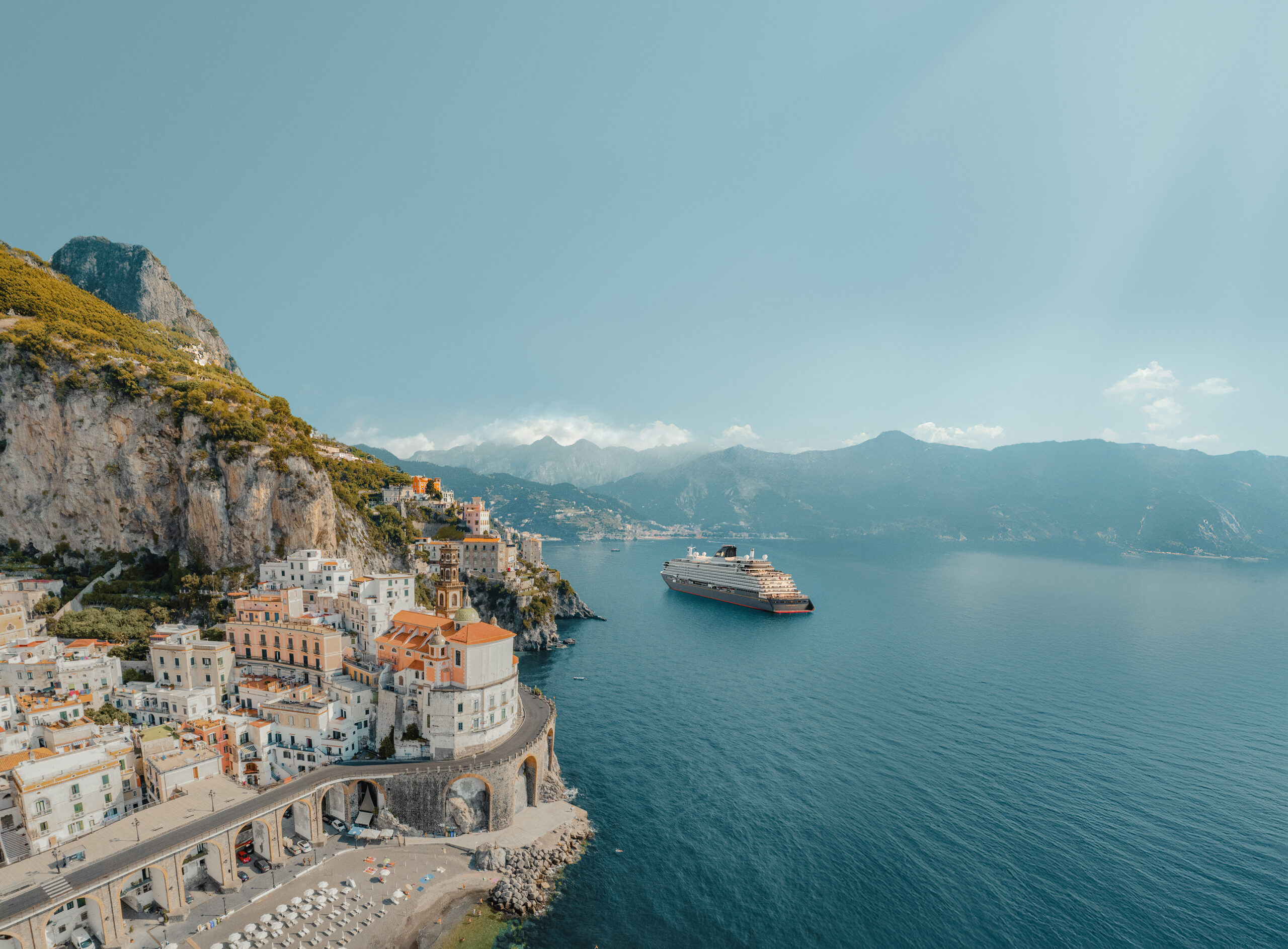
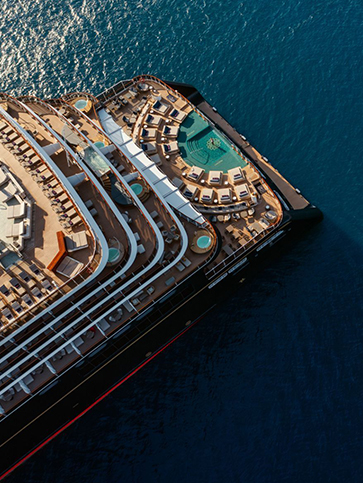
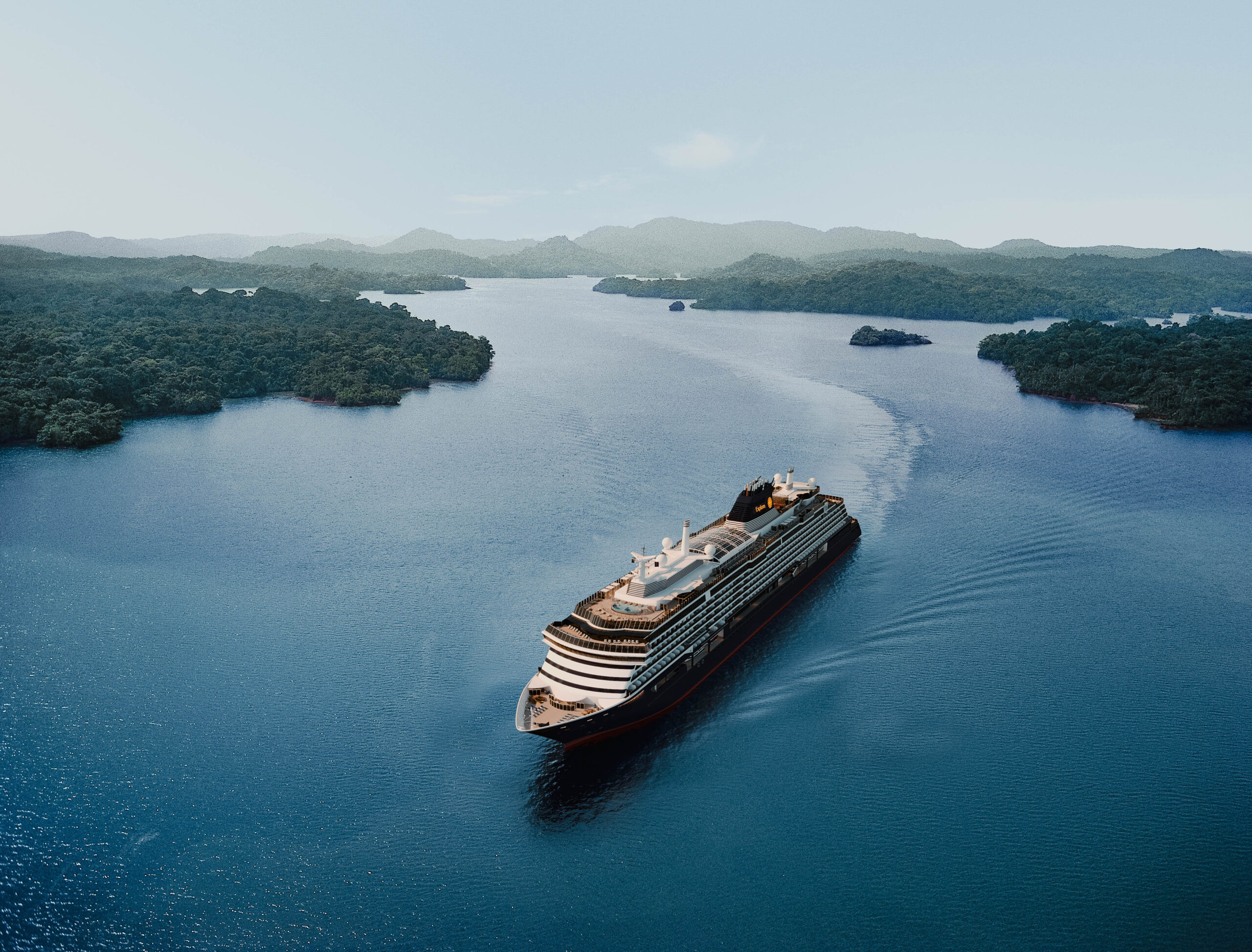
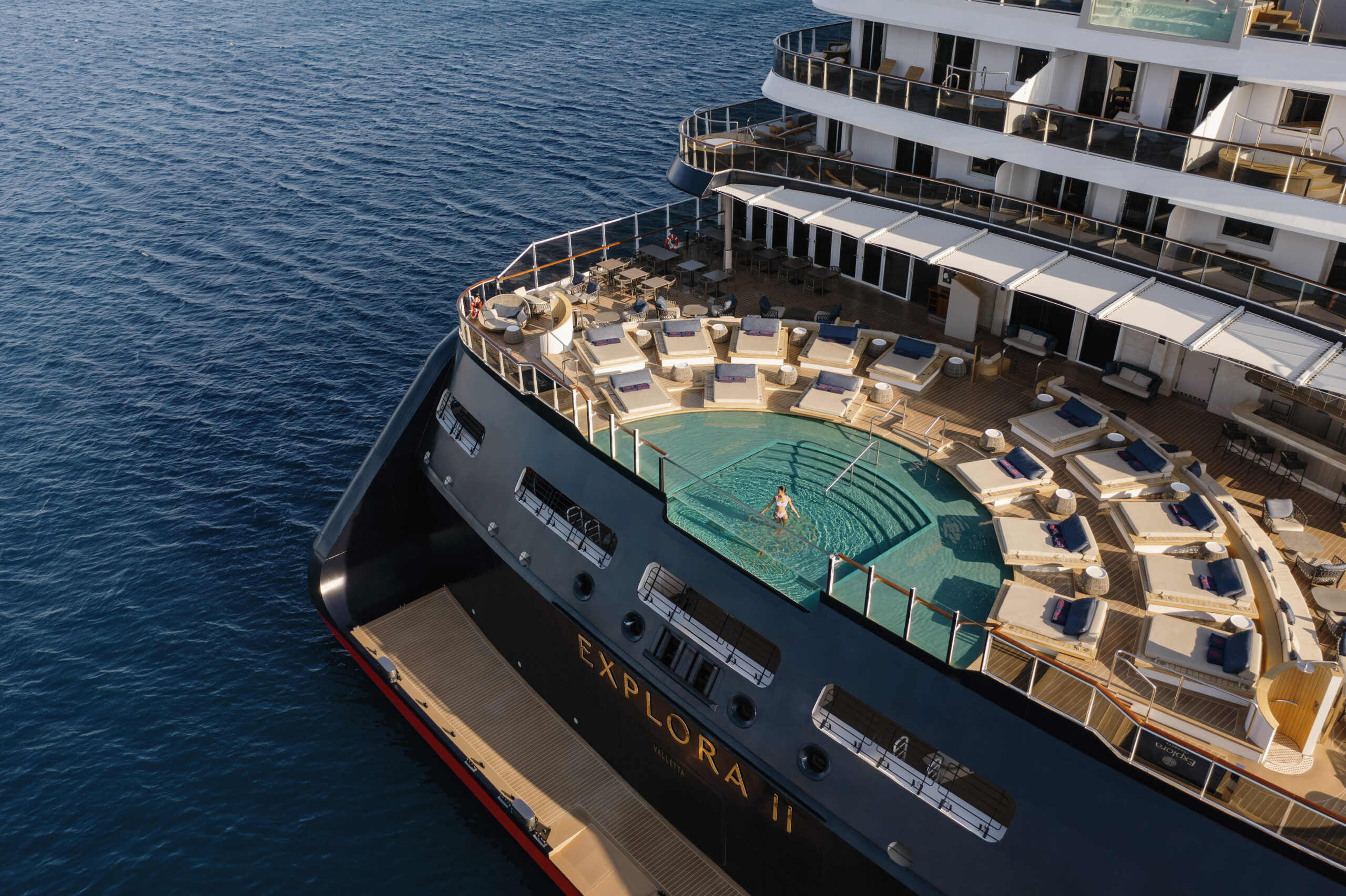
The first ship in Oceania’s Allura Class, Vista joined the fleet in 2023, with sister ship Allura setting sail in 2025. These ships represent an exciting evolution and offer elevated dining options, accommodation, and guest experience.
The Allura Class ships promise to enhance and redefine the
Oceania onboard experience, with chic residential-style
accommodation, all ocean facing with either French or full private
balcony, and a plethora of eye-catching public spaces that combine
dramatic architectural flourishes with the relaxed intimacy for
which Oceania is known. These are also the first Oceania ships to
include dedicated staterooms for solo travellers, and you can
expect innovative dining venues, a serene spa and a stunning pool
deck.
The Big Apple is one of the world's most iconic, cosmopolitan cities, a place that everyone should visit at least once in their lifetime. From the lofty heights of the Manhattan skyscrapers to the hipster hangouts of resurgent Brooklyn, New York City buzzes with energy and excitement, and there's never been a better time to visit. Cultural highlights include the Museum of Modern Art (MoMA), the Lincoln Center for Performing Arts and the theatres of Broadway, and the culinary scene is arguably the most exciting in the US, with an ever-changing smorgasbord of innovative restaurants, pop-ups and fashionable street food trucks.
The natural harbour at Halifax is the second largest in the world after Sydney, and this charming city has a proud maritime heritage. Take a stroll along the historic waterfront, delve into the vibrant arts scene or explore the beautiful coastal scenery of Nova Scotia.
Sydney is the only real city on Nova Scotia’s beautiful Cape Breton island, a former steel and coal town that is reinventing itself as a cultural and culinary hub. The revitalised waterfront area is particularly appealing, and there are some interesting Loyalist-era buildings in the city’s North End district.
The islands of Saint Pierre and Miquelon are a post-colonial oddity, a self-governing French overseas territory that sits just off the coast of Newfoundland. There is something more than a little surreal about the freshly baked baguettes, fine French wines and tricolore flags flapping in the breeze.
Newfoundland’s capital is a laid back city with an arty vibe, situated on a dramatic harbour. The hilly streets lined with colourful row houses make for a great photo opportunity, and the downtown area is full of history, as well as some excellent pubs and a thriving folk music scene.
The little fishing town of Grundarfjörður enjoys a picturesque setting on the Snæfellsnes Peninsula, surrounded by dramatic volcanic peaks and gushing waterfalls. The nearby Snæfellsjökull volcano, capped by a glacier, was made famous by Jules Verne in ‘Journey to the Centre of the Earth’.
Akureyri is Iceland’s second city, though with just 18,000 inhabitants it’s really more of a small town. Situated on the north coast at the head of Iceland’s largest fjord, it’s a cute and quirky place that also serves as a base from which to explore the bubbling mud pools and lunar landscapes around Lake Mývatn.
Siglufjörður is the most northerly town on the Icelandic mainland, a remote little fishing port backed by imposing mountains. You can learn about the town’s history at the herring museum, explore the local culture at the Folk Music Centre or head out on one of the scenic hiking trails around the fjord.
Ísafjörður is the largest town in Iceland’s wild Westfjords, dramatically located on a spit of sand hemmed in by mountains on three sides. The town itself is fairly low key, and the main attraction is exploring the surrounding landscapes, such as the spectacular Hornstrandir Peninsula.
Capital of Iceland and gateway to this extraordinary volcanic island, modern Reykjavík is home to an impressive collection of interesting attractions and places of historic significance. Visit the impressive Hallgrímskirkja church, relax in a thermal pool, potter around the old harbour, and enjoy 24 hour daylight in the summer months.
Heimaey is the largest of the Westman Islands, just off the south west coast of the Icelandic mainland. The jagged landscape is a reminder of the island’s volcanic origins; the most recent eruption, back in 1973, created the volcano now known as Eldfell, which looms over the island.
Djúpivogur is a little fishing village on the east coast of Iceland, at the mouth of a steep fjord, and has recently joined the ‘slow city’ movement, the first place in Iceland to do so. A popular excursion is the boat trip across to Papey island, where you’ll find thousands of seabirds and Iceland’s oldest wooden church
When Ålesund was destroyed by fire in 1904, the German Kaiser Wilhelm II agreed to foot the bill to rebuild it. The result was the stunning Art Nouveau architecture that you see today, which blends elements of the German 'Jugendstil' with Viking flourishes.
The little town of Måløy is a major fishing port, on the sheltered eastern side of Vågsøy island. Nearby sights include the Kannesteinen rock, sculpted by the sea into a bizarre mushroom-like shape, while further afield is the Jostedalsbreen National Park, home to continental Europe’s largest glacier.
Haugesund dates back to Viking times, and the surrounding region is known as the birthplace of Norway, where King Harald Fairhair first united the country under one ruler. Highlights include the reconstructed Viking farm at Avaldsnes, the Arquebus War History Museum and the Haraldshaugen Monument.
Amsterdam is one of our very favourite cities to visit, as well as also being a perfect base to explore the nearby landscape of windmills and dikes. There is a wealth of famous museums and galleries to choose from, such as the Van Gogh Museum, the Rijksmuseum and the Anne Frank House.
Zeebrugge’s main attraction is its proximity to Bruges. This beautifully preserved old town is a magical maze of winding cobbled lanes, narrow canals and gorgeous gabled houses, and it’s no wonder so many visitors throng the streets in summer.
Southampton is the UK’s leading port. Bustling modern cruise terminals, as well as wharfs and commercial harbours, line the waterfront, whilst the city itself is a fascinating mix of ancient and modern, with a picturesque old town, the original city walls still standing, and super-modern shopping centres and office complexes
The windswept Isle of Portland is connected to the mainland by Chesil Beach, which curves west for 18 miles along the Dorset coast. The island is famous as the home of Portland stone and is rich in bird life, while just next door is the resort town of Weymouth, with its pretty Georgian harbour.
Falmouth has one of the deepest natural harbours in the world, and you can learn about the town’s seafaring heritage at the excellent National Maritime Museum. There are some lovely pubs, cafés and seafood restaurants here, and it’s also a good base for exploring Cornwall’s south coast.
The beautiful Dingle Peninsula reaches out into the crashing Atlantic surf, culminating in the westernmost point on the Irish mainland. The peninsula’s buzzing ‘capital’, Dingle town, is a charming little place full of lively pubs, colourful shopfronts and toe-tapping traditional Irish music.
Bantry Bay is one of the most picturesque spots on County Cork’s west coast, sandwiched between the Beara and Sheep’s Head peninsulas. Local highlights include the 18th-century Bantry House, with its elegant gardens and intriguing links to the United Irishmen Rebellion of 1798.
The attractive town of Cobh is situated on an island in Cork Harbour, one of the largest natural harbours in the world. It’s a colourful place with an interesting history; Cobh was the main exit point for thousands who fled Ireland during the famine years, and it was also the final port of call for the ill-fated Titanic.
Waterford is Ireland’s oldest city, over 1,000 years old, with a fascinating Viking and Norman heritage that is still discernible in the narrow streets of the ‘Viking Triangle’. The city is also famous as the home of Waterford crystal, and the glass-making industry here dates back to the late 18th century.
Holyhead is best known as the departure point for ferries to Ireland, but it’s also the gateway to the enchanting island of Anglesey. This green and ancient land was once a druid stronghold, and the rugged landscape is crowned with some of the most beautiful castles in Wales.
Few British cities can match the historical and cultural significance of Liverpool. The famous docks have been transformed in recent years, and are now home to the Tate gallery and a museum honouring the city's most famous sons, the Beatles.
The city of Dublin has something for everyone with great shopping, beautiful Georgian architecture, lovely parks, galleries and museums. Everywhere you go you will be bowled away by the jovial Irish welcome. Don’t miss the chance to sample a local pint of Guinness.
The 1998 Good Friday Agreement was a watershed moment for Northern Ireland, and its rejuvenated capital is enjoying a surge in popularity. The new Titanic Belfast museum is the star attraction, while the city centre boasts some handsome Victorian architecture and a lively pub scene.
Rugged and unspoilt, peaceful and perhaps a little parochial, the Isle of Man is proud to be different. The island has its own government, the Tynwald, which is said to be the oldest continuous parliament in the world, as well as its own language and even its own currency, the Manx pound.
Disagreements over the correct name for Northern Ireland’s second city date back to 1613, and are unlikely to be resolved any time soon, so let’s focus instead on what the city has to offer. Highlights include the 17th century city walls, a vibrant live music scene and a city centre rejuvenated by Derry’s stint as UK Capital of Culture in 2013. (Greencastle is actually in the Republic, but it's a short drive south to Derry.)
The pretty fishing town of Ullapool is a popular gateway to both the Highlands and the Western Isles, bustling with visitors during the summer. There is an excellent museum with exhibits on crofting, fishing and emigration, while just offshore the uninhabited Summer Isles are home to seabirds, dolphins and porpoises.
This little village on the north coast of Scotland is an important fishing port, and a ferry runs between Scrabster and Stromness in the Orkney Islands. Munitions were shipped from here to Scapa Flow during the Second World War, and nearby attractions include the historic Castle of Mey.
Invergordon’s deep natural harbour makes it a popular jumping off point for the Scottish Highlands, and most cruise ship visitors will head inland on excursions to Loch Ness, Culloden battlefield or the nearby city of Inverness, capital of the Highlands.
You might not expect to find a beach resort in Norway, but the sunny city of Kristiansand is where Norwegians go for a spot of fun by the seaside. There are plenty of family-friendly attractions, including a zoo, and it’s also a good base for exploring the pretty fishing villages of the south coast.
Wonderful Copenhagen is the perfect city to explore on foot, by bicycle or by water. Visit the bustling wharf at Nyhavn, enjoy the palaces, galleries and museums, wander through the amazing Tivoli Gardens, and if you have time, make the most of Copenhagen’s gastronomic revolution.
The old Hanseatic port of Rostock was heavily damaged in the Second World War, though attractive enclaves of historic architecture remain. The little village of Warnemünde, a suburb of Rostock, is home to one of the most appealing beaches on the Baltic coast. An excursion inland to Berlin is a popular option, though it's around 150 miles each way.
The ruggedly handsome island of Bornholm lies way out in the Baltic, closer to Sweden and Poland than the Danish mainland. It’s the sunniest place in Denmark, known for its intriguing rundekirke (round churches), sleepy fishing villages, traditional smokehouses and fantastic foodie scene.
Aarhus is Denmark’s second largest city, but it’s also a compact and likeable place with a burgeoning cultural scene and a large student population. The combination of superb restaurants, attractive cobbled streets and excellent museums make Aarhus an unexpected highlight of any cruise around the Baltic.
Southampton is the UK’s leading port. Bustling modern cruise terminals, as well as wharfs and commercial harbours, line the waterfront, whilst the city itself is a fascinating mix of ancient and modern, with a picturesque old town, the original city walls still standing, and super-modern shopping centres and office complexes
Le Havre was more or less flattened during World War II, which makes the city’s UNESCO World Heritage status all the more remarkable. Rebuilt by the Belgian architect Auguste Perret, Le Havre is now characterised by a striking modernist style; don’t miss the towering, concrete Église St-Joseph.
Saint-Malo grew rich off the back of maritime trade and its plundering corsairs, a seafaring heritage that is still proudly on display today. It’s great fun getting lost in the streets of the walled old town, and the famous medieval abbey of Mont Saint-Michel is an easy day-trip.
Falmouth has one of the deepest natural harbours in the world, and you can learn about the town’s seafaring heritage at the excellent National Maritime Museum. There are some lovely pubs, cafés and seafood restaurants here, and it’s also a good base for exploring Cornwall’s south coast.
Holyhead is best known as the departure point for ferries to Ireland, but it’s also the gateway to the enchanting island of Anglesey. This green and ancient land was once a druid stronghold, and the rugged landscape is crowned with some of the most beautiful castles in Wales.
Gritty Glasgow is Scotland's largest city, renowned for its culture, style and the friendliness of its people. With internationally-acclaimed museums and galleries, stunning architecture, vibrant nightlife, fantastic shopping and a diverse array of restaurants and bars, Glasgow has something for everyone.
Killybegs is a bustling fishing port on the Donegal coast, and you’ll see both local and international vessels filling the harbour. The village has some nice pubs worth visiting, and the surrounding countryside is typified by beautiful coastal scenery such as the dramatic Slieve League cliffs.
Sydney is the only real city on Nova Scotia’s beautiful Cape Breton island, a former steel and coal town that is reinventing itself as a cultural and culinary hub. The revitalised waterfront area is particularly appealing, and there are some interesting Loyalist-era buildings in the city’s North End district.
Boston is one of the oldest cities in the USA, and in amongst the skyscrapers are plenty of red-brick buildings, a Georgian architecture that lends the city a distinctly European feel. Boston is also home to a wealth of cultural riches, including the superb Museum of Fine Arts, as well as the world famous Harvard University.
The Big Apple is one of the world’s most iconic, cosmopolitan cities, a place that everyone should visit at least once in their lifetime. From the lofty heights of the Manhattan skyscrapers to the hipster hangouts of resurgent Brooklyn, New York City buzzes with energy and excitement, and there’s never been a better time to visit.