From Athens to Monte Carlo · Mediterranean · 12 nights
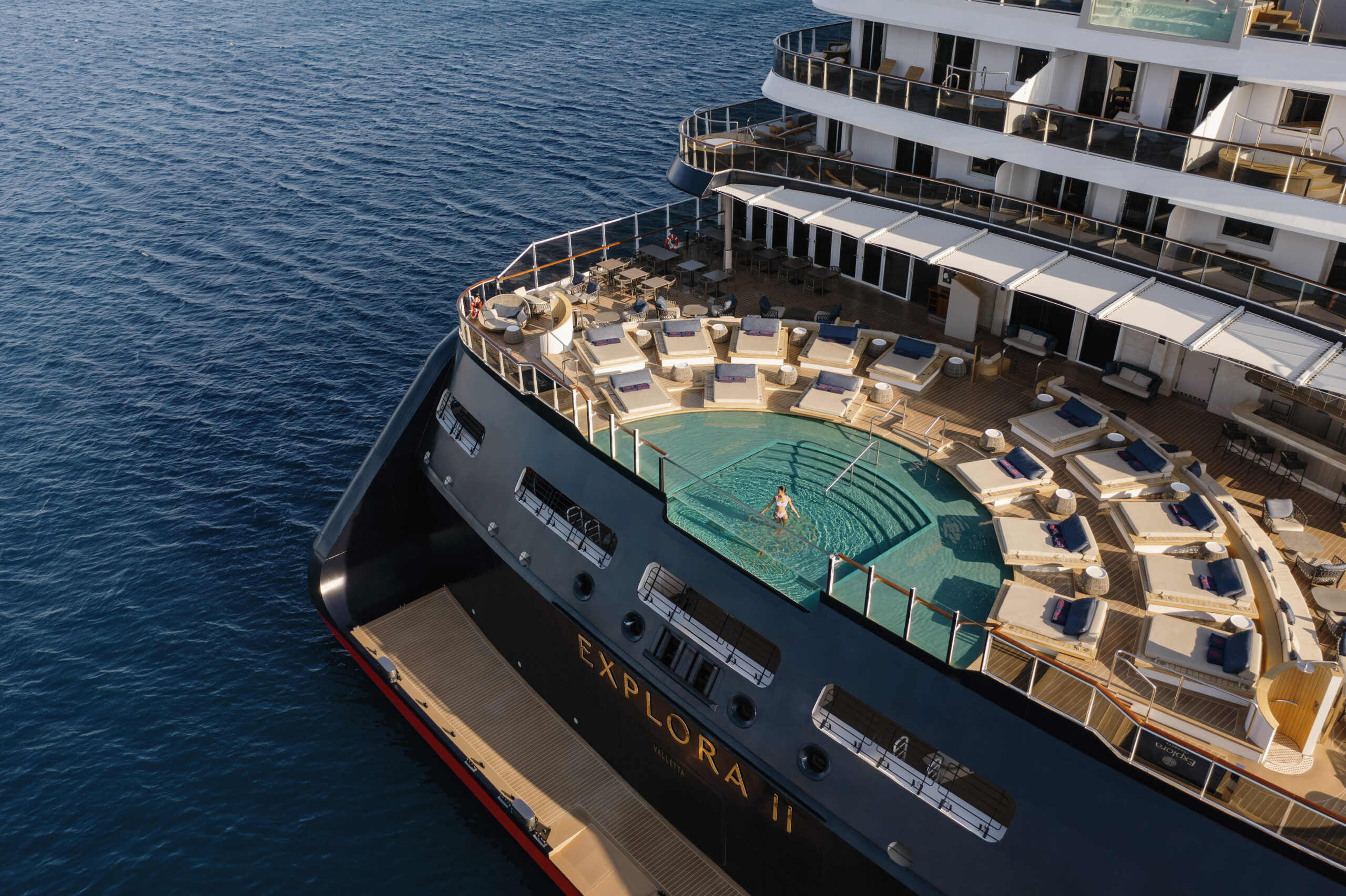
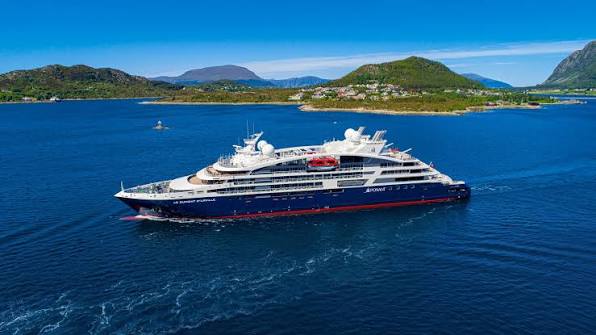
Small enough to operate fascinating port-intensive itineraries, but with the space for dining options, comfortable accommodation and more, sister ships Insignia, Nautica, Regatta and Sirena are for many the perfect size.
These four boutique style sister ships carry just 684 guests
apiece, with a comfortable, relaxed country house style and plenty
of intimate corners. We love the alternative restaurants – Oceania
is rightly renowned for great food – and the pretty little library
up on deck 10.
Fly to Athens where you will be met at the airport and transferred to the Electra Metropolis Athens for a one-night stay. The hotel occupies a prime city centre location, near Syntagma Square, offering a great base for exploring the ancient treasures of this iconic city. The following day, transfer to the pier in Piraeus to board Oceania Regatta and begin your cruise.
Athens is a city awash with historical and cultural significance, but it's much more than an open air museum; this is a dynamic, bustling metropolis, and a place where history is still very much unfolding.
Glamorous Mykonos is the most popular of the Cyclades islands, well known as a haunt of the rich and the famous. It’s also the gateway to the nearby island of Delos, home to one of the most important archaeological sites in Greece.
Istanbul is the place where East meets West, where Asia Minor reaches out across the Bosphorus and almost touches Europe, and the city remains a bristling, bustling cultural melting pot, the skyline dotted with magnificent minarets and domes.
Çanakkale occupies a key strategic location guarding the Dardanelles, at the meeting point of the Aegean and the Sea of Marmara. This region of Turkey is full of historical interest, including the battlefields of the disastrous Gallipoli campaign and the ruins of ancient Troy.
The Turkish port of Kusadasi is the gateway to Ephesus, one of the most spectacular archaeological sites in the Eastern Mediterranean. This was the Roman capital of Asia Minor, and the remains constitute the most complete classical city in Europe.
Marmaris is one of Turkey’s biggest beach resorts, with the crowds to match. It’s easy to see why so many are drawn here, with a great location on a mountainous bay, but we’d recommend heading further along the coast in search of quieter beaches and picturesque fishing villages.
Crete’s bustling capital is a modern and cosmopolitan city, where the island’s rich history isn’t immediately apparent. Take a closer look, however, and you’ll find a fantastic archaeological museum, along with remnants of Venetian fortifications and a lively seafront promenade, with plenty of nice outdoor cafés.
Tunisia’s capital is a whirlwind of energy, the narrow lanes of the old medina packed with people and the roads noisy with traffic. The more orderly streets of the Ville Nouvelle are home to some handsome colonial buildings, while the ruins of ancient Carthage make for a fascinating day trip.
Palermo is an acquired taste; noisy, chaotic and rather grimey in places. But there’s something quite intoxicating about the crumbling facades and the bustling markets, and the Arabesque style of many of the buildings hints at Sicily’s historical role as a stepping stone between Europe and North Africa.
Renowned for its casino, its Grand Prix and its oligarch-friendly tax policies, Monte Carlo is glamour and hedonism personified, with a price tag to match. This little principality enjoys a lovely setting, the villas and penthouses tumbling down the hillside towards the sweeping blue expanse of the Mediterranean.