From Rome (Civitavecchia) to Rome (Civitavecchia) · Mediterranean · 21 nights
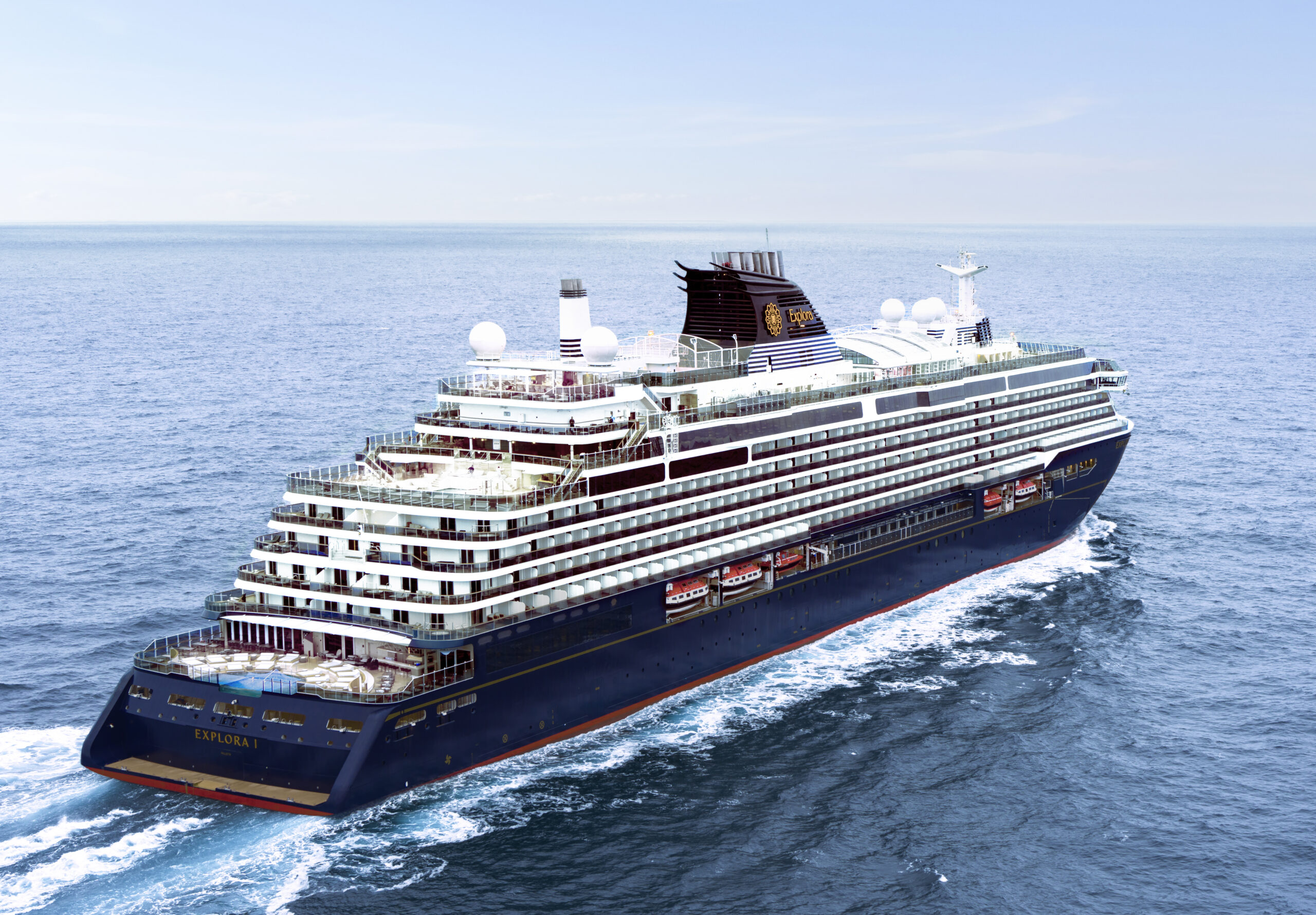
Elegant and graceful, Cunard’s Queen Victoria has an ambience evocative of the great liners of the past.
Modern features combined with traditional and elegant décor are
reminiscent of the golden age of cruising. We particularly like the
excellent Grills accommodation which offers additional space and
access to the exclusive Queens Grill and Princess Grill
restaurants, along with dedicated lounges and deck areas.
One of the world's great cities, Rome continues to dazzle and delight visitors with a potent mix of architectural marvels, continent-defining history and buzzing nightlife. As the saying goes, the city wasn't built in a day, and if you want to make the most of Rome you'll need to spend at least a couple of nights here. The Colosseum, the Vatican and the Forum are among the big ticket items, with the crowds to match, though in truth you will find history around almost every corner.
Rugged Kefalonia is the largest of the Ionian islands, and remains unspoilt by tourism despite earning fame as the setting for ‘Captain Corelli’s Mandolin’. The island rewards exploration, with some splendid beaches and lovely little villages, and the vineyards here produce some excellent wines.
Corfu, known as Kerkyra in Greek, is a beautiful island of verdant hills and rocky coves, and away from the more crowded resorts it remains a sleepy and idyllic place. Don’t miss the picturesque Venetian architecture of Corfu Town, a UNESCO World Heritage Site.
Kotor sits at the head of a beautiful, fjord-like bay, hemmed in by glowering mountains. The compact, walled old town is Montenegro’s star attraction, a warren of little alleyways and shady squares that is often described as a ‘mini Dubrovnik’.
Croatia’s second city enjoys a dramatic setting, hugging a sweeping bay against a backdrop of sheer grey mountains. Split's labyrinthine old town is contained within the remarkable Roman ruins of Diocletian’s Palace, a UNESCO World Heritage Site, and spills out onto the buzzing seafront Riva promenade.
Almost encircled by the territory of neighbouring Slovenia, the Adriatic port of Trieste has always stood slightly apart from the rest of Italy, and the city’s former status as a free port under Austrian rule is reflected in the handsome Habsburg architecture.
Located on the quieter northern stretch of Croatia’s Dalmatian coast, the walled port city of Zadar is an intriguing blend of old and new, where Roman ruins and psychedelic modern art installations sit alongside one another.
We never fail to be moved when we see the terracotta roofs and honey-golden walls of Dubrovnik, and a stroll around the perfectly preserved old town is a highlight of any visit to the Dalmatian coast. Make sure you take the time to walk around the walls and soak up the marvellous sea views.
Malta’s tiny capital, established by the Knights of St John, packs in an awful lot of history considering its diminutive size. The atmospheric old streets, bathed in Mediterranean sunshine, are full of attractive honey-golden buildings, along with an impressive selection of bars and restaurants.
The Aeolian island of Stromboli, just to the north of Sicily, is famous for being one of the most active volcanoes in the world. There are three active craters at the top of the 3,000-foot cone, and the volcano has been erupting more or less continuously for at least 2,000 years.
The UNESCO World Heritage-listed centre of Naples rewards exploration, and in addition to the many cultural treasures waiting to be unearthed Neapolitans are rightly proud of their food; this is where you’ll find the best pizza in Italy. The city also acts as a gateway to the fascinating remains of Pompeii and Herculaneum, and the beautiful Amalfi coast.
One of the world’s great cities, Rome continues to dazzle and delight visitors with a potent mix of architectural marvels, continent-defining history and buzzing nightlife. The Colosseum, the Vatican and the Forum are among the big ticket items, with the crowds to match, though in truth you will find history around almost every corner.
The rumbustious port of Marseille often gets a bad press, but the city has been transformed in recent years, with a host of new cultural attractions. The vibrant Vieux Port remains at the heart of life in Marseille, however, and is the best place to begin your exploration of the city’s many historic sights.
Nice enjoys a marvellous setting on one of the most glorious stretches of the Côte d’Azur, the sweeping Bay of Angels, so it’s no wonder that tourists have been flocking here since the 19th century.
Genoa has a legendary seafaring heritage, and was once a powerful maritime republic. However, the city’s most famous son, Christopher Columbus, was spurned by the Genoese elite when he came looking for funds for his expedition, and his discoveries for the Spanish Crown ironically played no small part in Genoa’s downfall.
La Spezia is a busy port and Italy’s most important naval base, on the Ligurian coast to the south east of Genoa. The town itself has a certain authentic charm and an atmospheric old town, though you’ll most likely just be passing through en route to the beautiful villages of the nearby Cinque Terre.
One of the world’s great cities, Rome continues to dazzle and delight visitors with a potent mix of architectural marvels, continent-defining history and buzzing nightlife. The Colosseum, the Vatican and the Forum are among the big ticket items, with the crowds to match, though in truth you will find history around almost every corner.