From Paris to Prague · Europe (River) · 13 nights
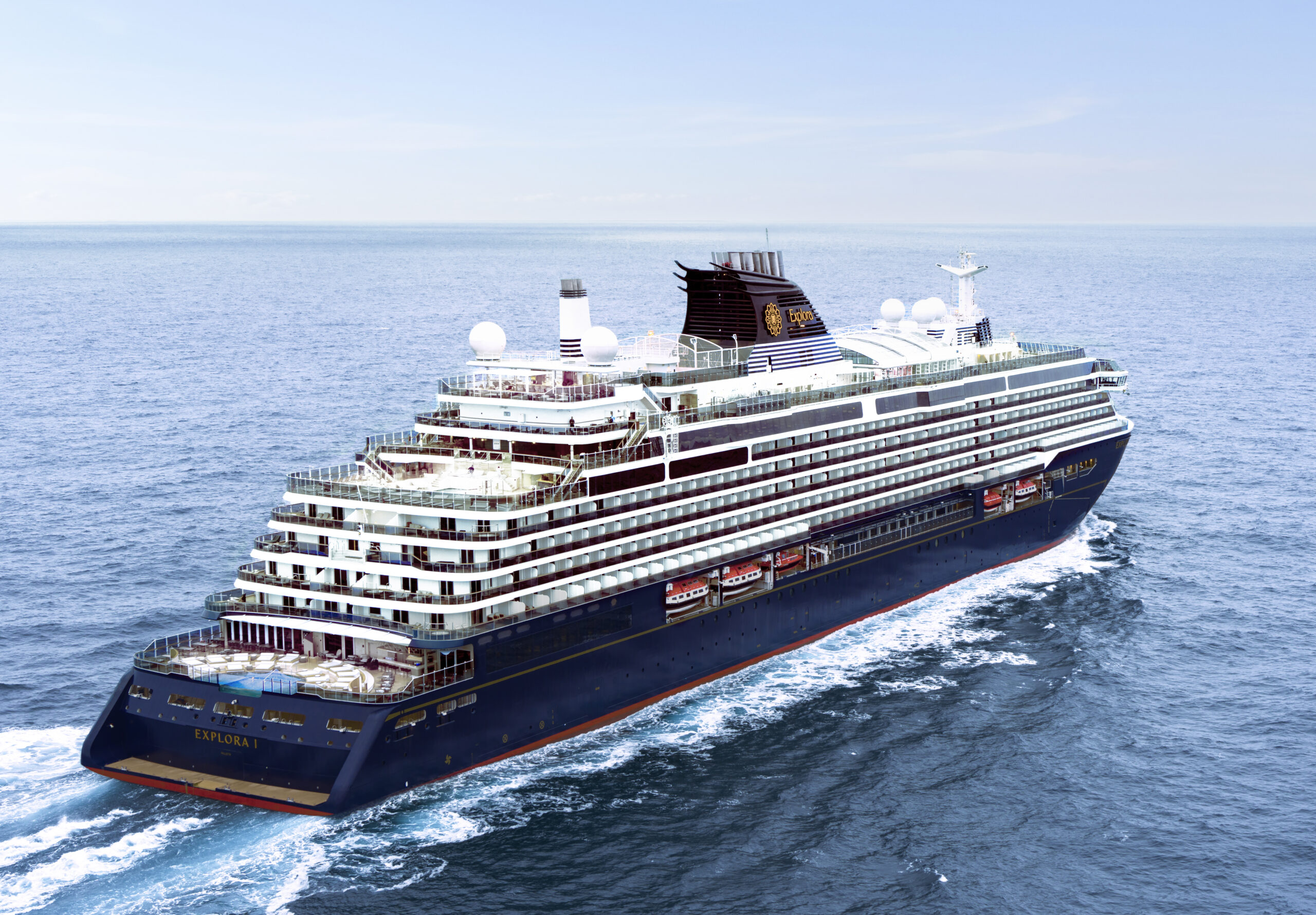
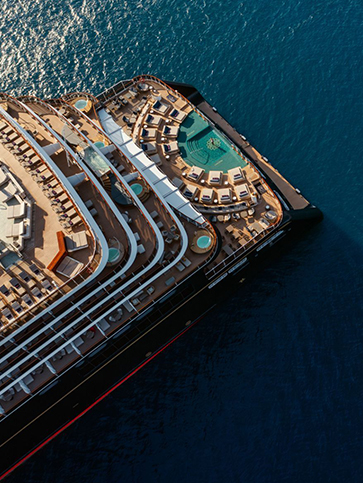
Tauck’s most modern design offers one of the highest space per guest ratios of all European river vessels.
Rich woods are complimented by muted tones, giving these ships
an airy and luxurious feel. The alternative restaurant with outside
seating at the rear is an idyllic place for a relaxed lunch as you
cruise to your next call and the regional cuisine served in the
Dining Room is excellent.
Paris is a joyful expression of all that is glorious about France, a city of rarified tastes, romantic riverside walks and the occasional rather rude waiter. Although the sights will be familiar even to first-time visitors, this does nothing to lessen their impact; a word like 'iconic' doesn't quite do justice to that first glimpse of Gustave Eiffel's famous tower looming over the Seine. Culture vultures will be in seventh heaven, with a plethora of galleries and museums housing some of the finest art collections in the world, and the restaurant scene is absolutely first class.
Tiny Luxembourg's even tinier capital city enjoys a spectacular setting, perched on a dramatic bluff where the Pétrusse and Alzette rivers meet. The UNESCO-listed old town is an unexpected joy to explore, and a sizeable population of foreign workers means that the city is also a very cosmopolitan place.
Trier is Germany’s oldest city, founded by the Romans around 16 BC and home to no less than nine UNESCO World Heritage Sites. Highlights include the Cathedral of St Peter, the Church of Our Lady and countless Roman ruins, and Trier was also the birthplace of Karl Marx, whose childhood home is now a museum.
Koblenz was founded by the Romans, who valued the city’s strategically important location where the Rhine and Moselle rivers meet. Rebuilt from the rubble of the Second World War, modern Koblenz has a pleasant and relaxed atmosphere, and serves as a gateway to the Romantic Rhine.
The pretty little town of Rüdesheim, situated on a bend in the Rhine surrounded by vineyards, is a popular destination for travellers looking for a slice of quintessentially German village life. The Drosselgasse, a narrow cobbled lane flanked by old timber frame buildings, is particularly atmospheric.
Frankfurt is the financial heart of Germany, a forest of silver skyscrapers that’s home to both the German and European Central Banks. This focus on commerce has led some to dismiss the city as a dull, soulless sort of place, but in fact Frankfurt buzzes with a real cultural vibrancy.
The handsome town of Würzburg, situated on the river Main between Nuremberg and Frankfurt, was ruled for centuries by a succession of powerful prince-bishops. Although much of the city was destroyed during the Second World War, the majestic 18th century Residenz palace stands as a testament to the wealth of the bishopric.
Nuremberg, Bavaria’s second city, first pops up in the history books in 1050 as a stronghold of the Franks, and later became the unofficial capital of the Holy Roman Empire. Nowadays the city is a tourist magnet thanks to the beautifully restored old town, Christmas markets and excellent beer.
Prague, the captivating Czech capital, is arguably Eastern Europe’s biggest tourism success story, attracting visitors from far and wide with its handsome architecture, cosmopolitan outlook and truly excellent beer.