From Southampton to Copenhagen · Northern Europe · 14 nights
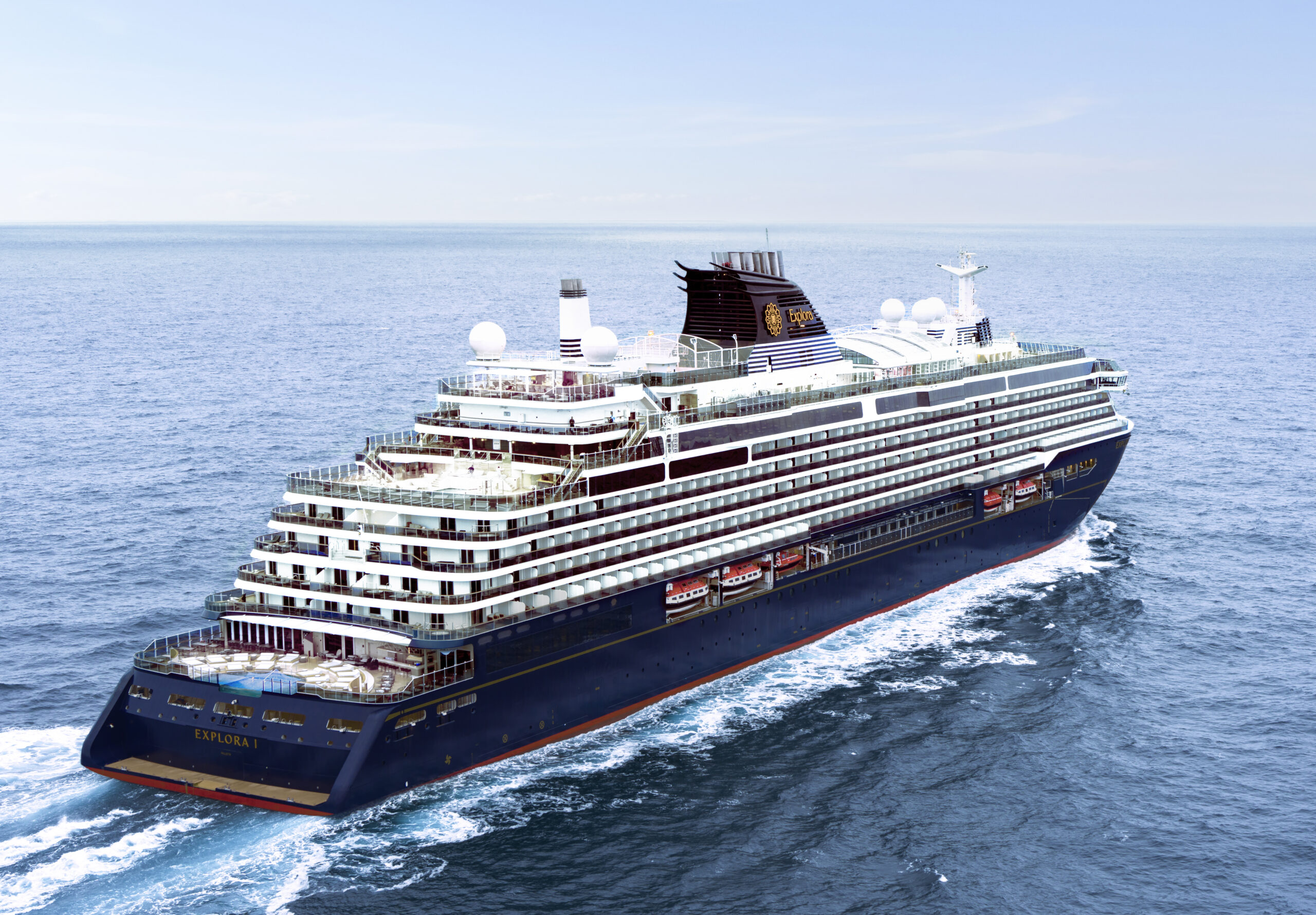
Purpose built for Oceania and bursting with style, sister ships Marina & Riviera are the perfect combination: small enough to be friendly and large enough to offer great facilities.
Above all, we love the fact that these ships are packed full of
fabulous stuff – loads of amazing dining options, a collection of
amazing artworks, wonderful learning opportunities and great
accommodation. All of this is combined with the Oceania signatures:
well-designed port intensive itineraries, great food, and a relaxed
ambience.
Southampton is the UK's leading port. Bustling modern cruise terminals, as well as wharfs and commercial harbours, line the waterfront, whilst the city itself is a fascinating mix of ancient and modern, with a picturesque old town, the original city walls still standing, and super-modern shopping centres and office complexes. On all corners you will see tributes to the city's rich history and maritime heritage. Henry V marched his troops through the Westgate on his way to the battle of Agincourt, The Mayflower sailed from here with a cargo of settlers to the New World, and the Titanic started her fateful voyage here.
The 1998 Good Friday Agreement was a watershed moment for Northern Ireland, and its rejuvenated capital is enjoying a surge in popularity. The new Titanic Belfast museum is the star attraction, while the city centre boasts some handsome Victorian architecture and a lively pub scene.
Killybegs is a bustling fishing port on the Donegal coast, and you’ll see both local and international vessels filling the harbour. The village has some nice pubs worth visiting, and the surrounding countryside is typified by beautiful coastal scenery such as the dramatic Slieve League cliffs.
Situated on a natural harbour on the east coast of the Isle of Lewis, Stornoway is the largest town in the Outer Hebrides. The island is one of the last major strongholds of the Gaelic language, and is home to fascinating Neolithic sites such as the mysterious standing stones at Callanish.
Lerwick is the only town of any size in the Shetland islands, and originally grew up around the herring trade. Highlights include the charming 18th century architecture along the waterfront and the informative Shetland Museum, which provides an excellent introduction to the history and culture of the islands.
The little town of Måløy is a major fishing port, on the sheltered eastern side of Vågsøy island. Nearby sights include the Kannesteinen rock, sculpted by the sea into a bizarre mushroom-like shape, while further afield is the Jostedalsbreen National Park, home to continental Europe’s largest glacier.
When Ålesund was destroyed by fire in 1904, the German Kaiser Wilhelm II agreed to foot the bill to rebuild it. The result was the stunning Art Nouveau architecture that you see today, which blends elements of the German 'Jugendstil' with Viking flourishes.
Skjolden sits at the head of the Sognefjord, the largest fjord in Norway and the second longest in the world. This tiny village is a slice of authentic Norway, with little in the way of souvenir shops; the main attraction is the beautiful, unspoilt mountain scenery.
The Nordfjord is one of Norway’s longest fjords, with more than 60 miles of towering mountains, gushing waterfalls and glittering glaciers. This part of Norway is a region of superlatives, home to both Europe’s deepest lake, Hornindalsvatnet, and mainland Europe’s largest glacier, the spectacular Jostedalsbreen.
Gothenburg, or Goeteborg locally, is Sweden’s laid back second city, a delightful mix of cobbled streets, neoclassical architecture and picturesque canals. The old town is full of history, with some interesting museums, and the thriving arts scene has helped to revitalise the city’s previously run-down industrial districts.
Wonderful Copenhagen is the perfect city to explore on foot, by bicycle or by water. Visit the bustling wharf at Nyhavn, enjoy the palaces, galleries and museums, wander through the amazing Tivoli Gardens, and if you have time, make the most of Copenhagen’s gastronomic revolution.